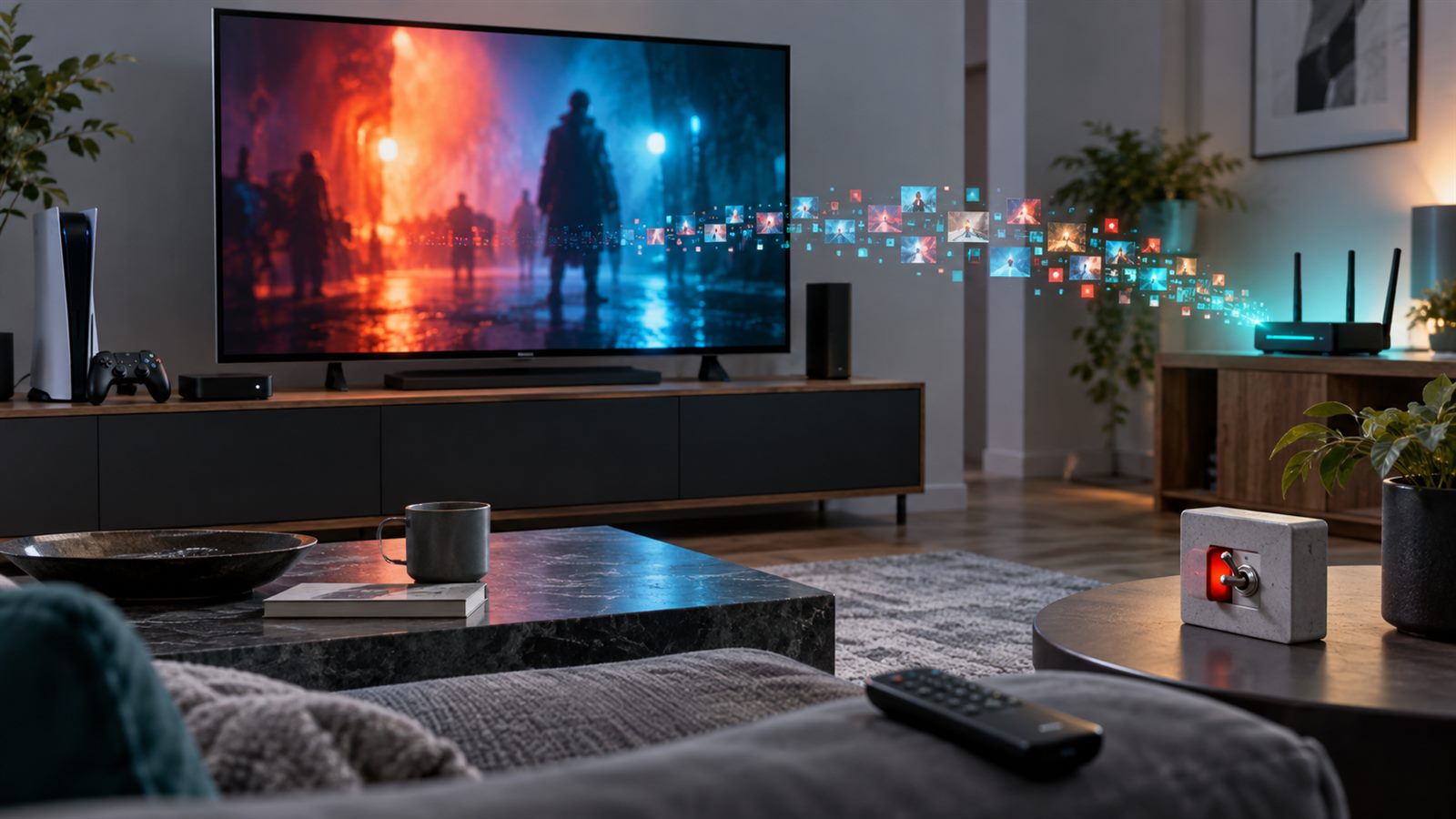
A smart TV can know more about your viewing than the app you opened. Even when a movie comes from a cable box or a game console connected through HDMI, the television may be able to identify what appears on its screen. The feature behind this is automatic content recognition, or ACR. It can power recommendations and program discovery, but it also raises a practical question: which viewing data is collected, and what does turning ACR off actually change?
The answer depends on the television, market, and settings a household accepted. ACR is not a synonym for every form of TV tracking, and it should not be confused with an app’s own viewing history. Understanding those boundaries makes a privacy decision more useful than simply toggling an option with an unfamiliar name.
How a TV can recognize a picture without recording the whole program
ACR compares a compact signature of displayed content with a reference catalog. Roku’s support explanation says its system creates an encrypted fingerprint from a sample of screen pixels and matches it against a catalog of content, games, and ads. If a title is not in that catalog, the system may not identify it. Samsung likewise describes generating signatures when its optional Viewing Information Services feature is enabled.
That distinction matters. A signature is not the same thing as uploading a complete video recording. It can still reveal what someone watched, when, and for how long if a match is made. Samsung’s ACR support page says information associated with its feature may include viewing history, a personalized service identifier, and IP address. The details of collection and retention are product-specific, so a household should read the notice shown on its own TV rather than assume that one company’s design describes all others.
HDMI inputs are part of the privacy picture
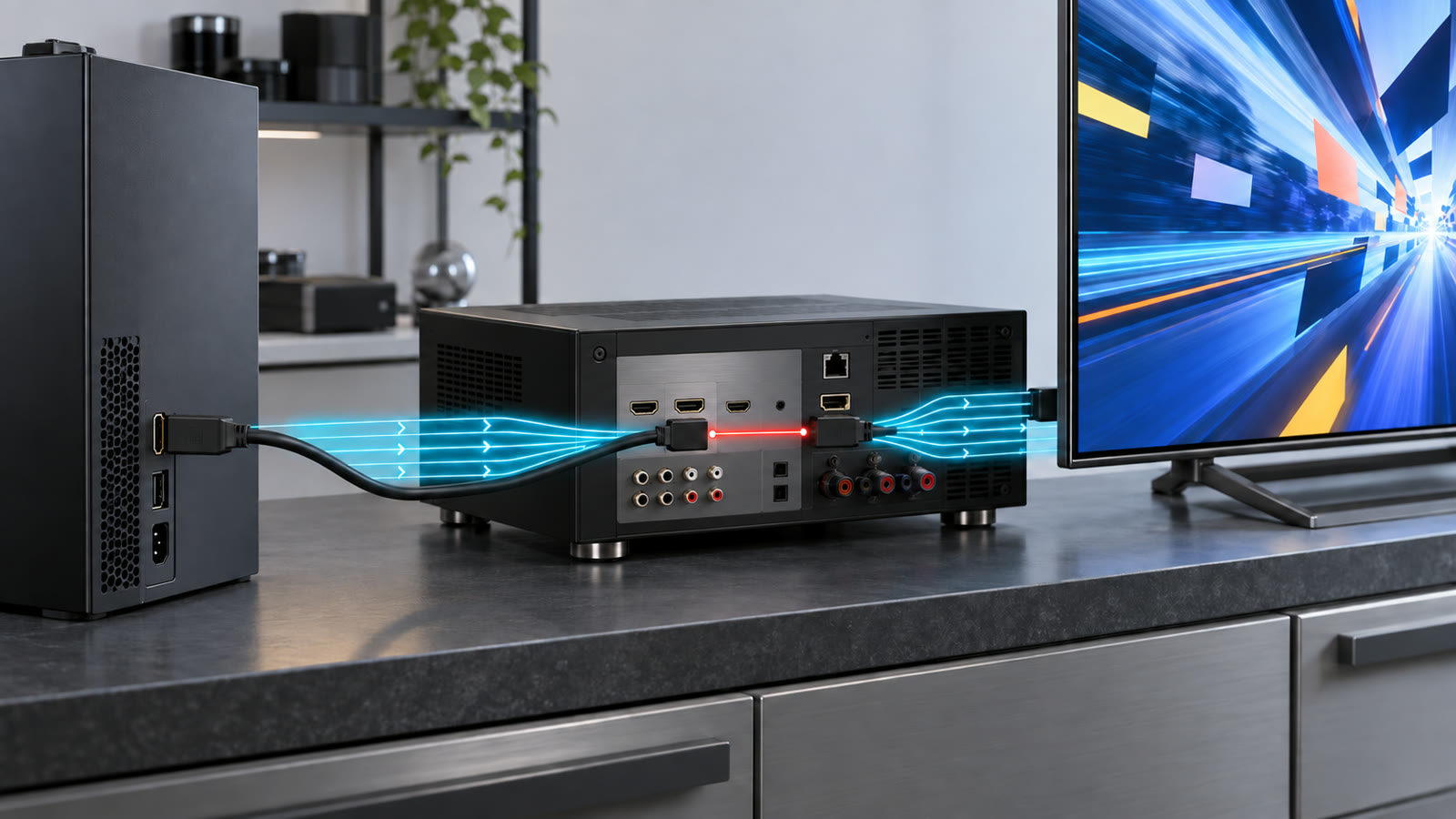
A streaming service already knows what you select within its app. ACR addresses a different visibility problem: the television can potentially recognize material displayed from an antenna, set-top box, disc player, or game console. Roku’s current privacy policy explicitly discusses optional ACR for content accessed through a TV antenna and connected devices, including game consoles and media players. It also says the data collected can vary by device and by when Smart TV Experience was enabled.
A 2017 FTC enforcement case involving Vizio illustrates why the distinction is significant: the agency alleged that viewing data was gathered from multiple sources shown on televisions without adequate disclosure and consent. That historical case should not be read as a description of every TV sold today. It does show why meaningful privacy choices must cover the television’s own recognition layer, not only individual apps.
Why companies offer the feature
Manufacturers describe several uses. ACR can help a TV identify a program, find related episodes, offer a way to start a show from the beginning, or tailor recommendations. Roku’s “More Ways to Watch” is one concrete example; its support page says the feature requires ACR and is currently supported only in the United States. The same recognition data may also support measurement and advertising uses under applicable agreements.
LG’s recent statement on smart-TV privacy says ACR-related information may, depending on market and user choices, be shared with LG Ad Solutions for audience analysis and, where separately consented to, advertising-related purposes. The scope of a particular setting cannot be inferred from a feature name alone. Read whether a consent screen covers recommendations, measurement, personalized ads, or data sharing, and whether those choices are separate.
Turning off ACR does not make a connected TV invisible
This is the most important limitation. Roku’s privacy policy says disabling ACR stops its use on the device, but Roku can still receive information about streaming activity and interactions through other methods. The TV platform, installed apps, advertising services, and a connected streaming device may each have their own account and telemetry. ACR is one data pathway, not the whole privacy stack.
Turning a setting off also does not necessarily erase information previously collected. Roku’s support page says data collected while its ACR feature was enabled is retained after a user disables it. Deletion or access requests, where available, are separate from opting out of future collection. Procedures and rights vary by company and location, so the product’s current privacy controls and policy are the right starting points.
Local processing can reduce some data transfers, but it does not by itself explain what a service retains. The same distinction comes up in on-device AI privacy claims: where a computation happens and what information is subsequently shared are separate questions.
Connected-device privacy has this layered character elsewhere in the home. Our guide to Matter smart-home setup explains why a common device standard does not erase differences among the ecosystems that manage those devices. A television’s HDMI connection is similarly just one piece of a wider service relationship.
A practical privacy check for a new or existing TV
Start on the television itself, not only in the streaming app. Open its privacy or terms-and-services area and look for labels such as Automatic Content Recognition, Viewing Information Services, Smart TV Experience, interest-based ads, or viewing-data sharing. The exact names and menu paths differ among brands, software versions, and regions. Samsung says its optional ACR choice can be changed in TV settings; Roku documents a path through Settings, Privacy, and Smart TV Experience for supported devices.
Next, separate the choices. You may be able to decline ACR while keeping core television functions, but another setting may govern ad personalization or sharing. LG says essential services can remain available without optional data-driven features in some markets. Do not assume that disabling personalized ads also disables recognition, or that opting out of recognition closes every app-level data channel.
Finally, review the accounts and apps connected to the TV. Check each streaming service’s privacy controls and whether a separately connected box or console has its own analytics settings. If you care about a past collection period, look for the provider’s access or deletion process instead of relying only on a forward-looking toggle. Keep a note of which controls you changed; software updates and device resets can make the menu worth revisiting.
Protecting those accounts is a separate task. A stronger sign-in method can help prevent account takeover, but it cannot replace a viewing-data choice; our passkey and account-recovery guide explains that security boundary.
What ACR controls cannot promise
A vendor’s description of opt-in behavior is not a hands-on audit of every television or every region. We have not tested the data flows of specific models. Some functionality may differ by country, app, firmware, or whether the TV was configured before a policy change. Connected streaming services can still observe activity within their own apps even when the TV’s ACR option is off.
Nor does this imply that all personalization is harmful. A household may value program discovery and choose to share data for it. The important test is whether the choice is understandable and whether the television distinguishes useful features from broader measurement or advertising uses. Privacy decisions are stronger when a product makes those distinctions visible and reversible.
What to watch next
Watch for clearer on-device explanations that show exactly which inputs and services a viewing-data setting covers, along with plain retention and deletion controls. More independent testing of consent flows and network behavior would help consumers compare products on evidence rather than vague labels. Manufacturers’ policies may change, so a current disclosure is more useful than an old screenshot of a menu.
The practical takeaway is simple: ACR can recognize content appearing on a TV, including some external inputs, but disabling it addresses only that recognition pathway. A full privacy check also covers platform services, streaming apps, advertising preferences, and previously stored data.
Primary and authoritative sources
- Samsung: Smart TV Automatic Content Recognition
- Roku Support: More Ways to Watch and ACR settings
- Roku Privacy Policy
- LG: Understanding Privacy on LG Smart TVs
- US Federal Trade Commission: Vizio smart-TV viewing-data settlement
Featured image is an AI-generated editorial illustration, not a photograph of a specific television or an actual data-flow test.