
Robotics has always been easy to imagine and hard to deploy. A short demo can look impressive, but a robot that works all day around people, dust, uneven lighting, changing objects, and unexpected problems is much harder to build.
The field is now entering a more practical phase. Instead of asking whether a robot can perform a single trick, companies are asking whether it can complete useful work repeatedly, safely, and at a cost that makes sense.
Where Robots Are Already Useful
Warehouses, factories, hospitals, agriculture, logistics, and inspection are some of the strongest early markets. These environments often contain repetitive tasks, measurable outcomes, and labor shortages. A robot does not need to do everything a human can do. It only needs to handle a defined workflow well enough to create value.
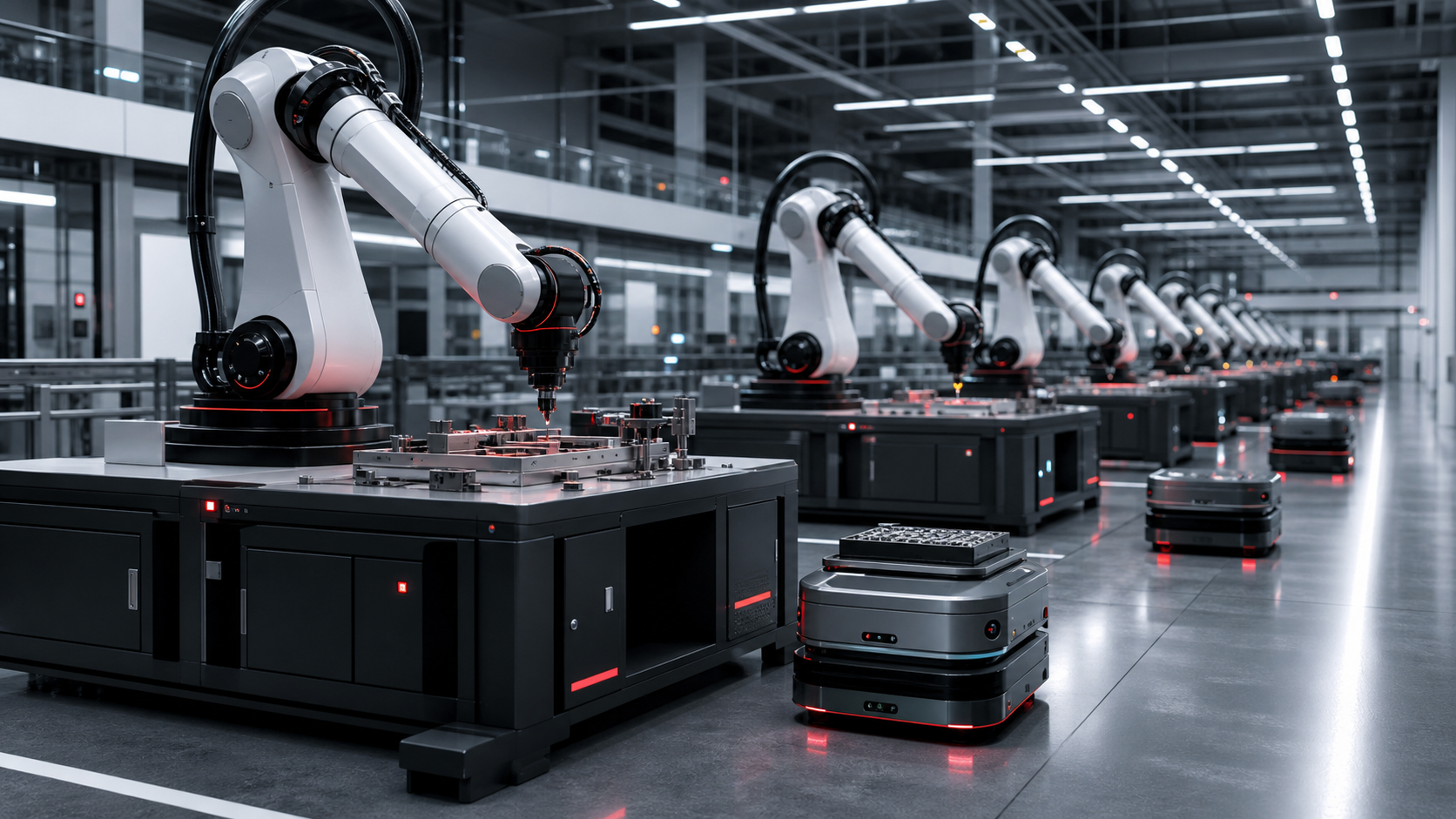
Mobile robots can move goods through warehouses. Robotic arms can sort, pick, weld, inspect, and package. Drones can scan infrastructure. Surgical and medical robots can assist trained professionals. Agricultural robots can monitor fields and support harvesting tasks.
Why AI Helps
Modern AI gives robots better perception, language understanding, and planning. Cameras, depth sensors, tactile sensors, and machine learning models help robots understand objects and environments. Language models can make robot instructions more flexible, although safety-critical control still requires careful engineering.
The long-term dream is a general-purpose robot. The near-term business is more focused: reliable robots for specific jobs.
What Still Limits Adoption
- Hardware cost and maintenance.
- Battery life and physical durability.
- Safety certification and insurance.
- Integration with existing operations.
- Human trust and training.
Robotics progress is best judged by boring reliability. When robots quietly complete ordinary work every day, the technology has moved beyond spectacle and into infrastructure.
Leave a Reply