Frontier Technology Portal Independent technology analysis / Updated daily
Frontier Technology Portal logo
FRONTIER Technology Portal for the next wave of invention

Category: Biotechnology

Synthetic biology, AI drug discovery, diagnostics, genomics, and bio-manufacturing.

  • Gene-Editing Platforms Can Reuse Evidence, but Every Therapy Still Needs Proof

    Gene-Editing Platforms Can Reuse Evidence, but Every Therapy Still Needs Proof

    Genome editing is often described one therapy at a time: a molecular tool is aimed at a disease-causing sequence, cells are edited, and the resulting treatment enters testing. That framing misses an important engineering question. If several therapies use the same editor, delivery system, manufacturing process, and analytical methods, how much evidence should developers have to recreate from the beginning?

    The US Food and Drug Administration is exploring a more reusable approach. A June 2026 draft guidance describes how developers of human gene therapies that edit somatic cells may be able to rely on public knowledge and knowledge generated across a technology platform. The idea could reduce redundant work, especially for rare diseases, but it does not turn related therapies into identical products or remove the need for product-specific proof.

    Prior Knowledge Is More Than a Published Paper

    In the FDA’s draft guidance on leveraging prior knowledge, the term includes public knowledge and platform knowledge. Public knowledge can come from scientific literature, regulatory standards, established methods, and other information that is available beyond one sponsor. Platform knowledge is built through repeated work with related products that share meaningful technical elements.

    For a genome-editing program, those shared elements could include an editing enzyme, a guide-RNA design and production process, a viral or nonviral delivery system, a cell-processing workflow, release tests, or an analytical method. The important word is shared. A familiar brand name for an editor is not enough if the actual materials, process, dose, route, or target tissue are different.

    This approach extends the platform logic behind one-patient and very small-population genome-editing programs. A repeatable technical foundation could make it more practical to develop closely related treatments without pretending that each new target starts from zero.

    Why Reuse Matters Most for Rare Diseases

    Traditional drug development spreads fixed costs across a potentially large patient population. A therapy for an ultra-rare genetic condition may have only a handful of eligible patients, while still requiring sophisticated manufacturing, testing, documentation, and long-term follow-up. Repeating every platform-level study for every target can consume time, patient samples, laboratory animals, and money without always adding proportionate knowledge.

    Reusing sound evidence can focus new work on what actually changed. If a delivery system and manufacturing process are well characterized, a developer may be able to spend more effort on the new guide sequence, target biology, off-target profile, dose, and clinical context. That is an efficiency argument, not a lower safety standard.

    The FDA page explicitly labels the June document as draft guidance that is not for implementation and contains nonbinding recommendations. It describes the agency’s current thinking, not an automatic entitlement to skip studies. Developers still need a scientific justification that connects earlier evidence to the new product.

    Manufacturing Knowledge May Be the Most Reusable Layer

    Genome-editing therapies are defined partly by how they are made. Raw-material controls, equipment, process steps, in-process tests, release specifications, storage, and shipping can all influence the final product. For cell therapies, the starting cells and handling time add more variability. For in-vivo therapies, the delivery particle or vector may strongly shape where the editing machinery goes.

    When multiple products use a stable process, developers can accumulate evidence about process capability, contamination controls, analytical-method performance, and the relationship between process parameters and product quality. The FDA’s final May 2026 CMC flexibility guidance explains that chemistry, manufacturing, and controls requirements can be applied flexibly to cell and gene therapies while still meeting statutory standards for safety, purity, and potency.

    Flexibility does not mean that manufacturing is optional. It means the evidence package can be tailored to the product, disease, development stage, and available knowledge. A validated test from one program may be useful in another, but a changed raw material, site, scale, or process can require comparability work to show that the product remains meaningfully consistent.

    A New Genetic Target Can Change the Risk

    Two therapies can share an editor and delivery vehicle while aiming at different DNA sequences. That change can alter intended biological effects, off-target sites, consequences of an unintended edit, and the types of cells that must be monitored. A guide that works accurately in one sequence context does not prove that another guide will behave the same way.

    The FDA’s final 2024 genome-editing gene-therapy guidance covers product design, manufacturing and testing, nonclinical safety, and clinical-trial design. Those product-level responsibilities remain relevant even when prior knowledge is used.

    Off-target assessment is a clear example. Methods and bioinformatics pipelines can be reused, but the candidate off-target sites and biological consequences are sequence-specific. The same distinction is central to our explanation of next-generation sequencing for genome-editing safety: a platform can standardize how researchers look, not predetermine what they will find.

    Clinical Evidence Transfers Less Easily Than a Lab Method

    Earlier clinical experience may help identify delivery reactions, class effects, practical dosing issues, or follow-up needs. Yet disease severity, patient age, organ function, existing treatments, target-cell biology, and acceptable risk can differ substantially between programs. A result in one condition cannot simply be copied into another indication.

    Developers need to state exactly which observation is transferable and why. For example, experience may support the operation of a collection-and-manufacturing workflow while offering little evidence about whether editing a new gene will improve a patient’s condition. Platform evidence is strongest when the shared causal link is clear.

    This also prevents the platform label from becoming marketing shorthand. A collection of therapies built with related tools is not necessarily a clinically validated platform. Reviewers need traceable data, defined versions, and a record of where the products are genuinely comparable.

    Data Architecture Becomes Part of the Platform

    Reusable knowledge must be organized so that teams can identify the material, process, software, assay version, and patient context behind each result. A result without provenance can create false confidence. Changes to a guide-design algorithm, sequencing pipeline, cell culture, or release test need version control and an assessment of what earlier evidence still applies.

    That makes data governance as important as laboratory automation. Sponsors need structured links between product families, deviations, validation studies, stability records, nonclinical findings, and clinical observations. Regulators must be able to follow the reasoning without reconstructing it from disconnected files.

    The challenge resembles the manufacturing workflow for personalized cancer vaccines. Speed comes from a controlled template, but each patient’s input and final product still require identity, quality, and release checks.

    What This Could Change

    A credible platform approach could shorten some development cycles, reduce duplicated experiments, improve consistency across programs, and make lessons from early products useful to later ones. It may be particularly valuable when several rare diseases can be addressed by changing one defined component inside an otherwise stable system.

    It will not make every target economical, eliminate manufacturing capacity limits, or guarantee clinical benefit. It also cannot substitute for long-term monitoring where permanent edits or persistent delivery systems create risks that may emerge slowly.

    What to Watch Next

    Watch how the FDA revises the draft after public feedback and how developers define the boundary of a platform. Strong examples will identify which components are fixed, which can change, which prior studies are being relied on, and what new tests close the remaining evidence gaps.

    Also watch for better shared data standards and regulatory case studies. Reusable evidence can be a powerful engineering tool, but only when similarity is demonstrated rather than assumed. The goal is not to prove less. It is to stop repeating settled work so that new risk receives more attention.

    Sources and Further Reading

  • Personalized Cancer Vaccines Turn Tumor Sequencing Into a Manufacturing Workflow

    Personalized Cancer Vaccines Turn Tumor Sequencing Into a Manufacturing Workflow

    Personalized cancer vaccines are not preventive shots made in identical batches for millions of people. They are experimental treatments designed from the mutations in one patient’s tumor. A sample is sequenced, candidate targets are selected, a vaccine is manufactured, and clinicians then measure whether the immune system learns to recognize those tumor-specific signals.

    Recent studies have strengthened the evidence that this pipeline can generate durable immune responses. They have not proved that personalized vaccines reliably prevent cancer recurrence. The important frontier is therefore both biological and operational: researchers must identify the right targets, manufacture a unique product fast enough for treatment, combine it with other care, and test it in larger controlled trials.

    The Vaccine Starts With a Tumor’s Mutation List

    Cancer cells accumulate mutations. Some mutations alter proteins in ways that create neoantigens, fragments the immune system may recognize as foreign. Because many neoantigens are unique to one tumor, a personalized vaccine attempts to teach T cells to attack cells displaying a selected set of those targets.

    The workflow usually begins with tumor and normal samples. Researchers compare their DNA, examine which mutated genes are expressed as RNA, and predict which altered protein fragments can be presented by that patient’s human leukocyte antigen molecules. Those predictions are filtered into a shortlist that can be encoded in mRNA or manufactured as peptides.

    This resembles the broader shift toward one-patient genetic medicines, but the intervention is different. A cancer vaccine does not edit the tumor’s genome. It presents selected targets to the immune system. The quality of sequencing and bioinformatics still matters because a missed mutation, incorrect expression call, or weak target prediction can shape the final product.

    A 2026 Study Found Long-Lived Immune Responses

    A 2026 open-access study in Nature followed 14 patients with triple-negative breast cancer who received individualized neoantigen mRNA vaccines after surgery and standard therapy. The researchers detected vaccine-induced T cell responses to multiple neoantigens in nearly all participants, and some responses remained functional for years. The paper reported that 11 participants remained relapse-free for periods extending up to six years after vaccination.

    Those observations are encouraging, but the design was a small, open-label phase 1 trial without a randomized control group. It was built primarily to assess feasibility, safety, and immune responses. It cannot establish how much the vaccine changed recurrence risk, especially because patients had already received other treatment.

    The study is valuable for a different reason: it showed that individualized manufacturing could work in a clinical setting and that vaccine-induced T cells could persist. It also documented possible routes of immune escape. A tumor may stop displaying a targeted antigen, reduce the cellular machinery that presents it, or recur from genetically distinct disease. A vaccine can teach immune cells what to look for, but the tumor can continue evolving.

    Manufacturing Speed Is Part of the Therapy

    In the Nature study, the average interval from receipt of the sample to release of the individualized vaccine was 69 days, with a reported range of 34 to 125 days. The trial was not designed to minimize turnaround time, yet the numbers show why production is clinically important. A patient may need treatment while sequencing, target selection, quality control, and manufacturing are still underway.

    Every personalized batch must meet standards for identity, purity, potency, and sterility. Software also becomes part of the production chain: sequence analysis, mutation calling, antigen prediction, and manufacturing records must be traceable. Improvements in sequencing quality and bioinformatics validation are therefore relevant beyond genome editing. The same disciplines help ensure that a customized vaccine matches the intended patient and targets.

    Scaling is not simply a matter of building a larger factory. Conventional vaccine manufacturing repeats one recipe. Personalized production must run many small, separate recipes without mixing data, materials, or records. Automation can shorten handoffs, but it also creates a need for validated software, reliable sample tracking, and clear responsibility when an algorithm changes a target list.

    Molecular Residual Disease May Offer a Useful Treatment Window

    Some trials are focusing on patients who have completed surgery and show no tumor on conventional imaging but still have circulating tumor DNA, often called molecular residual disease. An active National Cancer Institute trial listing describes a personalized peptide vaccine for several solid tumors in this setting. Its design uses up to 20 tumor-specific peptides and includes patients whose blood tests suggest remaining cancer material.

    This is an appealing window because the immune system may face fewer cancer cells than it would in advanced disease. It is still an experimental strategy. Circulating tumor DNA tests have different sensitivity across tumor types, and a positive result does not reveal every site or biological feature of remaining disease.

    The linked ClinicalTrials.gov record, updated in June 2026, also illustrates how these programs combine diagnostics, manufacturing, and treatment. Trial status and eventual results matter more than the existence of a listing. Registration means a study is planned or active; it does not mean the intervention is proven.

    Combination Therapy Complicates the Evidence

    Personalized vaccines are often studied with checkpoint inhibitors, chemotherapy, or other immune treatments. The logic is understandable. A vaccine can expand tumor-specific T cells, while a checkpoint inhibitor may reduce signals that suppress those cells. Chemotherapy or surgery may lower the amount of disease the immune system must control.

    The downside is interpretive. When several treatments are given together, a small early trial cannot easily separate their contributions. Immune response measurements are important, but a strong laboratory response is not automatically the same as longer survival or fewer recurrences. Larger randomized studies need clinically meaningful endpoints and follow-up long enough to capture late relapse.

    Target selection has similar uncertainty. Algorithms can rank neoantigens, but a technically strong prediction may not produce a useful immune response. This is one place where AI-assisted discovery still requires hard validation: computational speed does not remove the need for biological evidence.

    What to Watch Next

    The most informative milestones will be randomized results, not another small feasibility study. Watch whether personalized vaccines improve recurrence-free or overall survival when added to current care, which tumor types benefit, and whether biomarkers can identify likely responders before manufacturing begins.

    Operational measures also deserve attention: time from biopsy or surgery to dosing, the proportion of patients who receive a successfully manufactured product, batch failure rates, cost, and access outside major research centers. Researchers must also show how target-selection software is validated and how updates are controlled.

    Personalized cancer vaccines have moved beyond a purely theoretical idea. The evidence now supports durable immune activity in some patients and an expanding clinical-trial pipeline. The remaining question is much harder: whether a complex, patient-specific workflow can produce consistent clinical benefit at a scale health systems can actually deliver.

    Sources and Further Reading

  • Genome-Editing Safety Is Becoming a Sequencing and Bioinformatics Problem

    Genome-Editing Safety Is Becoming a Sequencing and Bioinformatics Problem

    Editing DNA is only the first technical challenge in a genome-editing therapy. Developers also need to show where editing occurred, whether unintended changes appeared elsewhere, and whether the intended target acquired unexpected rearrangements. As therapies become more precise and sometimes more individualized, safety assessment is increasingly a problem of sequencing, experimental design, and bioinformatics.

    In April 2026, the U.S. Food and Drug Administration issued draft guidance focused on next-generation sequencing, or NGS, methods used in nonclinical safety studies for human genome-editing products. The document is nonbinding and was released for comment, but it provides a useful view of the evidence regulators expect developers to consider before and during clinical development.

    Off-Target Editing Is Only One Risk

    A programmable editor is designed to change a selected DNA sequence. Similar sequences elsewhere in the genome can sometimes be edited unintentionally. Those are off-target changes. Their importance depends on the type of edit, its frequency, the affected cell population, and whether the altered region has a biological function.

    Safety assessment also needs to examine the intended site. Editing can produce small insertions or deletions, larger deletions, unexpected insertions, chromosomal rearrangements, or other changes that a narrow assay might miss. FDA’s draft guidance therefore discusses both off-target editing and loss of genome integrity rather than treating one list of predicted sites as the whole problem.

    Finding Candidate Sites and Measuring Them Are Different Jobs

    One group of methods discovers places in the genome that could be affected. Computational searches can find sequences similar to the intended target, while experimental assays can expose DNA or cells to an editor and identify cleavage or editing events. These methods generate candidate sites.

    A second stage measures whether those sites are edited in relevant samples and at what frequency. Targeted deep sequencing can examine many reads at selected locations. Whole-genome or other broad sequencing may reveal classes of changes outside a candidate list, although coverage, sensitivity, cost, and interpretation differ.

    No single method is automatically complete. A purely computational screen may miss biology that is not captured by sequence similarity. An experimental discovery assay may use a cell type or exposure condition that differs from the therapy. A targeted confirmation assay only sees the regions it was designed to inspect.

    The Biological Model Determines What the Data Mean

    Genome editing can be performed outside the body on collected cells and returned to a patient, or delivered directly into tissues. The relevant safety model depends on the product. Cell type, delivery system, editing duration, dose, donor template, and patient genetics can all influence the pattern of changes.

    A convenient laboratory cell line may be useful for method development but may not reproduce chromatin state or repair pathways in the therapeutic cell. Developers need to explain why a model is representative and where it is not. This is similar to the validation problem discussed in our overview of AI-assisted drug discovery: a technically impressive result has limited value if the evaluation system does not match the intended use.

    Sequencing Depth Does Not Equal Unlimited Sensitivity

    Reading a region many times can help detect a rare variant, but the practical limit also depends on sample size, DNA quality, amplification error, library preparation, sequencing error, and the analysis pipeline. A stated limit of detection should come from validation with known controls rather than from read depth alone.

    Rare events are especially difficult when only a small number of cells are available. If one potentially harmful edited cell is not sampled, no amount of computation can recover it. Conversely, an apparent low-frequency change may be a technical artifact or a naturally occurring variant. Replicates, positive and negative controls, orthogonal confirmation, and careful background comparison help separate signal from noise.

    Bioinformatics Is Part of the Assay

    NGS does not produce a direct answer. Software aligns reads to a reference, identifies variants, filters artifacts, estimates frequencies, and annotates possible biological relevance. Each step has parameters and assumptions. Different pipelines can produce different results from the same raw data.

    A credible study documents software versions, reference assemblies, thresholds, quality controls, and handling of ambiguous reads. It also validates the pipeline against samples containing known variants of relevant types and frequencies. Reproducibility includes code and configuration, not only the sequencing instrument.

    This need becomes more important for larger structural changes. Short-read sequencing can be strong for small variants but may struggle across repeats or complex rearrangements. Long-read sequencing, optical mapping, cytogenetic methods, or other assays may provide complementary evidence depending on the risk.

    Patient Diversity Complicates Reference Comparisons

    Human genomes differ naturally. A sequence near a target site may vary among patients, creating or removing potential off-target matches. A reference genome cannot represent every haplotype. For a therapy intended for a diverse population, developers need a strategy for evaluating common and clinically relevant variation.

    Individualized therapies make this more direct. The editor may be designed for one person’s variant, as described in our article on one-patient CRISPR development. FDA’s 2026 draft explicitly notes that its recommendations can apply to individualized products. A platform may reuse manufacturing and analytical knowledge, but the patient-specific guide and target still require a reasoned safety assessment.

    Results Need Biological Interpretation

    Not every detected edit has the same consequence. A change in a noncoding region may be harmless, regulatory, or simply poorly understood. A rare alteration in a cancer-related gene may deserve more attention than a more frequent change in a region with no known function. Frequency, cell type, persistence, and clonal expansion all matter.

    Bioinformatic annotation can prioritize findings, but it cannot prove that an unfamiliar variant is safe. Developers combine sequencing with functional assays, animal or cellular studies, product characterization, and clinical monitoring. The FDA’s January 2024 final guidance places these data within a broader framework covering product design, manufacturing, nonclinical studies, and clinical-trial planning.

    What the Draft Guidance Does Not Mean

    The document does not declare a universal sequencing panel or a single acceptable threshold for every therapy. It is draft guidance, not a final binding rule, and the appropriate study depends on the product and proposed clinical use. It also does not imply that sequencing can predict every long-term outcome.

    Ordinary consumer DNA tests are not substitutes for this work. Clinical genome-editing safety studies require product-specific samples, validated assays, and regulatory-quality documentation. The article is an explanation of the technology and regulatory direction, not medical advice.

    What to Watch Next

    Watch for the final form of FDA’s guidance, reference materials that help laboratories compare detection limits, better methods for large structural variants, and shared benchmarks for bioinformatics pipelines. Also watch how regulators handle prior knowledge when many individualized products use the same editing platform.

    More realistic laboratory models, including the organ-on-chip systems now entering regulatory workflows, may complement sequencing by showing how edited cells behave in a tissue-like context. The strongest safety package will connect molecular measurements with biological function rather than treating a clean sequencing table as the final answer.

    Sources and Further Reading

  • Organs-on-Chips Are Becoming Serious Tools for Drug Development

    Organs-on-Chips Are Becoming Serious Tools for Drug Development

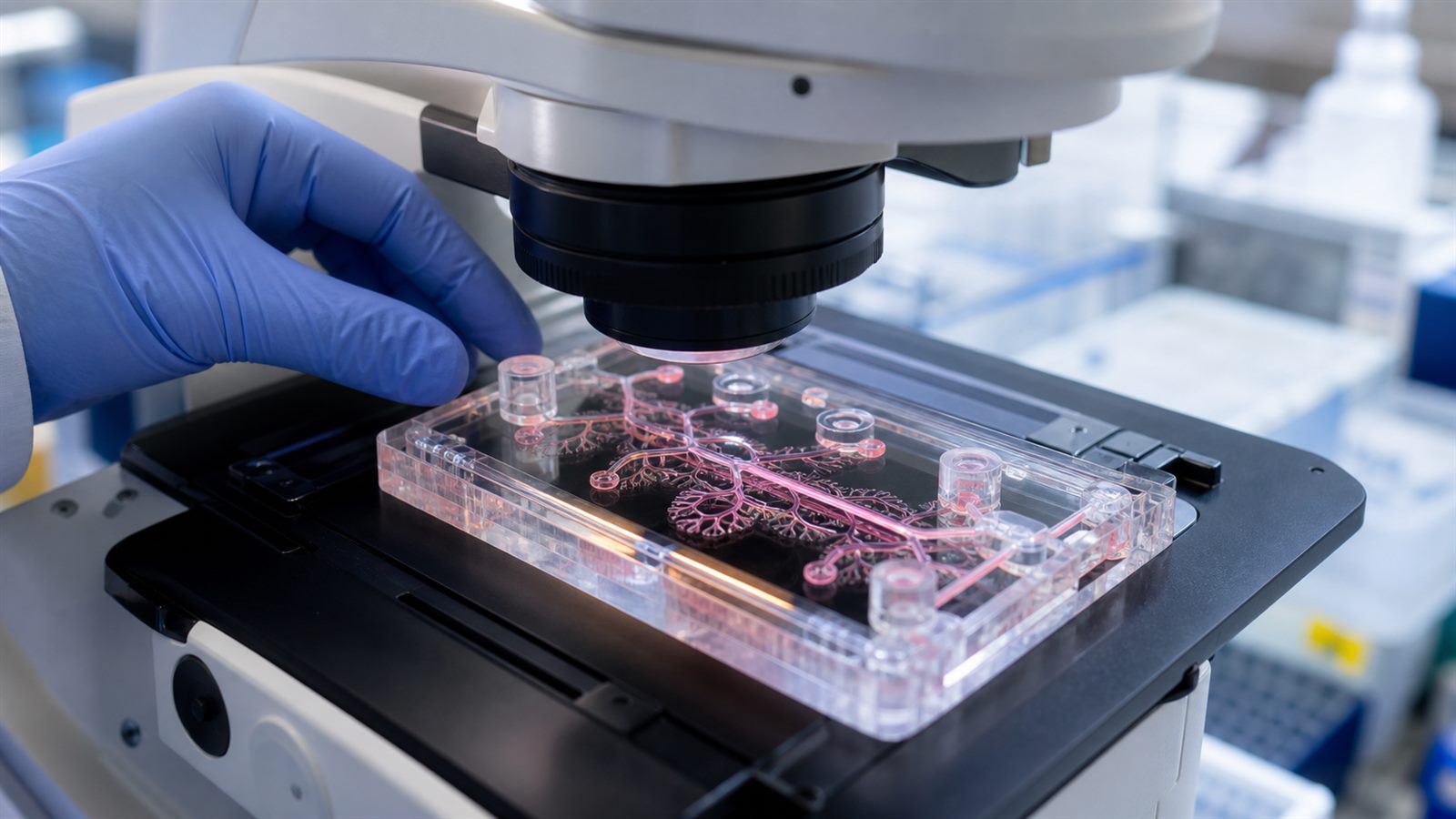
    An organ-on-a-chip is not a miniature replacement organ. It is a small engineered device that places living human cells in controlled channels, chambers, membranes, and fluid flows so researchers can reproduce selected features of an organ. A lung model might expose cells to air on one side and flowing medium on the other. A liver model may be designed to study metabolism and toxicity. A blood-brain barrier model focuses on how substances cross a protective interface.

    These systems, also called tissue chips or microphysiological systems, are moving from experimental curiosities toward drug-development tools. The shift is being driven by better cell biology, microfluidics, measurement, and a regulatory push for validated human-relevant testing methods. Their promise is substantial, but their value depends on defining exactly what each model can predict.

    What a Tissue Chip Recreates

    Traditional cell culture often grows a single cell type on a flat plastic surface. A tissue chip can add three-dimensional structure, multiple cell types, mechanical forces, chemical gradients, and continuous flow. Those features can influence how cells mature, communicate, and respond to a drug.

    The chip does not need to copy every feature of an organ to be useful. It may model one decision-relevant function: whether a compound damages liver cells, crosses a barrier, triggers inflammation, or changes the rhythm of heart tissue. The intended purpose is called the context of use, and it determines what evidence the model needs.

    Organoids are related but not identical. They are three-dimensional cell structures that can self-organize into features resembling a tissue. Organ-on-chip systems add an engineered environment around cells and may incorporate an organoid. Both belong to the wider set of new approach methodologies, or NAMs, alongside computational models, biochemical assays, and other non-animal methods.

    Why Drug Development Needs Better Models

    A drug candidate can look promising in a simple assay and still fail because the human body absorbs, metabolizes, or reacts to it differently. Animal studies provide whole-organism information, but species differences can limit their ability to predict a specific human response. Clinical trials remain essential, yet they occur after years of laboratory work and cannot be the first place every avoidable toxicity is discovered.

    Human-cell models can add evidence earlier. Researchers may compare healthy and diseased tissue, test several concentrations, or use cells with a particular genetic background. This can help prioritize candidates and investigate why a response occurs. It complements the validation problem described in our article on AI-assisted drug discovery: generating candidates faster is useful only when experiments can reliably reject weak ideas.

    FDA Guidance Is Raising the Validation Bar

    The US Food and Drug Administration’s 2025 roadmap promoted human-based lab models, organ-on-chip systems, cell assays, and computational approaches as alternatives that may reduce or replace some animal testing. In March 2026, the agency released draft guidance describing general considerations for validating NAMs submitted in drug development.

    The guidance highlights four principles. First, the context of use must be clear. Second, the model should have relevant human biology for the question. Third, its technical performance should be robust, reliable, and reproducible. Fourth, it must be fit for the regulatory decision it is meant to support.

    Those principles prevent a common misunderstanding. A visually impressive chip is not automatically a validated predictor. Developers need evidence about cell sources, device materials, fluid conditions, measurements, controls, variability, and performance across laboratories. The required evidence changes with the consequence of a wrong answer.

    Reproducibility Is the Engineering Challenge

    Living systems vary. Cells from different donors may behave differently, and cells produced from induced pluripotent stem cells may mature unevenly. Tiny changes in channel geometry, coating, flow, oxygen, temperature, or sampling time can alter results. Some device materials absorb drug molecules, changing the concentration that cells actually receive.

    A useful platform therefore needs quality controls and reference compounds. Researchers should know whether a failed run came from the drug, the cells, the chip, or the measurement. Standard operating procedures and shared data formats are as important as the microfluidic hardware.

    The National Center for Advancing Translational Sciences coordinates tissue-chip research with other NIH institutes and the FDA. Its Translational Centers for Microphysiological Systems are intended to strengthen models and help them meet the requirements for qualified drug-development tools. Cross-laboratory testing is critical because a result that works only in the inventor’s lab is difficult to use in a regulatory submission.

    One Chip Cannot Represent the Whole Body

    A drug may be absorbed in the gut, transformed in the liver, cleared by the kidneys, and affect the heart. Linking several tissue models could reveal interactions that a single chip misses. Researchers are developing multi-organ systems with controlled fluid exchange, but integration adds complexity. The relative size of each tissue, fluid volume, timing, and common culture medium all influence whether the combined model remains biologically meaningful.

    Immune responses, hormones, nerves, microbiomes, aging, and chronic exposure can also be difficult to reproduce. Some adverse effects are rare or emerge only after long use. Tissue chips should therefore be viewed as one evidence layer within a broader testing strategy, not as a universal replacement for every laboratory method, animal study, or clinical trial.

    Patient-Specific Models Have a Different Promise

    Cells derived from a patient can, in principle, help researchers study a rare disease or compare possible treatments for a biological subtype. That does not mean a chip can currently choose the right medicine for an individual with certainty. Manufacturing time, cell maturity, cost, and clinical validation remain substantial barriers.

    The careful, one-patient development described in our article on personalized CRISPR therapy shows why customized models are attractive and why evidence standards cannot be relaxed. A patient-specific chip may generate a useful hypothesis, but treatment decisions still require clinical oversight and validated interpretation.

    What the Public Should Not Infer

    A regulator accepting NAM data does not mean every product can skip animal studies or proceed directly to people. The FDA draft guidance is general and tells developers to consult the appropriate review division for the specific disease, organ, endpoint, and product. Acceptance depends on context and evidence.

    Claims that a chip will make drug development automatically faster or cheaper should also be treated cautiously. Better early prediction could reduce wasted work, but building, validating, and operating sophisticated human-cell systems requires investment and specialist expertise. Benefits will appear first where a model answers a defined question better than the current method.

    What to Watch Next

    Watch for qualified drug-development tools, studies reproduced across independent laboratories, reference data sets, and regulatory submissions that explain how chip results changed a decision. Progress will also depend on reliable cell production, sensors that can monitor tissue without destroying it, and agreed ways to combine chip data with computational models.

    Tissue chips sit at the intersection of the programmable biology discussed in our synthetic biology overview and the practical demands of drug safety. Their success will not be measured by how closely a device looks like an organ. It will be measured by whether it produces a reproducible answer that helps protect people.

    Sources and Further Reading

  • Personalized CRISPR Shows the Promise and Limits of One-Patient Medicine

    Personalized CRISPR Shows the Promise and Limits of One-Patient Medicine

    In May 2025, researchers reported a milestone that changed how personalized medicine can be imagined. An infant with a life-threatening genetic disorder received a gene-editing treatment designed for that patient’s specific DNA variant. The therapy was developed in roughly six months and delivered directly into liver cells. It was the first known case of a personalized CRISPR-based medicine created for and administered to a single patient.

    The result is important, but it requires careful interpretation. It was one patient, not a broad clinical trial or a generally approved treatment. Early observations were encouraging, and no serious adverse events were reported in the short follow-up described in the study. Longer monitoring is necessary to understand safety, durability, and clinical benefit.

    Why This Case Was Different

    The infant had carbamoyl phosphate synthetase 1, or CPS1, deficiency. The condition prevents the body from processing nitrogen normally, which can allow toxic ammonia to build up. Severe cases can cause brain injury or death, and treatment options are limited.

    After identifying the patient’s mutation, researchers at Children’s Hospital of Philadelphia and the University of Pennsylvania designed a base-editing therapy for that variant. Base editors can make a targeted chemical change to a DNA letter without relying on the same double-strand cut used by some earlier CRISPR systems.

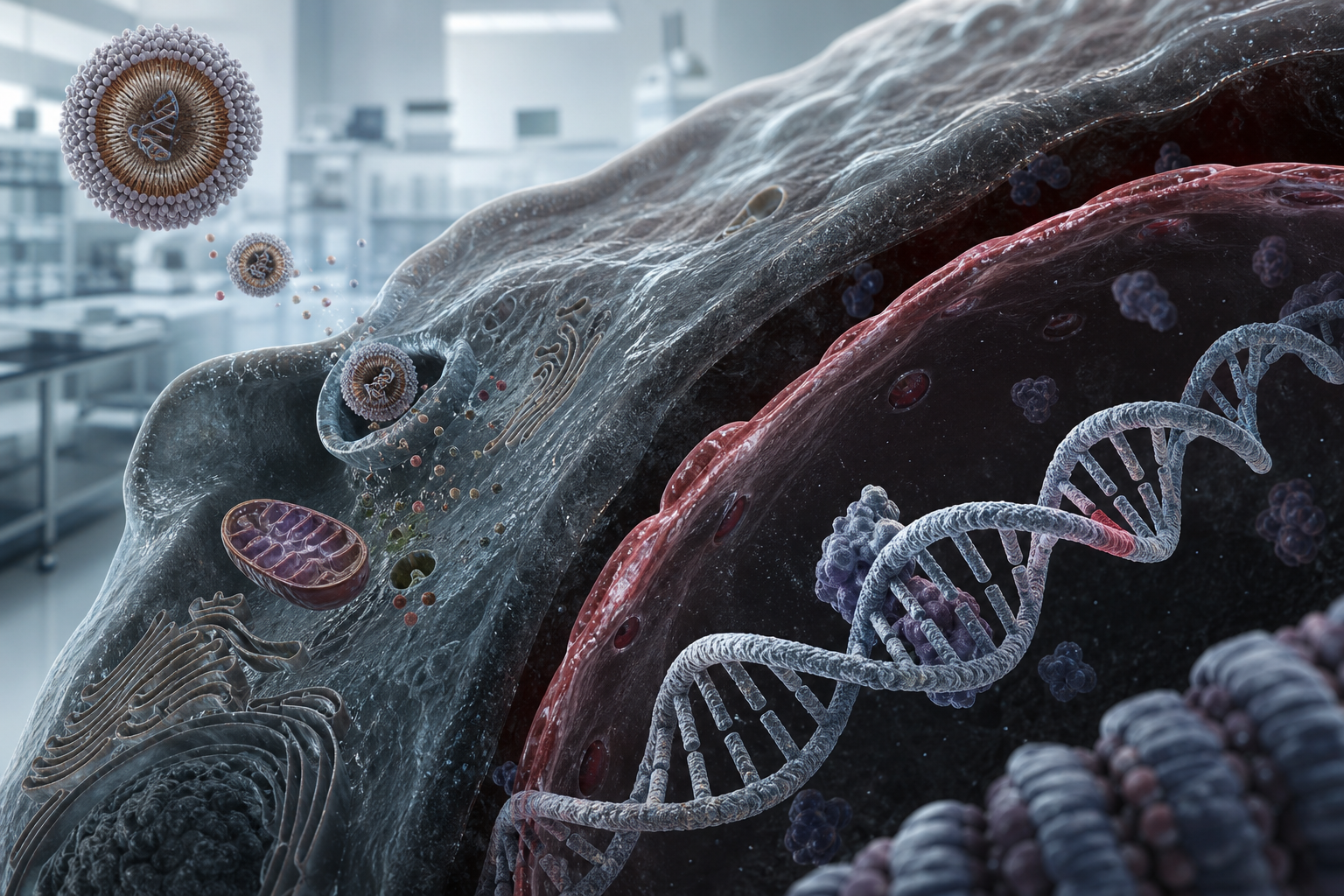
    The editing components were packaged in lipid nanoparticles that naturally reach the liver after infusion. That delivery choice matched the disease because the relevant metabolic process occurs in liver cells. The therapy targeted somatic cells, not reproductive cells, so the edit was intended to affect only the patient and not be inherited by future children.

    A Reusable Platform Made a One-Patient Therapy Possible

    Creating a completely new drug for one person would normally be too slow and expensive. The team used a platform approach: much of the editor, delivery system, manufacturing process, testing strategy, and regulatory knowledge could be reused, while the targeting component was adapted to the patient’s mutation.

    This resembles software architecture more than traditional mass-produced medicine. A validated base platform provides the common machinery, while a smaller component directs it toward a particular DNA sequence. The analogy has limits because biology is not deterministic code, but it explains why platform validation could make future personalized treatments more practical.

    The same design-build-test logic appears in our overview of synthetic biology. In both fields, reusable tools matter because researchers cannot start every project from zero.

    What the Early Clinical Evidence Showed

    The patient received two infusions at approximately seven and eight months of age. In the seven weeks following the first infusion, the researchers reported that the infant tolerated more dietary protein and required a lower dose of a nitrogen-scavenging medication. The child also experienced viral illnesses without the severe metabolic crisis the team feared.

    Those observations suggest biological activity, but they do not establish a permanent cure. The study involved no control group, and the follow-up available at publication was short. Researchers must continue monitoring growth, liver function, immune responses, off-target edits, and whether the benefit persists as treated cells turn over.

    This is why the difference between faster discovery and hard validation remains central to biotechnology. Our article on AI-assisted drug discovery makes the same point: a promising design can accelerate the beginning of a program, but evidence still comes from careful testing and clinical follow-up.

    The Regulatory Challenge Is a Platform Challenge

    Traditional drug approval is organized around a product that will be manufactured consistently for many patients. A bespoke editor may be used once or only a few times. Regulators therefore need to decide which evidence belongs to the reusable platform and which tests must be repeated for each new target.

    Every patient-specific design still raises questions. Does the guide bind other parts of the genome? Does the editor create unintended changes? Is the delivery particle manufactured consistently? How should a dose be selected? Can regulators accept standardized testing methods without requiring a full conventional program for each individual?

    The 2025 case proceeded through an investigational regulatory pathway with intensive oversight. Turning that exceptional effort into a repeatable system will require agreed manufacturing standards, validated computational screening, rapid quality testing, long-term patient registries, and clear rules for when a prior platform can support a new variant.

    Manufacturing May Be the Real Bottleneck

    Designing a guide sequence can be fast. Producing clinical-grade material, testing purity and potency, completing animal and laboratory studies, preparing documentation, and coordinating specialists is harder. Ultra-rare diseases also create difficult economics because development costs cannot be spread across a large patient population.

    Platform manufacturing could reduce cost and time, but only if organizations can maintain capacity before a specific patient appears. Newborn diagnosis may also be essential. Some conditions cause irreversible damage quickly, leaving little time to identify a mutation and build a treatment.

    AI may help prioritize targets, predict off-target activity, and organize evidence, as discussed in our guide to biotechnology and AI. Those tools can support experts; they do not replace molecular testing, clinical judgment, or regulatory review.

    Why This Is Not a Template for Every Genetic Disease

    The liver is comparatively accessible to current lipid nanoparticle delivery systems. Other tissues, including parts of the brain, muscle, lung, or eye, may require different delivery methods. Some disorders involve many genes or complex developmental effects that cannot be corrected by changing one DNA letter.

    Timing matters as well. Editing a mutation may stop future damage without reversing injury that has already occurred. Immune responses, mosaic editing, cell turnover, and the percentage of cells that must be corrected vary by disease.

    What to Watch Next

    The most important evidence will be long-term follow-up of the first patient and additional carefully selected cases. Watch for platform-based regulatory guidance, standardized off-target testing, faster manufacturing release methods, and delivery systems that reach tissues beyond the liver.

    Personalized gene editing has moved from a theoretical possibility to a documented clinical case. Its future depends on whether researchers can turn an extraordinary one-patient effort into a safe, repeatable, and fairly accessible platform without lowering the evidence standard that protects patients.

    Sources and Further Reading

  • AI Drug Discovery: Faster Ideas, Still Hard Validation

    AI Drug Discovery: Faster Ideas, Still Hard Validation

    AI drug discovery uses computational models to help identify targets, design molecules, predict properties, and prioritize experiments. It can make the early search process faster and more systematic.

    Why It Matters

    Drug development is expensive, slow, and uncertain. Better computational tools can reduce wasted effort by helping researchers decide which ideas deserve scarce lab time.

    Where It Shows Up

    AI can support protein modeling, molecule generation, toxicity prediction, literature analysis, trial matching, and imaging analysis. However, a model’s suggestion is not a medicine. Compounds still need synthesis, testing, safety evaluation, clinical trials, and regulatory review.

    What to Watch

    • Evidence that AI-designed candidates succeed in clinical trials
    • Better biological datasets and experimental feedback loops
    • Integration of wet labs with automated software platforms
    • Transparent benchmarks rather than marketing claims

    AI can improve discovery, but biology gets the final vote. The real opportunity is a faster loop between computation and experiment.

    Category: Biotechnology. This article is part of Frontier Technology Portal’s plain-English guide to the technologies shaping the next decade.

  • Synthetic Biology: Programming Cells for Materials and Medicine

    Synthetic Biology: Programming Cells for Materials and Medicine

    Synthetic biology treats biology as something that can be designed, edited, and engineered. Scientists can modify cells to produce molecules, sense conditions, manufacture materials, or perform useful biological functions.

    Why It Matters

    The promise is enormous because living systems already build complex structures with remarkable efficiency. If researchers can guide those systems safely, biology could become a manufacturing platform for medicines, chemicals, foods, fuels, and materials.

    Where It Shows Up

    Applications include engineered microbes, cell therapies, bio-based materials, agricultural tools, diagnostics, and sustainable manufacturing. Progress depends on design software, gene editing, automation, measurement, and careful safety practices.

    What to Watch

    • Biofoundries that automate design-build-test cycles
    • Regulatory frameworks for engineered organisms
    • Scalable fermentation and manufacturing methods
    • Public trust, biosafety, and environmental safeguards

    Synthetic biology is powerful because it works with life itself. That also means responsibility matters. The field will advance through both imagination and restraint.

    Category: Biotechnology. This article is part of Frontier Technology Portal’s plain-English guide to the technologies shaping the next decade.

  • Biotechnology and AI Are Changing How Discovery Starts

    Biotechnology and AI Are Changing How Discovery Starts

    Biotechnology is becoming more computational. Researchers can now generate, read, model, and analyze biological data at a scale that was difficult to imagine a generation ago. Artificial intelligence adds another layer by helping scientists search large biological possibility spaces.

    This does not mean AI replaces laboratories. Biology is physical, messy, and context-dependent. The promise is that AI can help researchers decide what to test, prioritize candidates, find patterns, and reduce wasted cycles.

    Where AI Helps Biotech

    AI can assist with protein structure prediction, molecule generation, imaging analysis, genomic interpretation, clinical trial matching, diagnostic support, and manufacturing optimization. In drug discovery, computational tools may help identify targets or propose molecules, but those ideas still require validation.

    Biotech progress depends on the loop between prediction and experiment. Better models can suggest better experiments. Better experiments produce better data. Better data improves the next model.

    Beyond Medicine

    Biotechnology is not only healthcare. Synthetic biology can support materials, agriculture, food production, environmental monitoring, and industrial manufacturing. Cells can be treated as programmable systems, though the programming is far more complex than software.

    Challenges to Watch

    • Data quality and reproducibility.
    • Regulation and clinical safety.
    • Manufacturing scale-up.
    • Ethics, privacy, and genetic data protection.
    • The gap between promising models and proven therapies.

    The future of biotech will likely be shaped by hybrid teams: biologists, chemists, engineers, data scientists, clinicians, and regulatory specialists working together. Discovery is becoming faster, but trust still requires evidence.