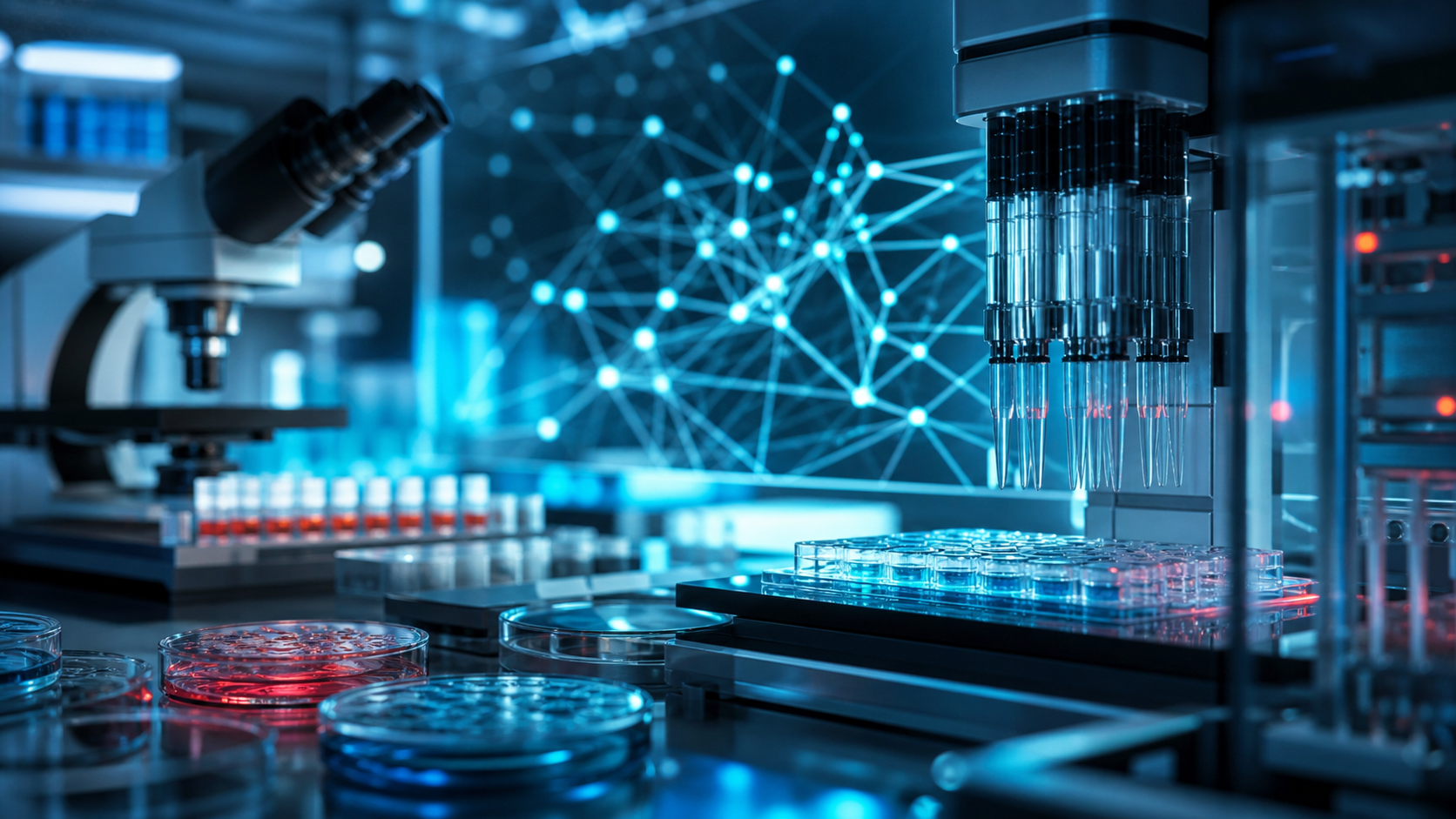
Biotechnology and AI Are Changing How Discovery Starts
AI is changing the early stages of biotech discovery by helping researchers search biological possibility spaces faster.
Editorial Team
We publish independent, plain-English reporting and explainers about artificial intelligence, robotics, space technology, quantum computing, biotechnology, clean energy, cybersecurity, consumer electronics, and future transportation.
Our research starts with primary evidence whenever it is available: regulator and standards documents, official technical material, direct company announcements, and original research papers. We distinguish reported facts from analysis, explain important limitations, and do not claim hands-on product testing unless it actually occurred.
Articles are reviewed for sourcing, clarity, internal consistency, and potentially misleading claims before publication. Substantive updates and corrections are reflected in the article’s updated date and handled under our published editorial standards.

AI is changing the early stages of biotech discovery by helping researchers search biological possibility spaces faster.

Quantum computing becomes practical only when hardware, software, and error correction work together.

Space technology is shifting from rare missions to reusable launch, satellite services, data, and commercial infrastructure.
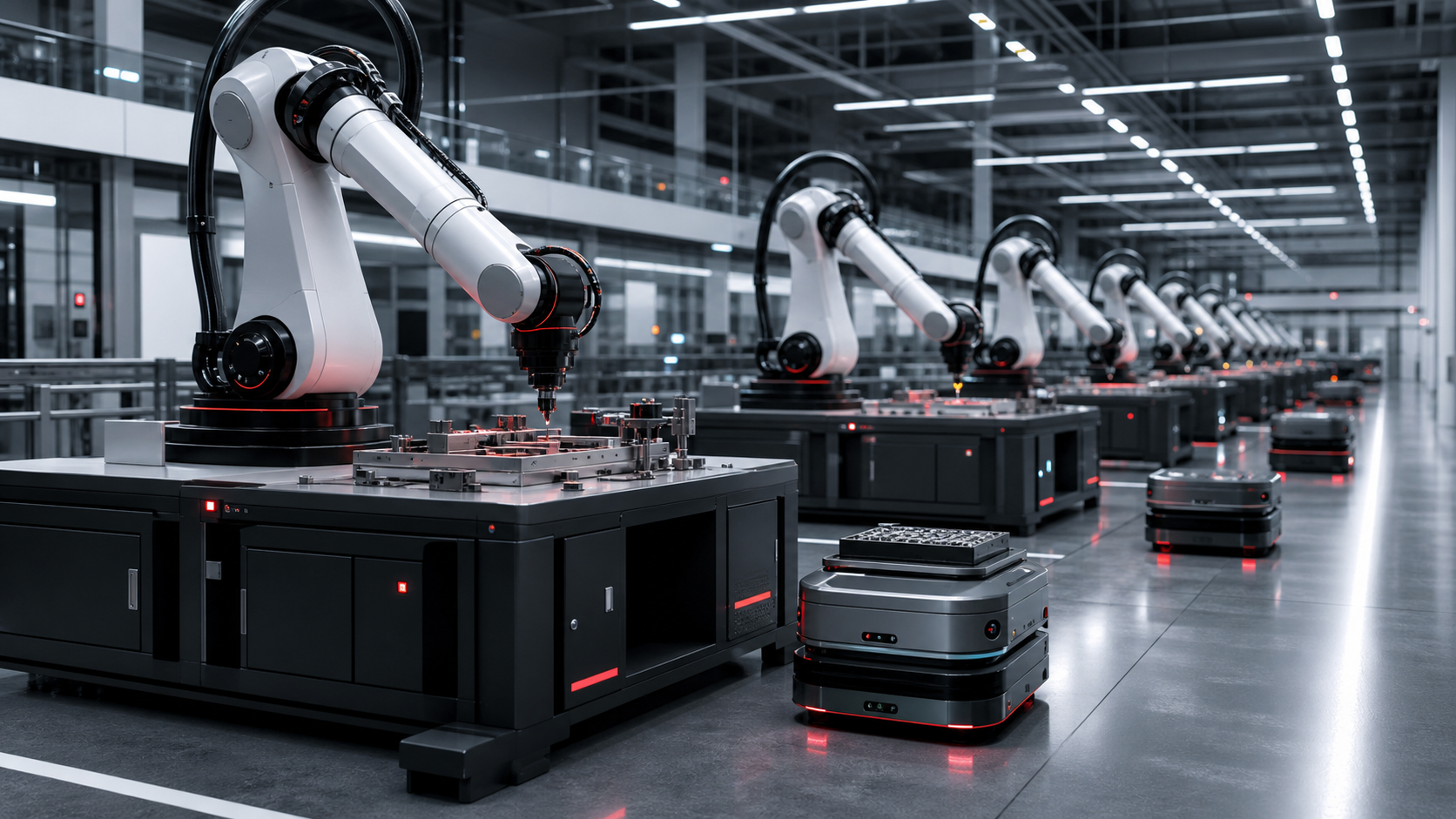
Robotics progress is increasingly measured by reliable work in warehouses, factories, hospitals, farms, and homes.

AI agents can coordinate work across software, but dependable deployment requires bounded tools, delegated identity, approvals, audit trails, and realistic evaluation.