
Wearables and Health Data: Promise, Limits, and Privacy
Wearables can help users notice health patterns, but data accuracy, interpretation, and privacy require careful attention.

Wearables can help users notice health patterns, but data accuracy, interpretation, and privacy require careful attention.

Smart home devices can be useful, but buyers should check updates, privacy settings, network security, and account protection.

Zero trust security focuses on verifying users, devices, and access continuously rather than trusting a network by default.

Modern grids need software to coordinate renewables, batteries, electric vehicles, demand response, and distributed energy.

Long-duration storage can help clean energy systems handle multi-hour, multi-day, and seasonal gaps in supply.
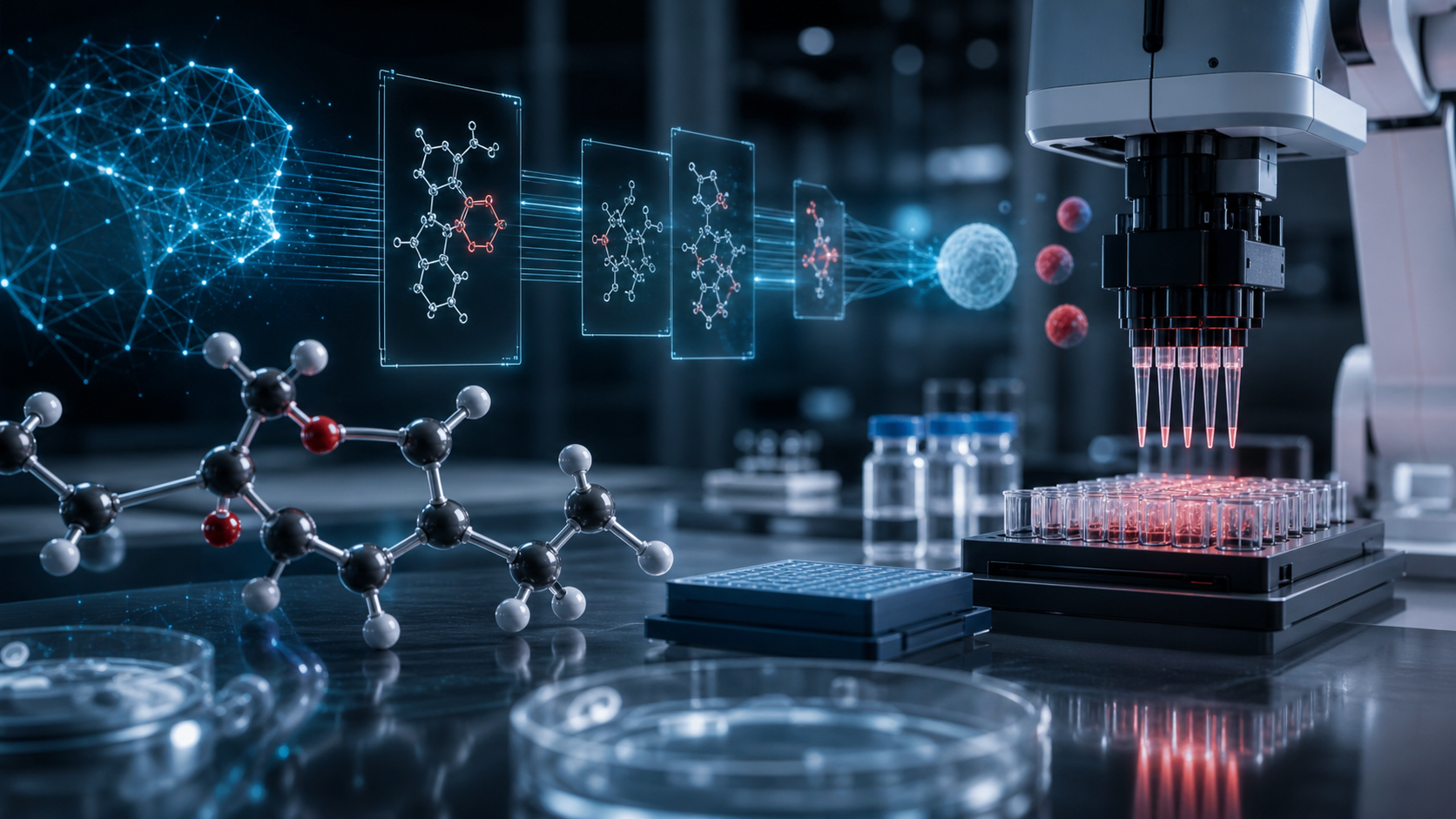
AI can speed up parts of drug discovery, but laboratory testing, clinical trials, safety, and regulation remain essential.

Synthetic biology applies engineering ideas to living systems, opening possibilities in medicine, materials, food, and manufacturing.

Post-quantum cryptography is now an active migration program built around NIST standards, cryptographic inventory, hybrid deployment, and crypto agility.
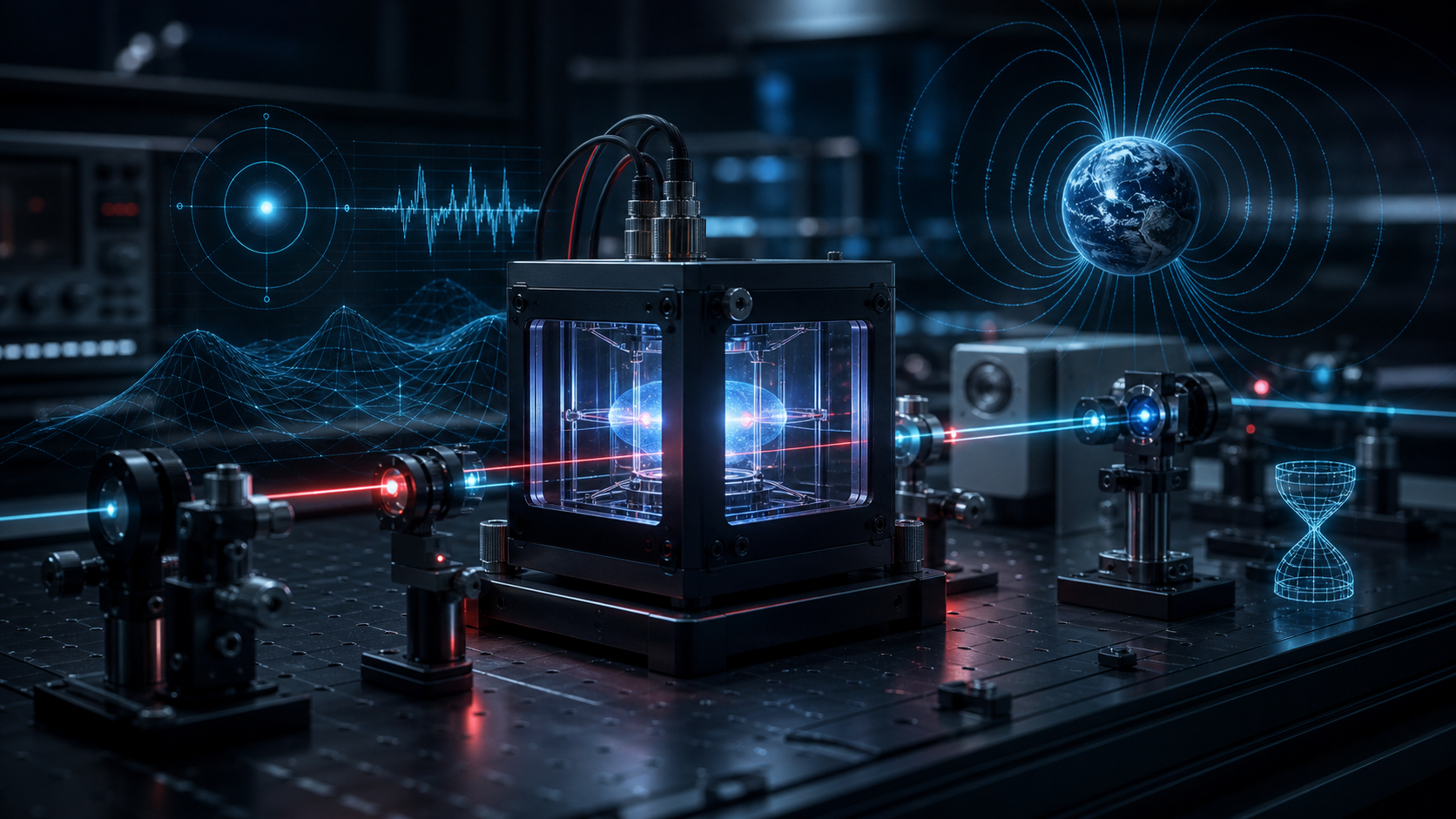
Quantum sensors use atoms, photons, spins, and superconducting circuits to measure time, gravity, motion, fields, and light, but real-world robustness remains the key test.

Orbital safety now depends on debris prevention, reliable disposal, collision coordination, reentry planning, and targeted removal of high-risk abandoned objects.