
Vehicle-to-Grid Charging Could Turn Parked EVs Into Energy Assets
Bidirectional charging can connect EV batteries to homes, buildings, and power networks, but standards, utility rules, and incentives still matter.

Bidirectional charging can connect EV batteries to homes, buildings, and power networks, but standards, utility rules, and incentives still matter.

A personalized CRISPR treatment for one infant shows how platform medicine could serve rare diseases, while long-term evidence remains essential.

LunaNet, NASA relay services, and ESA Moonlight aim to give lunar missions interoperable communications, navigation, and timing infrastructure.
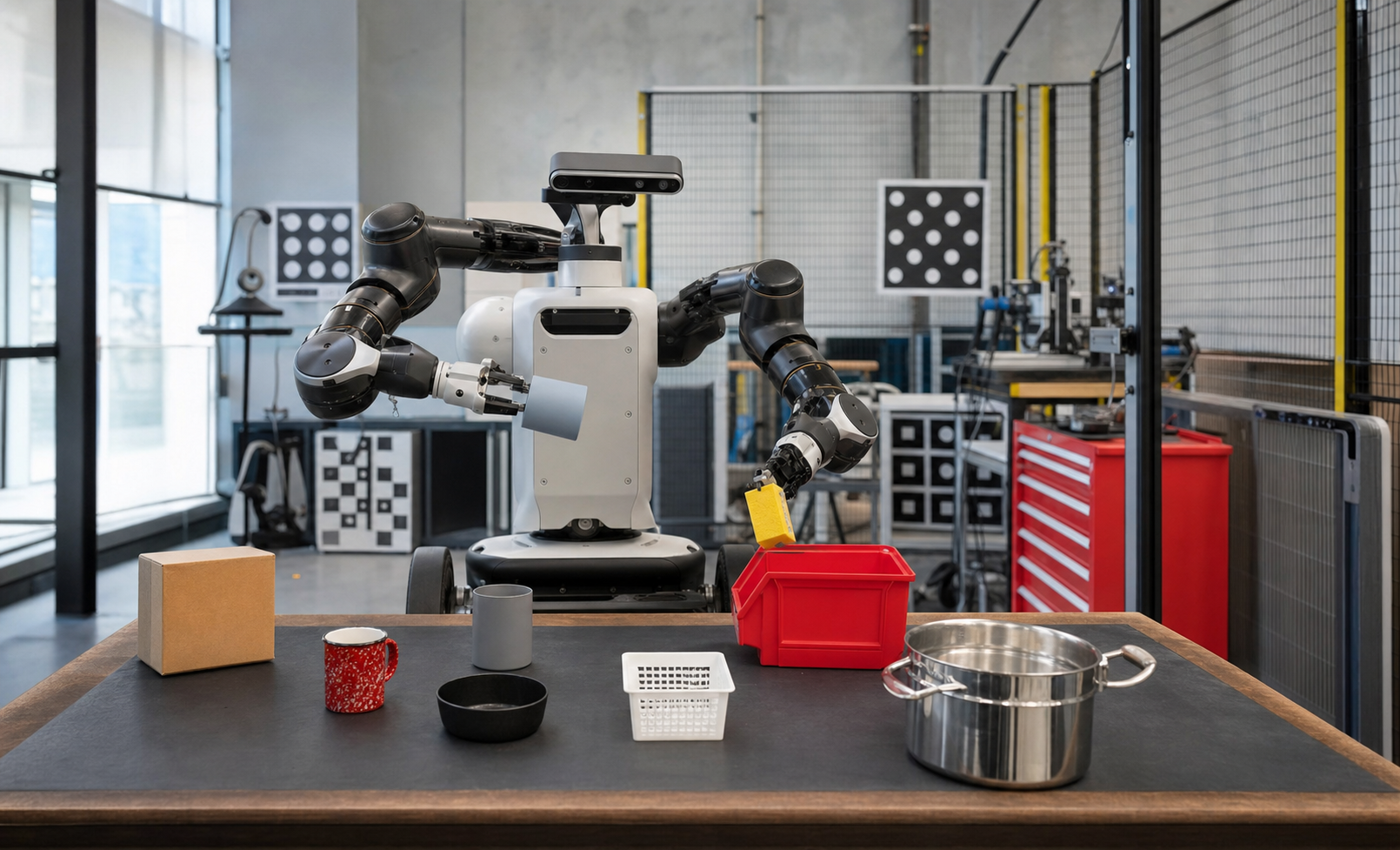
Robot foundation models connect vision, language, spatial reasoning, and action, but reliable physical work still depends on hardware and safety.

Quantum networks use entanglement, photons, memories, and repeaters to connect quantum devices, but practical systems are still emerging.

A trustworthy technology review defines the use case, labels its evidence, tests repeatably, includes long-term costs, and discloses commercial relationships.

Advanced materials shape batteries, chips, sensors, aerospace systems, medical devices, and clean energy infrastructure.

Delivery routes, warehouses, campuses, ports, and logistics hubs may adopt autonomy faster than general city driving.

Electric vehicle adoption depends on charging networks that are reliable, visible, fast, affordable, and easy to use.

Spatial computing needs lighter hardware, better input, useful apps, and social comfort before it becomes mainstream.