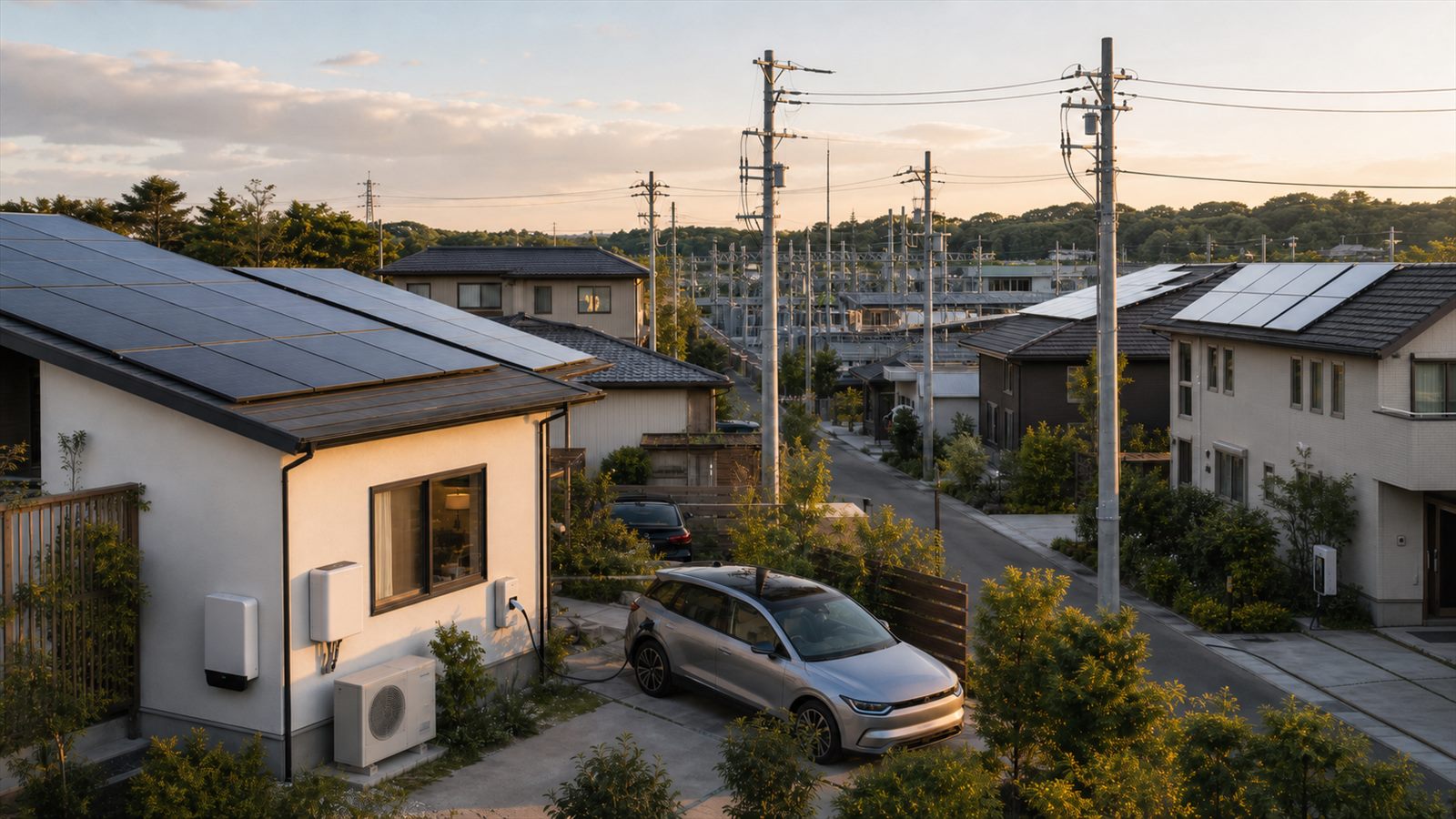
Virtual Power Plants Turn Small Energy Devices Into Grid Capacity
Virtual power plants coordinate batteries, EVs, thermostats, solar, and flexible loads, but reliable performance depends on markets, measurement, and customer trust.

Virtual power plants coordinate batteries, EVs, thermostats, solar, and flexible loads, but reliable performance depends on markets, measurement, and customer trust.
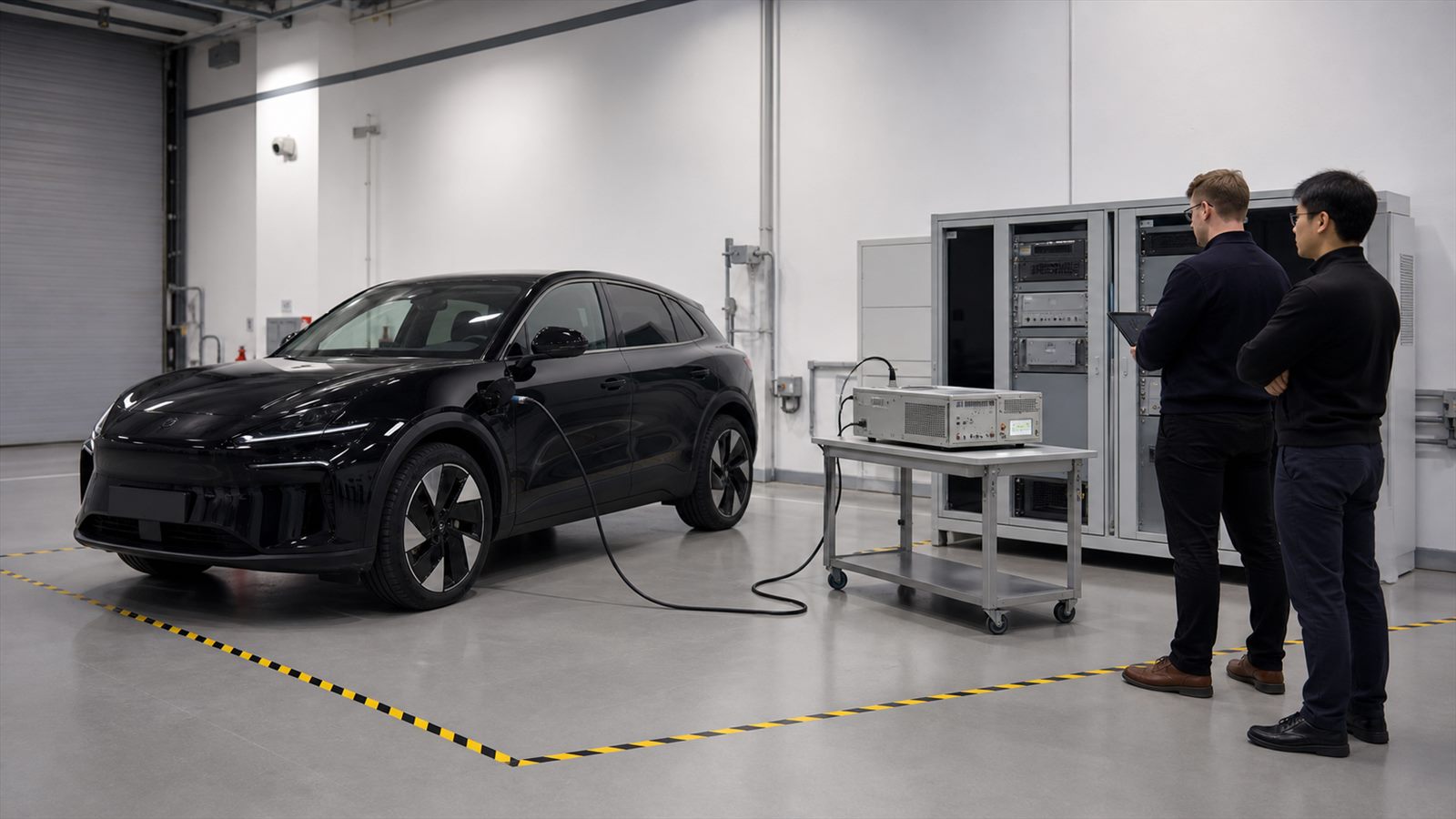
Safe vehicle OTA updates require signed software, compatibility checks, controlled installation, rollback protection, recovery, and fleet monitoring.

FDA’s 2026 draft guidance shows why genome-editing safety assessment depends on validated sequencing, representative samples, and reproducible bioinformatics.

Photonic quantum computing combines single photons, interference, fusion measurements, low-loss chips, detectors, and fast control into a demanding manufacturing problem.

Space weather forecasting combines solar observations, deep-space monitors, models, and operator procedures to protect satellites, navigation, aviation, and power grids.
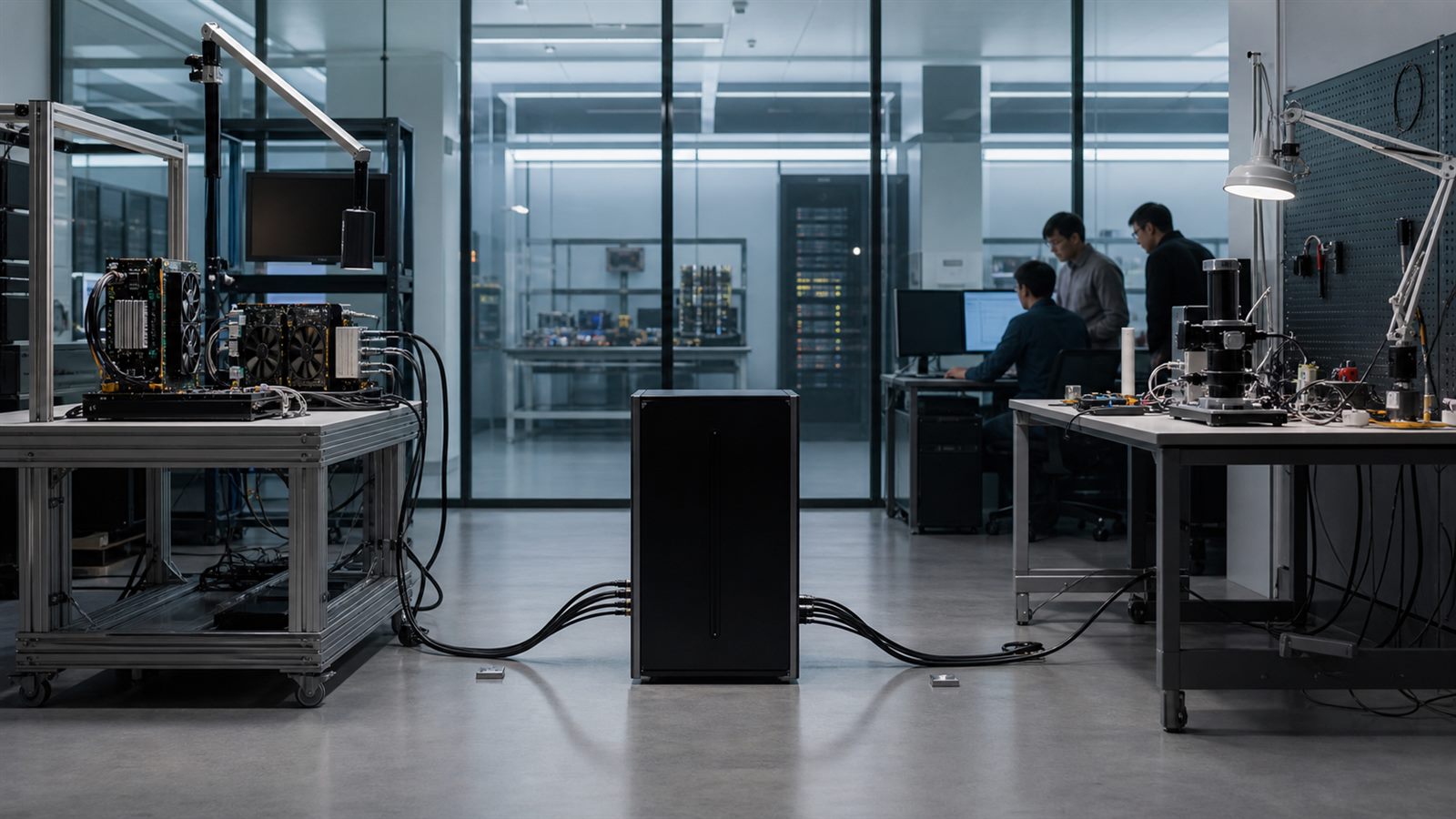
NIST鈥檚 ARIA pilot combines model tests, red teaming, and field testing to connect AI performance with the people and contexts an application actually serves.

EU common-charger rules now cover laptops, combining USB-C, USB Power Delivery, clear power labels, and the option to buy devices without another adapter.

From September 2026, Europe鈥檚 Cyber Resilience Act requires reporting of actively exploited vulnerabilities and severe incidents in covered digital products.
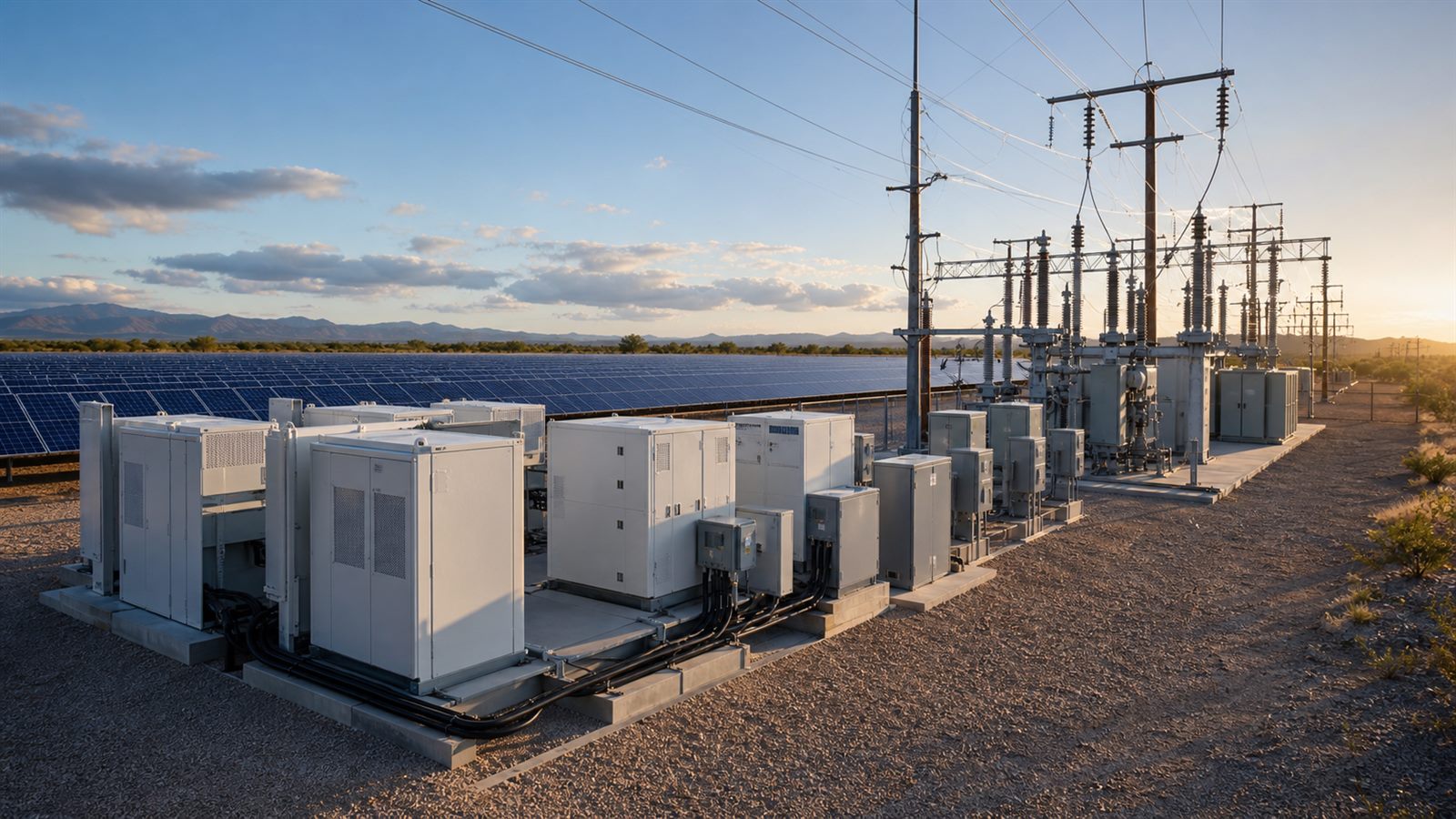
Grid-forming inverters can establish voltage and frequency for renewable-heavy power systems, but protection, interoperability, and field validation remain essential.
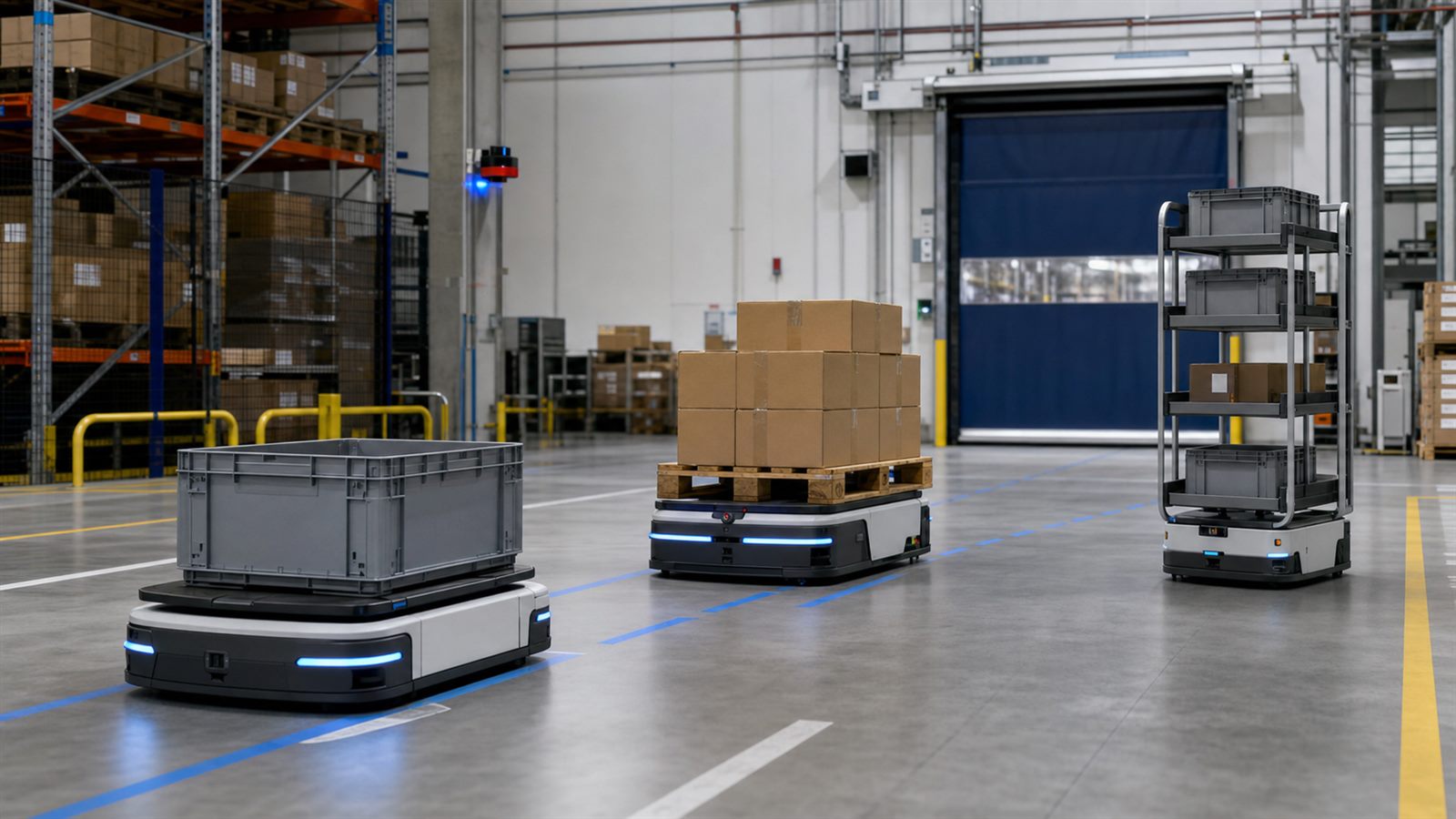
VDA 5050 version 3.0 gives mixed mobile-robot fleets a shared language for orders, maps, zones, and status without replacing safety or navigation engineering.