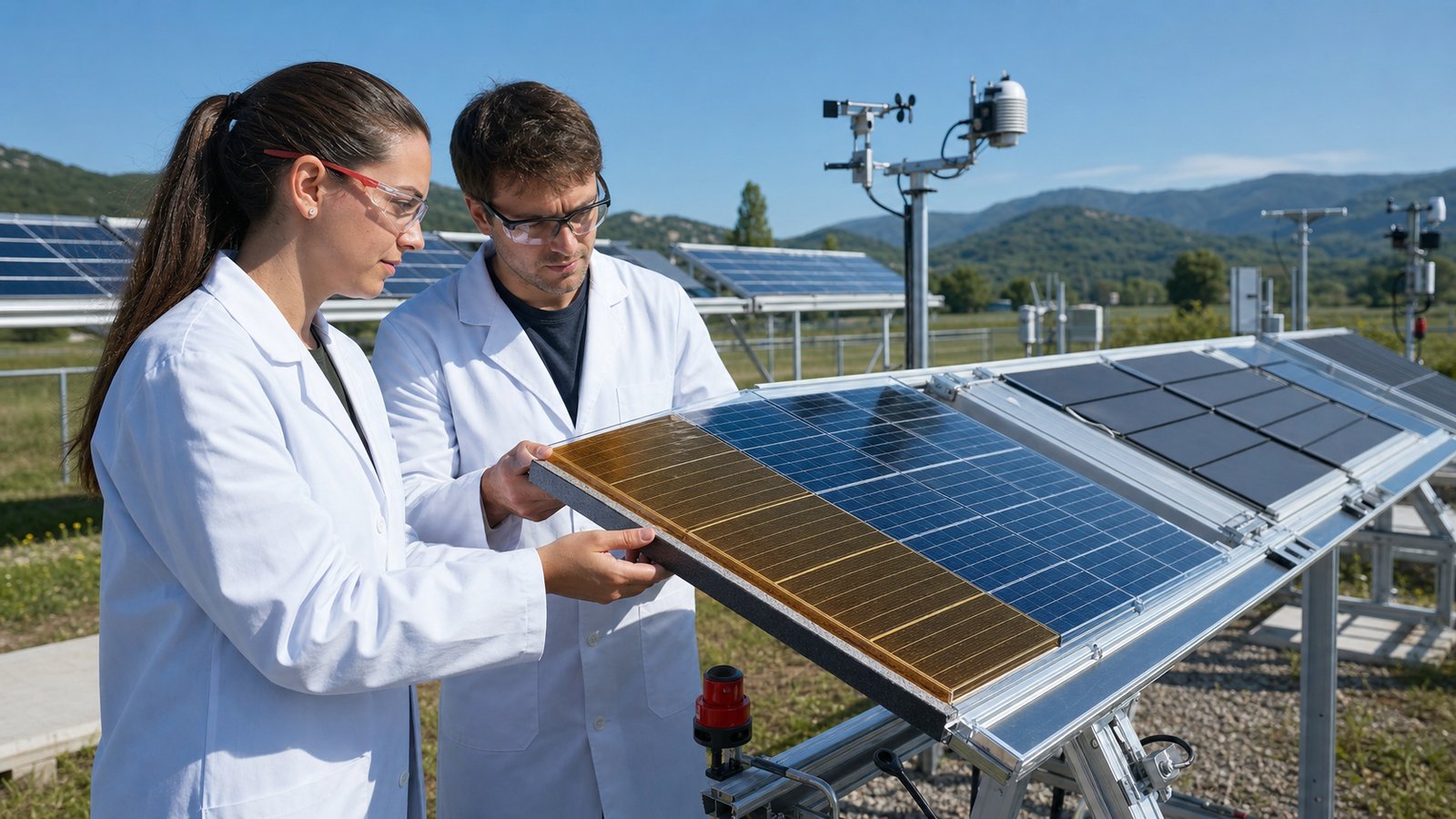
Perovskite-Silicon Tandem Solar Cells Have Entered the Reliability Phase
Perovskite-silicon tandem cells now beat conventional silicon efficiency, but reverse-bias stress, large-area manufacturing, and long field life will decide deployment.

Perovskite-silicon tandem cells now beat conventional silicon efficiency, but reverse-bias stress, large-area manufacturing, and long field life will decide deployment.

Synthetic data can extend AI training and cover rare cases, but provenance, diverse real examples, and independent evaluation are essential to avoid feedback loops.
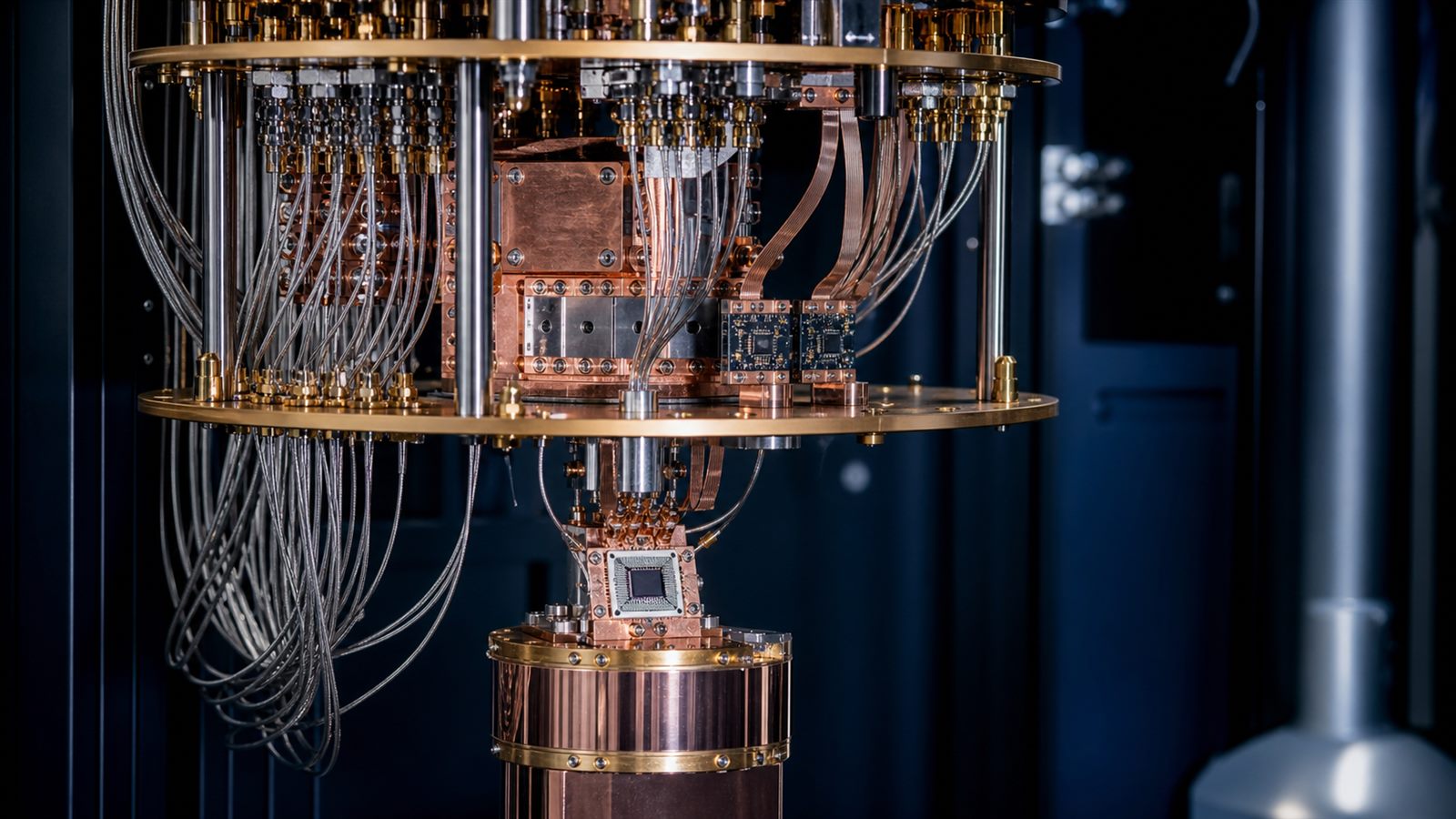
Large quantum processors need cryogenic control electronics, multiplexing, and low-heat interconnects so classical wiring does not overwhelm fragile qubits.

Personalized cancer vaccines connect tumor sequencing, neoantigen selection, custom manufacturing, and clinical testing, but durable immune responses are not yet proof of consistent benefit.
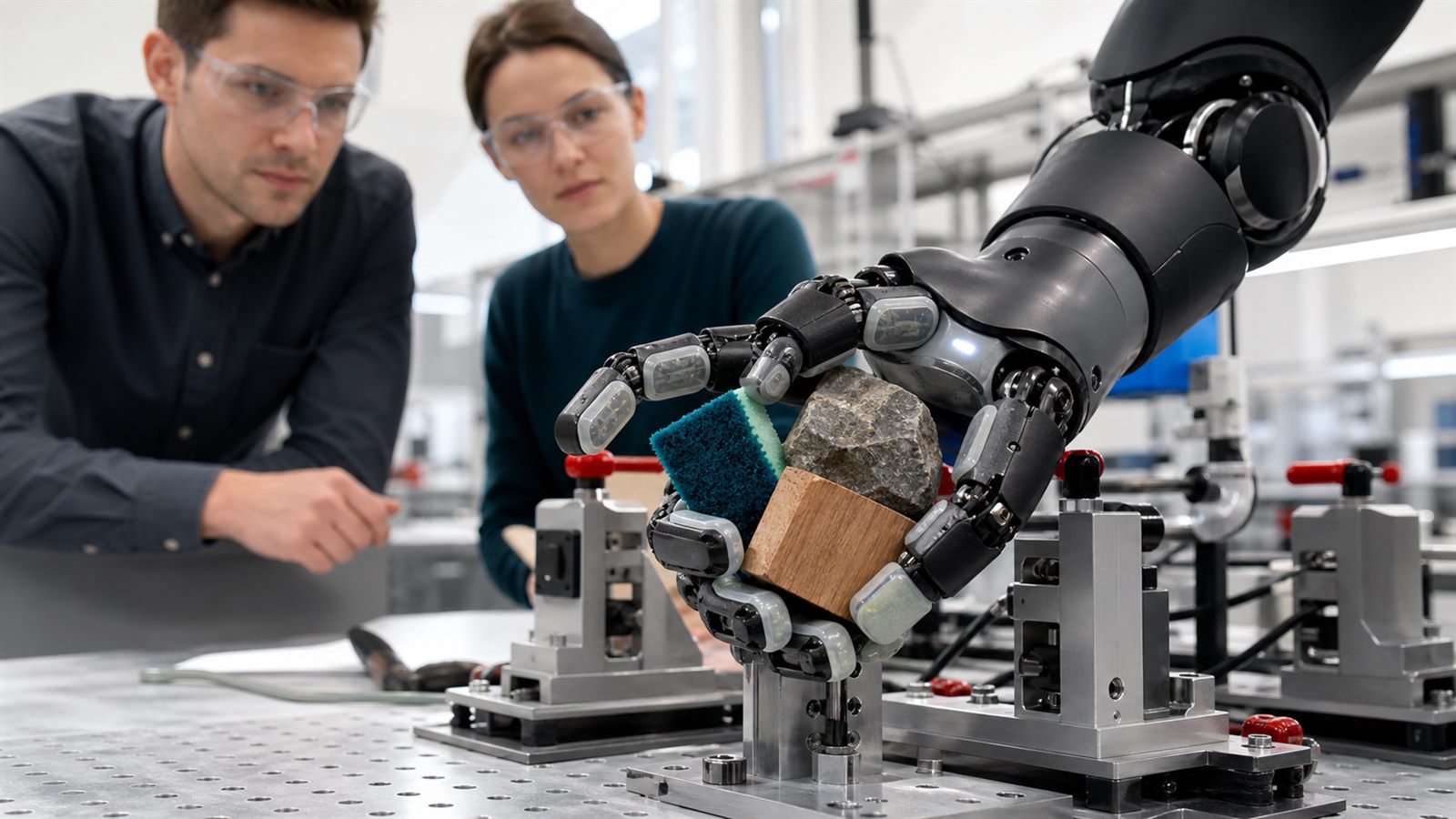
Tactile sensing can help robot hands detect force, slip, and contact, but durable hardware, shared benchmarks, and repeatable deployment evidence will determine its value.
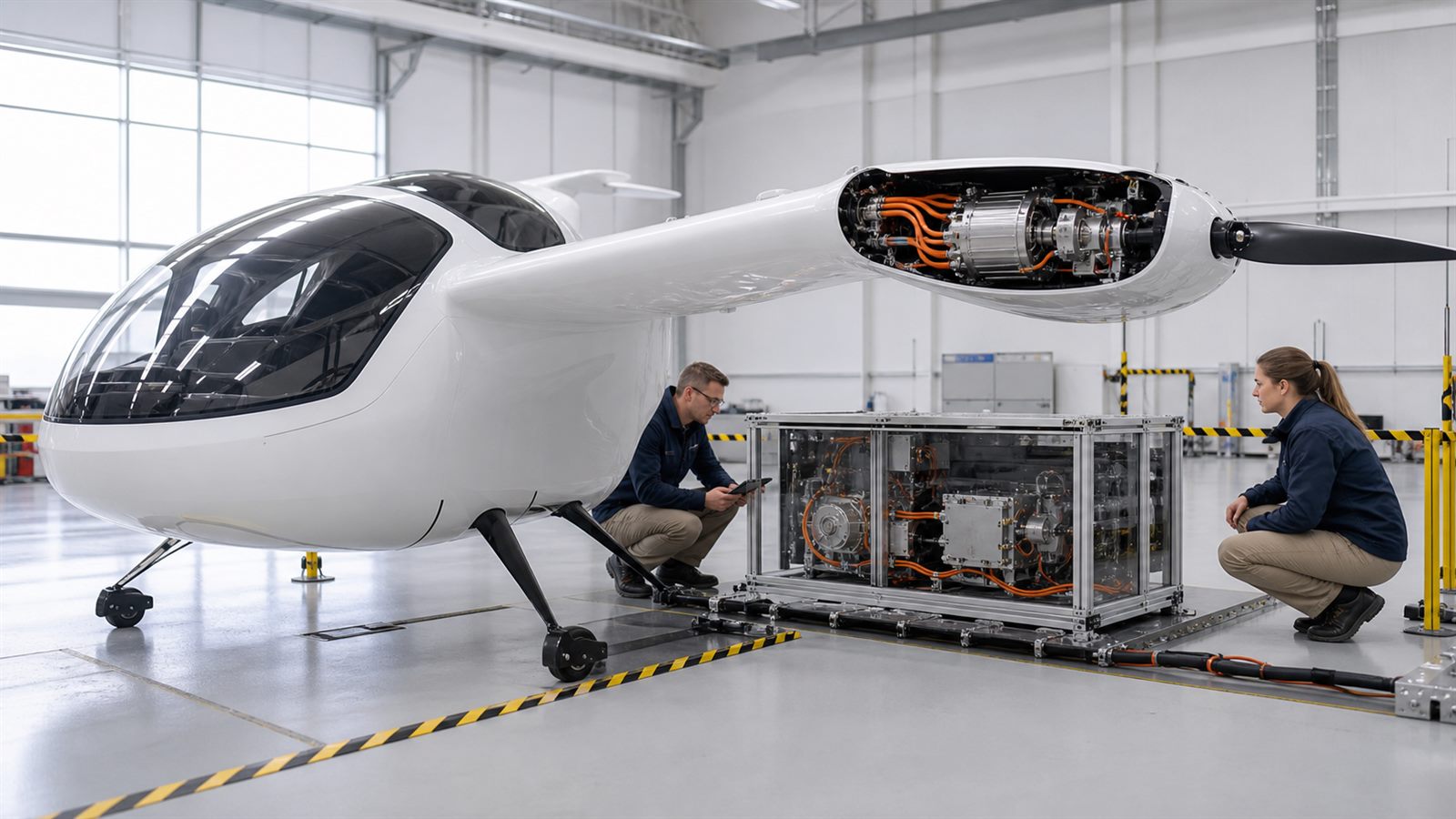
Electric aircraft certification depends on propulsion integration, battery containment, high-voltage safety, software, maintenance, and airport operations, not energy density alone.
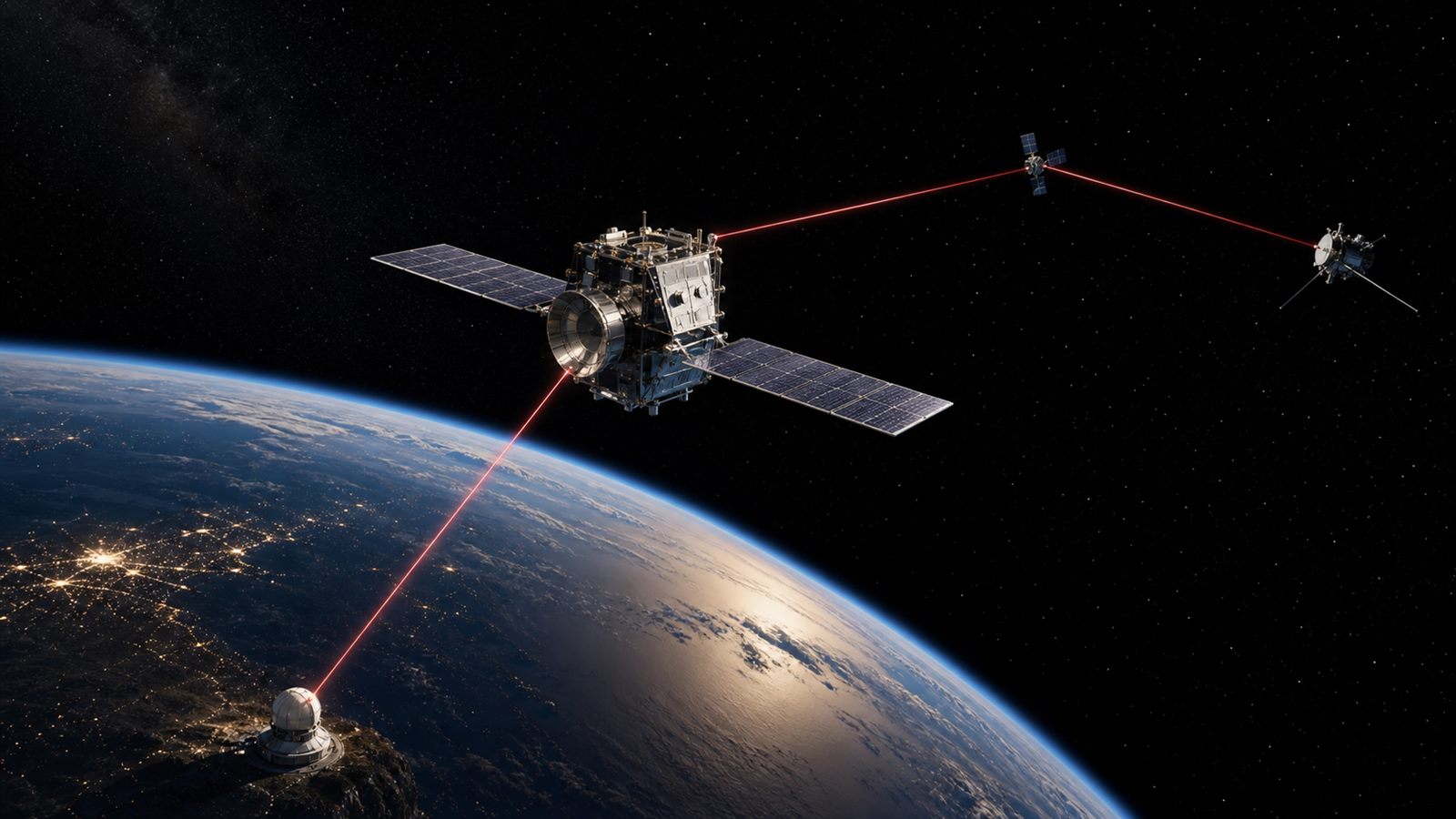
Space laser communications are moving toward networks built from precise optical terminals, relays, diverse ground stations, weather routing, and radio fallback.

Auracast broadcast audio can send local sound to many compatible listeners, but discovery, interoperability, accessibility, and venue operations will decide its value.

A software bill of materials becomes useful only when accurate component inventory is connected to deployed assets, vulnerability context, suppliers, and remediation.

Europe’s general-purpose AI rules are moving into enforcement, turning model documentation, copyright, evaluation, and systemic-risk controls into operational work.