Frontier Technology Portal Independent technology analysis / Updated daily
Frontier Technology Portal logo
FRONTIER Technology Portal for the next wave of invention

Category: Future Transportation

Electric vehicles, autonomous systems, aviation, logistics, batteries, and mobility networks.

  • EV Battery Passports Are Becoming a Data Layer for Repair and Recycling

    EV Battery Passports Are Becoming a Data Layer for Repair and Recycling

    An electric-vehicle battery can remain useful long after its first owner sells the car. It may be repaired, remanufactured, reused in another vehicle, repurposed for stationary storage, or sent for material recovery. Each step depends on reliable information about what the pack contains, how it should be handled, and what condition it is in.

    The European Union’s battery passport is designed to make some of that information travel with the physical battery. It is not a travel document and it is not merely a label. It is a structured electronic record with public and restricted data, linked to an individual battery. For drivers, its importance will be indirect at first, but repair, resale, second-life decisions, and recycling could all become better informed.

    The Requirement Begins in 2027

    Under the EU’s Battery Regulation 2023/1542, from February 18, 2027, each electric-vehicle battery, light-means-of-transport battery, and rechargeable industrial battery above 2 kilowatt-hours placed on the market or put into service must have an electronic battery passport. A unique identifier and a data carrier on the battery connect the physical product to the record.

    The requirement applies to the battery categories specified by the regulation, not every small household cell. It also does not mean that all passport data becomes visible to anyone holding a phone. The legal design separates generally accessible information from data available only to authorized parties with a legitimate interest.

    The European Commission’s overview of the regulation places passports within a wider lifecycle policy covering sourcing, performance, removability, collection, recycling, and material recovery. The passport is the data layer; it does not replace those product and waste obligations.

    A Passport Combines Model and Individual-Pack Data

    Some information describes a battery model: manufacturer details, chemistry, material composition, carbon-footprint information where required, performance characteristics, and instructions relevant to safety or disassembly. Other fields relate to the individual battery, including its unique identity and status.

    The regulation’s Annex XIII provides for data useful to repairers, remanufacturers, second-life operators, and recyclers. Depending on access rights, this can include detailed composition, dismantling information, safety measures, state-of-health data, expected lifetime, numbers of cycles, and whether a battery is original, reused, repurposed, remanufactured, or waste.

    That distinction matters. A model specification says what a new pack was designed to do. Item-specific information can help a professional judge the particular pack in front of them. Neither should be confused with a promise that every measurement is complete, current, or sufficient for a safety decision.

    Implementation Rules Are Becoming Concrete

    The technical ecosystem needs consistent identifiers, access control, data formats, registries, and rules for updating status across organizations. The EU’s Implementing Regulation 2026/1778, published in July 2026, sets arrangements for the battery-passport registry, including registration and verification processes, identifiers, status handling, availability, and measures intended to reduce fraud.

    These details are not background bureaucracy. A passport that one manufacturer formats differently from another, a record that disappears when a company closes, or an identifier that can be copied without detection would be less useful to the repair and recycling market. Interoperability and persistence determine whether the passport follows the battery in practice.

    Businesses handling EV packs should therefore treat 2027 as an operational deadline, not the start of planning. Data ownership, supplier inputs, software interfaces, access roles, update responsibilities, and continuity arrangements all need testing before compliant products enter the market.

    Repairers Need the Right Data, Not Every Data Point

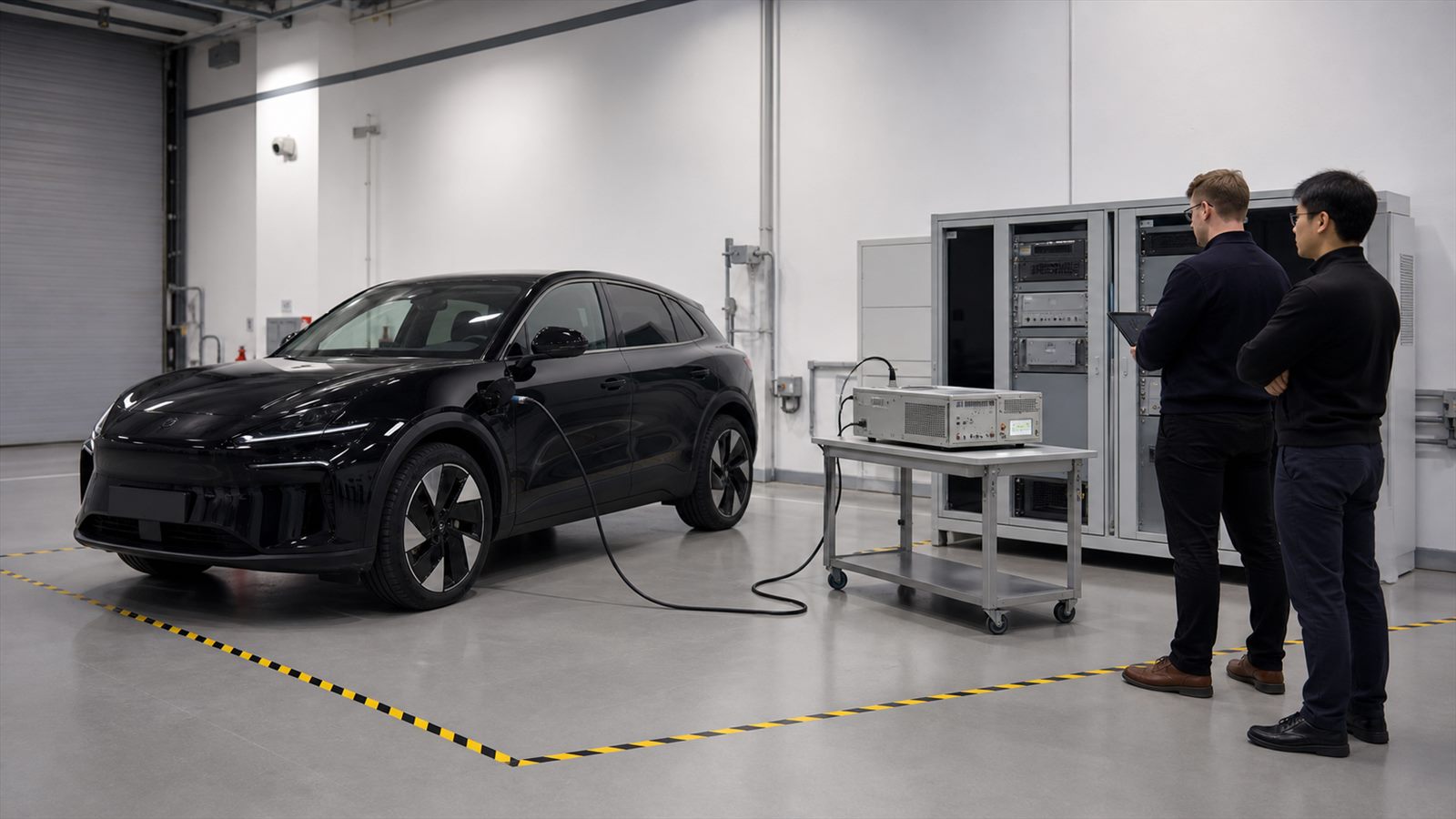
    Battery work can involve high voltage, stored energy, chemical hazards, heavy structures, cooling systems, and manufacturer-specific procedures. Accurate pack architecture, disassembly instructions, composition, and safety measures can reduce uncertainty for trained professionals. State-of-health information can help determine whether replacement, module-level work, or retirement is appropriate.

    Access controls are equally important. Detailed technical information could expose intellectual property or create safety and cybersecurity risks if released without limits. A useful passport therefore needs tiered access, verified professional identities, and auditable updates. It should reveal enough for a legitimate task without becoming a public dump of sensitive vehicle data.

    The passport also does not authorize a repair by itself. Workshop competence, tools, legal requirements, diagnostics, isolation procedures, and manufacturer instructions still apply. The same separation between digital capability and physical safety is central to secure over-the-air vehicle updates.

    Second-Life Decisions Could Become More Defensible

    An EV pack no longer suited to vehicle acceleration may still have value in a less demanding stationary application. Today, that decision can require costly inspection because pack history and condition data are fragmented. A trustworthy passport could reduce some information gaps by identifying chemistry, design, status, and relevant performance history.

    It cannot eliminate testing. State of health is not one universally meaningful number, and two batteries with similar remaining capacity may differ in resistance, thermal behavior, cell imbalance, or prior stress. Data produced by a battery-management system must be interpreted in context and checked against physical diagnostics.

    When evidence is reliable, a clearer lifecycle record could support residual-value estimates, warranties, insurance, and matching packs to suitable applications. It could also help keep usable material in service before recycling, complementing grid strategies such as bidirectional EV charging.

    Recyclers Can Plan Earlier and Recover More Safely

    At end of life, recyclers need to identify chemistry, hazardous materials, pack construction, and safe dismantling steps. Better information can guide sorting and process selection before a pack is opened. It may also help trace whether batteries entered approved collection and treatment channels.

    A passport does not solve recycling economics. Collection logistics, plant capacity, energy costs, material prices, process yields, and product design still determine whether recovery is efficient. Nor does data compensate for a pack that is physically difficult to disassemble. Regulation must align information requirements with design and recovery targets.

    Heavy transport adds another scale challenge. The charging infrastructure discussed in megawatt charging for electric trucks will be paired with very large battery assets. Reliable identity and lifecycle records can make future maintenance and recovery planning less dependent on incomplete paperwork.

    Privacy, Accuracy, and Continuity Are the Main Tests

    A battery passport should not become a public history of where a vehicle traveled or how its owner drove. The legal and technical system needs to keep personal and commercially sensitive data outside public access while still supplying legitimate lifecycle information.

    Accuracy is harder than initial publication. A pack may receive replacement modules, firmware changes, repairs, a new owner, or a new use. Responsibilities must be clear when several companies touch the asset. Records need timestamps, provenance, and correction processes so later users can distinguish measured data, declared data, and inferred values.

    Continuity may be the longest test. Vehicle batteries can outlast software platforms and corporate relationships. Registry and data architecture must keep essential records available through ownership transfers and business failures without allowing unauthorized edits.

    What Drivers and Buyers Should Watch

    Consumers should look for clear, comparable information rather than treating the passport as a universal battery score. Useful questions include who supplied a state-of-health value, when it was measured, what method was used, and whether repairs or module replacements are recorded. Independent inspections will still matter for used vehicles.

    Over the next year, watch the implementing standards, registry rollout, professional-access process, and the first vehicle models built around the requirement. The passport’s success will be visible not in the presence of a scannable code, but in whether trusted data makes repair, reuse, resale, and recycling decisions faster and more defensible.
    Sources and Further Reading

  • Electric Aircraft Need Certification Progress More Than Battery Hype

    Electric Aircraft Need Certification Progress More Than Battery Hype

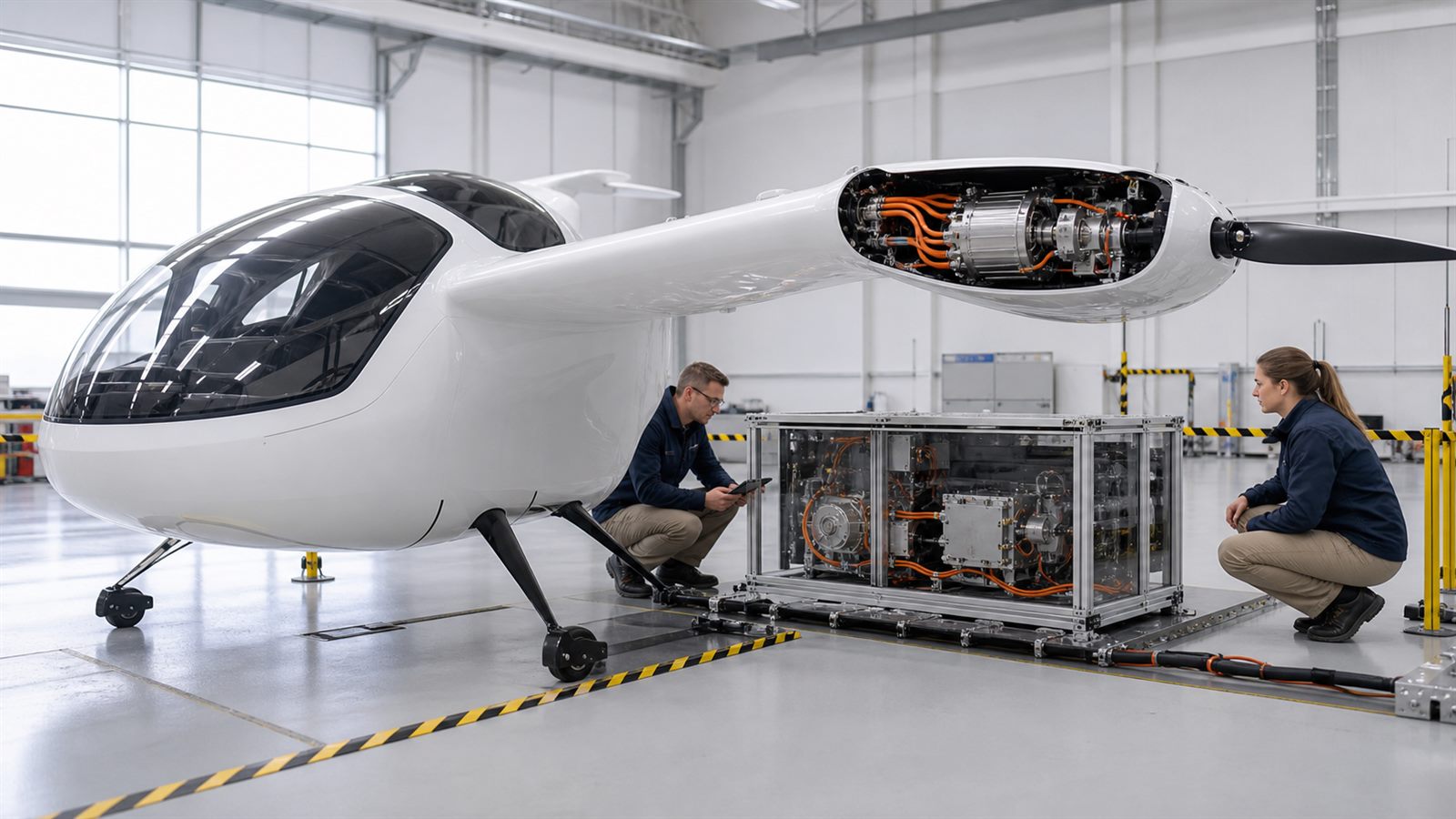
    Electric aviation is often reduced to one question: when will batteries store enough energy for flight? Energy density matters, but an aircraft does not receive permission to carry people because its battery looks impressive on a chart. Regulators and manufacturers must show that the propulsion system, energy storage, software, wiring, thermal controls, structure, flight procedures, and maintenance program work safely together across foreseeable conditions and failures.

    Recent certification work makes that systems problem visible. In February 2025, the European Union Aviation Safety Agency announced the first type certificate for an electric engine under its special condition for electric and hybrid propulsion systems. The Safran ENGINeUS 100 is aimed initially at small aircraft. In the United States, the Federal Aviation Administration includes electric and vertical-takeoff aircraft within its established certification process while developing supporting research and standards.

    Certification Is a Process, Not a Final Flight Test

    The FAA describes seven phases, beginning with design concept and continuing through requirements definition, compliance planning, implementation, testing and analysis, final certification, and post-certification activity. The applicant and regulator agree on the rules and means of compliance that apply to a particular design.

    This matters for new propulsion technology because there may not be one existing rule written around the exact architecture. Regulators can use special conditions, accepted standards, analyses, ground tests, flight tests, inspections, and operational limitations to build a certification basis. Evidence accumulates throughout development rather than appearing in one dramatic demonstration.

    A component certificate is only one layer. A certified electric motor is not a certified airplane. The aircraft installation must address propellers or fans, energy storage, power electronics, cooling, controls, wiring, structure, pilot information, and interaction with every other system.

    Electric Propulsion Changes the Failure Map

    Electric motors have relatively few moving parts and can respond quickly to control inputs. They also depend on inverters, sensors, high-voltage distribution, connectors, insulation, software, and a continuous source of electrical energy. A fault can propagate through electrical and thermal paths that differ from those in a conventional piston or turbine installation.

    Engineers need to identify single failures, combinations of failures, common causes, and hidden degradation. They must show that protective devices isolate faults without removing more propulsion than expected. Redundant channels are useful only when they do not share a vulnerable battery, cooling loop, software defect, connector, or sensor assumption.

    The connected, software-heavy nature of future vehicles is also why our overview of electric and autonomous transportation treats energy, automation, and infrastructure as one system.

    Batteries Must Be Safe Before, During, and After a Failure

    A battery pack must supply takeoff and climb power, preserve required reserves, tolerate temperature and altitude, and remain within safe limits as cells age. Certification work can include cell characterization, pack-level abuse tests, containment, ventilation, fire detection, isolation, monitoring, and procedures for damaged or overheated batteries.

    Thermal runaway is not addressed by claiming that a cell chemistry is safer in general. Designers need evidence for the exact cells, pack arrangement, spacing, barriers, cooling, state-of-charge range, and installation. They must consider whether a failing cell can heat neighboring cells, release gases into occupied areas, damage control wiring, or compromise the structure.

    Battery state estimation is safety-relevant. Pilots and flight computers need trustworthy information about available energy and power under current temperature, age, and load. A pack can have remaining energy but be unable to deliver required peak power. Conservative reserve logic and clear alerts matter as much as an optimistic range estimate.

    High Voltage Behaves Differently at Altitude

    Electric aircraft can use high voltage to reduce current and cable mass. Lower air pressure changes insulation and electrical-discharge behavior, while moisture, contamination, vibration, manufacturing variation, and connector wear can reduce margins. Wiring routes and separation must also limit the effects of chafing, fluid exposure, and maintenance errors.

    Lightning and electromagnetic interference remain aircraft-level concerns. Power electronics switch large currents quickly and can create electrical noise. The propulsion system must coexist with navigation, communications, flight controls, and sensors without causing unacceptable interference, and it must tolerate the external electromagnetic environment.

    The FAA’s research plan specifically identifies electric-propulsion work involving endurance, durability, reliability, environmental conditions, electromagnetic effects, and lightning. These subjects are less visible than a prototype flight but central to certification.

    Thermal Management Has to Work on the Ground Too

    Motors, inverters, cables, and batteries produce heat. Cooling can be more difficult during taxi, charging, or a hot turnaround when airflow is limited. A design must handle expected ambient conditions and degraded cooling without relying on a perfect dispatch schedule.

    Thermal systems also consume mass and power. Pumps, radiators, ducts, coolant, sensors, and protective structure reduce the mass available for passengers or energy storage. This is why comparing only motor efficiency or cell energy density can misrepresent the useful aircraft.

    Distributed Propulsion Adds Control Opportunities and Complexity

    Electric power can be distributed to several motors, potentially enabling new wing layouts, control strategies, and redundancy. It also creates more propulsion units, inverters, cables, sensors, and failure combinations. The aircraft must remain controllable when thrust becomes asymmetric or a power bus is isolated.

    For vertical-takeoff designs, lift depends continuously on propulsion during hover. That can make energy reserve, fault response, and flight-control integration especially demanding. Conventional-wing electric aircraft can often glide after losing power, but they still need safe margins for takeoff, climb, diversion, and landing.

    Software Must Explain and Contain the Unexpected

    Battery management, motor control, thermal protection, energy prediction, cockpit displays, and sometimes flight control are software-driven. Certification requires disciplined development, traceable requirements, verification, configuration management, and evidence that the system handles invalid sensor data and internal faults.

    Updates after entry into service need the same care. Our article on safety-critical vehicle software updates focuses on road vehicles, but its core lessons about signatures, compatibility, recovery, and fleet monitoring also apply to connected aviation systems. Aviation approval and operational processes add their own requirements.

    Charging and Airport Operations Are Part of the Product

    A useful aircraft needs reliable charging, power capacity, safe connectors, battery inspection, and turnaround planning at intended airports. Fast charging can increase heat and affect battery life. Grid upgrades can take longer than installing a charger.

    Operators must train pilots, mechanics, rescue services, and ground staff. They need procedures for damaged batteries, towing, storage, firefighting, and transport of replacement packs. Maintenance organizations need diagnostic equipment and approved data. A technically airworthy aircraft can still fail commercially if the operating network is too fragile.

    The infrastructure challenge resembles heavy-duty road charging, though aviation duty cycles and certification are different. Our guide to megawatt charging for trucks explains why connection capacity and utilization matter alongside charger power.

    Small Aircraft Are the Practical Starting Point

    EASA’s first electric engine certification is significant precisely because it is bounded. The agency describes the initial applications as small two-seat aircraft, with the engine family spanning power levels suited to that class. Short training flights, local operations, and smaller payloads can fit current energy storage better than long-range airliners.

    Hybrid-electric systems may address longer missions by combining batteries and electric distribution with another energy source. They add generators, fuel systems, controls, and integration complexity, so “hybrid” is not a shortcut around certification. It is a different architecture with its own failure cases.

    What Claims Deserve Caution

    A prototype flight does not establish certified range, reliability, payload, charging time, battery life, community noise, or operating cost. Predictions should identify the configuration, reserve assumptions, weather, battery condition, route, and certification status.

    Environmental comparisons also need the electricity source, manufacturing, battery replacement, aircraft utilization, and the conventional aircraft being displaced. Electric propulsion can reduce local emissions and noise, but benefits vary by mission and energy system.

    What to Watch Next

    Watch for propulsion and aircraft type certificates, published means of compliance, battery containment evidence, high-voltage environmental testing, and operating data from small electric fleets. Also watch whether airports build charging capacity with common interfaces and whether manufacturers disclose support and battery-replacement plans.

    Battery progress will expand what is possible, but certification progress determines what can safely carry people. The most credible electric-aircraft programs will show not only that they can fly, but that their complete system can tolerate faults, be maintained, and repeat the mission under regulated operating conditions.

    Sources and Further Reading

  • Over-the-Air Vehicle Updates Are Becoming a Safety-Critical System

    Over-the-Air Vehicle Updates Are Becoming a Safety-Critical System

    A modern car can gain features, correct defects, and patch security weaknesses through software. Over-the-air, or OTA, delivery makes that work faster than bringing every vehicle to a workshop. It also turns the update system into part of the vehicle’s safety architecture. A failed, misdirected, or malicious update can affect far more than an entertainment screen when software controls propulsion, braking support, charging, batteries, and driver-assistance functions.

    The right way to evaluate vehicle OTA is therefore not simply to ask whether a car can download new code. The complete system must identify each vehicle and software version, authorize a package, verify compatibility, install it under safe conditions, recover from interruption, document the result, and monitor the fleet afterward.

    A Vehicle Is a Distributed Computing System

    Cars contain many electronic control units, or ECUs, connected through several internal networks. Different suppliers may provide hardware, firmware, operating systems, and application software. A change to one component can affect messages, timing, diagnostics, energy use, and assumptions elsewhere.

    This makes dependency management essential. An update service needs to know which hardware revision, calibration, region, and existing software combination is installed in a specific vehicle. Sending the correct package to the wrong configuration can be as dangerous as sending damaged code.

    The challenge grows as vehicles combine electric propulsion, connectivity, and automated functions, the three layers described in our future transportation overview. Software now links domains that were once more isolated.

    UN Regulation No. 156 Treats Updates as a Managed Process

    United Nations Regulation No. 156 establishes requirements for software updates and a software update management system. It is used within the vehicle type-approval framework adopted by participating jurisdictions. Rather than certifying only one update file, it asks a manufacturer to maintain processes for identifying software, documenting changes, assessing whether an update affects approved characteristics, delivering updates safely, and recording results.

    The regulation also uses a software identification concept so authorities can relate installed software to a vehicle’s approved configuration. This matters because a car can change after it leaves the factory. Compliance evidence has to follow the product through software revisions, not stop at the original production line.

    Authenticity and Integrity Are the First Security Gates

    A vehicle should install software only from an authorized source and only if the package has not been altered. Digital signatures can verify both properties when the signing keys and verification process are protected. Encryption may protect confidentiality during delivery, but encryption alone does not prove that code is legitimate.

    NHTSA’s 2022 cybersecurity best practices recommend state-of-the-art controls that limit firmware modification to authorized parties. They specifically discuss signing, protection of OTA servers and transmission, and risks from compromised servers, insiders, man-in-the-middle attacks, and protocol weaknesses.

    Key management is a lifecycle responsibility. Manufacturers need secure signing operations, restricted access, rotation and revocation procedures, and a response plan if credentials are exposed. One shared secret that unlocks an entire fleet creates an unacceptable single point of failure.

    Rollback Protection Prevents a Different Attack

    An older software version may carry a known vulnerability. Even if that old package was legitimately signed, an attacker should not be able to downgrade a vehicle to it. NHTSA recommends measures that limit firmware rollback attacks.

    Version rules must still allow controlled recovery. A new release can contain a defect, so engineers may need a safe path to a previous known-good build or a separately signed recovery image. The distinction is between an authorized recovery policy and accepting any historically valid package.

    Installation Conditions Are Part of Safety

    A phone can restart on a desk. A vehicle may be moving, charging, towing, parked in an unsafe location, or needed for an emergency trip. Before installation, the system may check speed, gear, battery state, charging status, network quality, temperature, and whether safety functions will remain available.

    The driver needs a realistic estimate of unavailable time and a clear confirmation that the vehicle is safe to use afterward. Critical updates may require stronger notification, while routine map or entertainment updates can follow a different schedule. Treating every package identically either creates needless disruption or hides important risk.

    Power Loss and Interrupted Downloads Must Be Expected

    Networks fail and batteries run low. A robust design downloads into a separate area, verifies the complete package before activation, and preserves a bootable recovery state. Some systems use dual storage partitions so the vehicle can switch back if the new image fails health checks.

    Atomic installation is harder when several ECUs must change together. The coordinator may need to stage compatible packages and commit them in a controlled sequence. If only half the group updates, communication protocols or calibrations can become inconsistent. Testing has to include interruption at many points, not only the ideal path.

    Fleet Rollouts Need Observation and Brakes

    Consumer software teams often release gradually to a small population before expanding. Vehicle manufacturers can use the same principle, but safety raises the standard for monitoring and rollback decisions. A pilot group should represent relevant hardware and environments, and telemetry should focus on validated health signals rather than broad collection without purpose.

    A release system needs an emergency stop, rapid investigation, and a way to identify every affected vehicle. Event logs should support reconstruction of failures and attempted attacks. The process resembles the product-security obligations discussed in our article on the EU Cyber Resilience Act, although vehicles sit within their own regulatory framework.

    OTA Does Not Erase Recalls or Workshops

    Some safety defects can be corrected with software, and remote delivery can shorten the time before owners receive a remedy. But an OTA update is not automatically a complete recall response. Authorities and manufacturers still need to identify the defect, notify owners as required, track completion, and verify the remedy.

    Hardware faults, damaged sensors, wiring problems, and mechanical wear still require physical service. Even software work may need a workshop when a vehicle lacks connectivity, has a failed ECU, or cannot enter a safe installation state. Long vehicle lifetimes also require update tools and service information to remain available beyond the first owner’s subscription period.

    Repairability and Security Must Coexist

    Strong update authentication should not become a blanket excuse to block legitimate repair. NHTSA says manufacturers should provide cybersecurity protection without unduly restricting third-party repair authorized by the owner. That balance requires scoped credentials, auditable diagnostic access, secure replacement-part enrollment, and documentation.

    Unsupported aftermarket devices can create new entry points, but an opaque ecosystem can also make vehicles harder to maintain. Good architecture separates safety-critical functions, limits privileges, and authenticates sensitive actions instead of assuming that secrecy is protection.

    What Owners Can Check

    Owners should use the vehicle’s official update channel, keep contact information current for safety notices, and avoid disconnecting power during an installation. Before a major update, read the manufacturer’s release information and confirm when the vehicle will be unavailable. Unexpected messages asking for account credentials or payment to install a safety update deserve caution.

    This is general information, not a substitute for manufacturer instructions. Update procedures differ, and a vehicle showing warnings or incomplete installation may need professional service rather than repeated restarts.

    What to Watch Next

    Watch for better public reporting of update completion, clearer support periods, independent assessment of software update management systems, and designs that preserve serviceability over a vehicle’s long life. Also watch how automated-driving rules incorporate validation of software changes after initial approval.

    The best OTA system will be mostly uneventful. It will deliver the right code to the right configuration, explain what the owner needs to know, recover from ordinary failures, and leave regulators and engineers with evidence that the fleet remains safe.

    Sources and Further Reading

  • Megawatt Charging Is More Than a Bigger Plug for Electric Trucks

    Megawatt Charging Is More Than a Bigger Plug for Electric Trucks

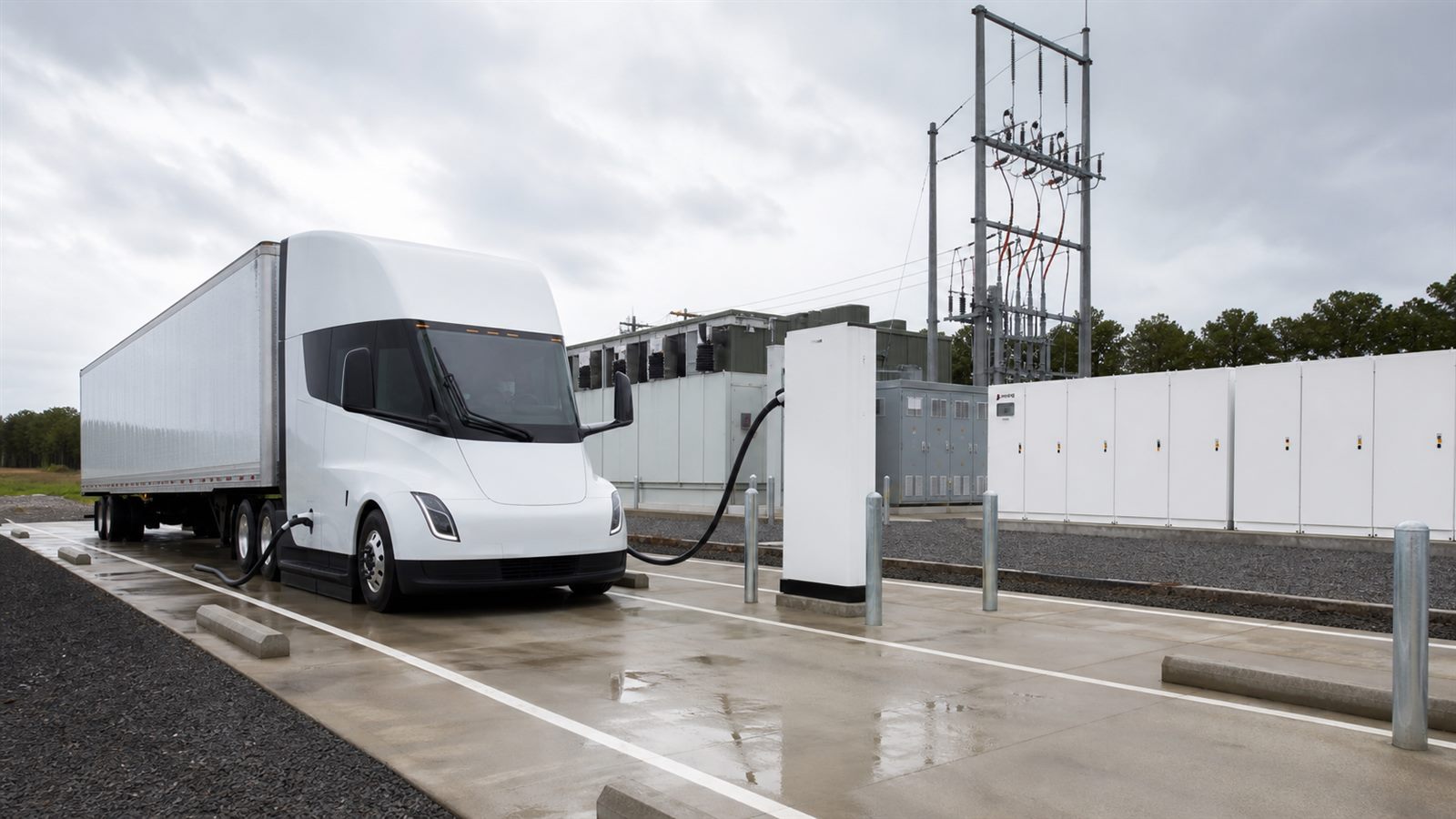
    Charging an electric car is mostly a question of convenience. Charging a battery-electric truck is a question of logistics, electrical engineering, and fleet economics at the same time. A long-haul tractor may need to recover hundreds of kilowatt-hours during a driver break, while a depot may need to prepare many vehicles for the next shift. Conventional fast chargers can do the job slowly, but their power and connector designs were not created for that scale.

    The Megawatt Charging System, or MCS, is being developed to close that gap. It is often described as a bigger plug, yet the connector is only the visible part. A useful megawatt site also needs high-capacity grid service, power conversion, cooling, communications, safe cable handling, traffic space, and software that schedules vehicles around both routes and available electricity.

    Why Heavy Trucks Need a Different Charging System

    A passenger vehicle typically carries a much smaller battery and spends long periods parked. Commercial trucks operate under tighter duty cycles. A fleet earns money when vehicles move goods, so a charge that takes several hours can require more trucks, more parking, or a different operating plan. Higher power can shorten that interruption and make electrification practical on routes that cannot be covered by overnight depot charging alone.

    Power is only one side of the calculation. The energy delivered equals power multiplied by time, and the vehicle will not accept its peak rate throughout the session. Battery temperature, state of charge, cell chemistry, pack voltage, and the truck’s charging curve all affect the result. A nominal one-megawatt charger therefore does not promise one megawatt at every moment or guarantee a particular turnaround time.

    The National Laboratory of the Rockies says the MCS design can support power up to 3.75 megawatts. That upper boundary creates room for future vehicles, but early installations and trucks may operate below it. As with the broader EV charging network, dependable availability and compatible equipment will matter more to fleets than a single headline number.

    The Connector Must Carry High Current Safely

    At megawatt levels, resistance that would be minor in a lower-power charger produces significant heat. The cable and contacts need careful thermal design, and liquid cooling may be used to keep the assembly manageable. The connector must also survive repeated use around rain, dust, road grime, vibration, and workers wearing gloves. Mechanical locking, electrical interlocks, insulation monitoring, and temperature sensing help prevent power from flowing under unsafe conditions.

    SAE International’s J3271 standard addresses more than the physical coupler. Its scope includes communication, electrical and functional requirements, cooling, safety, interoperability, grid interaction, and bidirectional energy transfer. That breadth matters because a vehicle and charger must agree on voltage, current, limits, and session state before large amounts of power move.

    A standard still has to be implemented and tested consistently. Fleets will need evidence that trucks from different manufacturers can charge at different network operators without unreliable handshakes, unexpected derating, or difficult payment and authorization steps. Connector durability and cable ergonomics will become daily operational concerns, not laboratory details.

    A Truck Stop Can Become a Utility-Scale Load

    One charger drawing a megawatt is substantial. A site serving many trucks can resemble an industrial facility. The national-laboratory analysis notes that medium and large stations could require 10 to 20 megawatts or more of grid capacity. Local distribution equipment may not be ready to provide that amount on short notice, especially near highway interchanges that were not built around large electrical loads.

    Site developers may need a new utility feeder, substation equipment, switchgear, transformers, and years of coordination before opening. These upgrades can dominate the schedule even when chargers and vehicles are available. The challenge is not simply generating enough electricity over a year; it is delivering high power at the location and hour when a group of trucks arrives.

    On-site batteries can reduce peaks by charging more slowly from the grid and discharging quickly into vehicles. Solar can contribute energy, but its output may not align with nighttime depot operations or every roadside stop. Neither resource makes the grid connection optional. Instead, storage, generation, and charging controls form a system that can lower demand charges, improve resilience, or defer some upgrades when the operating profile supports it.

    Software Decides Which Truck Gets Power

    A depot rarely needs every truck to charge at maximum power simultaneously. Vehicles have different departure times, routes, battery levels, and energy requirements. Smart scheduling can assign power to the vehicles with the most urgent operational need, then reduce or delay other sessions. This turns a row of chargers into a managed energy system.

    The same principle appears in bidirectional vehicle-to-grid charging, although commercial fleets bring stricter availability requirements. A truck that must leave at 5 a.m. cannot be treated as a flexible grid battery without a firm energy reserve. Operators will need clear rules that protect the route plan before pursuing energy-market revenue.

    Accurate forecasts are valuable: expected arrival, dwell time, required departure charge, electricity price, and site power limit. But the system must also handle late vehicles, damaged chargers, cold batteries, and emergency dispatches. A schedule that works only when every assumption is correct is not operationally robust.

    Layout Is Part of Charging Performance

    Truck geometry changes the station. Large vehicles need wide turning paths, trailer clearance, and preferably pull-through bays that avoid reversing or disconnecting a trailer. The charging inlet location must be reachable without stretching a heavy cable across a traffic lane. Bollards and curbs can protect equipment, but poor placement can make a connector difficult to use.

    Queueing also matters. A theoretically fast charger creates little value if trucks wait behind other vehicles or find a blocked bay. Designers need to model arrival patterns, session duration, charger outages, and seasonal peaks. Restrooms, lighting, security, and driver access are practical parts of the experience, particularly when charging overlaps with regulated breaks.

    Public Funding Is Testing More Than Hardware

    The U.S. Department of Energy has funded heavy-duty charging projects that examine high-power depots and corridor hubs, including demonstrations in the multi-megawatt range. DOE’s Electric Vehicles at Scale Consortium also studies the combined effects on vehicles, infrastructure, controls, cybersecurity, and the grid. These programs are useful because the unanswered questions sit between industries that have traditionally planned separately.

    Utilities need credible load forecasts. Fleets need predictable interconnection dates and tariffs. Truck makers need charging curves and thermal systems that match route needs. Charging operators need utilization high enough to support expensive sites. Coordinated pilots can reveal which assumptions survive real scheduling and weather, without pretending that one demonstration proves a universal business case.

    Limits and Trade-Offs

    Higher charging power is not free. It can require costlier equipment, larger grid connections, more cooling, and battery designs able to accept rapid energy without excessive degradation. The best solution for a return-to-base delivery fleet may remain lower-power overnight charging. Megawatt charging is most valuable where time is genuinely constrained, such as long-haul corridors, intensive multi-shift operations, or vehicles with very large batteries.

    Infrastructure also has to arrive ahead of demand without sitting mostly unused for too long. A phased site can install conduits, foundations, and electrical room capacity early, then add dispensers as vehicle volume grows. Open standards reduce the risk of locking that long-lived investment to one vehicle brand or charging provider.

    What to Watch Next

    Watch for interoperable production trucks and chargers, published reliability data, utility interconnection timelines, and transparent prices for fleet charging. The strongest projects will report energy delivered, station uptime, queue time, peak grid demand, and how often vehicles actually reach high power, rather than highlighting only a charger’s rated maximum.

    Megawatt charging shows why the transition to electric transport depends on the software and control layer of the power grid as much as on better batteries. The plug may be the part a driver touches, but successful electric trucking will be built around the entire system behind it.

    Sources and Further Reading

  • Vehicle-to-Grid Charging Could Turn Parked EVs Into Energy Assets

    Vehicle-to-Grid Charging Could Turn Parked EVs Into Energy Assets

    An electric vehicle spends much of its life parked with a large battery connected to nothing. Bidirectional charging changes that relationship. Instead of only drawing electricity from a charger, a compatible vehicle can send power to a home, building, microgrid, or utility system. At sufficient scale, parked EVs could become flexible energy assets as well as transportation.

    The idea is technically proven, but the market is not yet simple or universal. A vehicle-to-grid system needs compatible hardware, software, utility rules, communications standards, customer incentives, and a plan that keeps the vehicle ready to drive. In the United States, a 2025 Department of Energy assessment described most bidirectional deployments as demonstrations or niche uses rather than a mainstream grid resource.

    V1G, V2H, V2B, and V2G Are Different

    Managed charging, sometimes called V1G, controls when or how quickly an EV charges. The power still flows in one direction, but the vehicle can avoid expensive peak periods, respond to grid conditions, or use more electricity when renewable generation is abundant.

    Vehicle-to-home and vehicle-to-building systems send power from the battery to local loads. They can provide backup electricity during an outage or reduce a building’s peak demand. These behind-the-meter uses may be easier to deploy because the vehicle is not continuously selling power into a wider electricity market.

    Vehicle-to-grid, or V2G, allows coordinated discharge into the electric system. A utility or aggregator might call on many vehicles to reduce demand, absorb excess energy earlier, or provide a grid service. The value comes from coordination: one car is a modest resource, while hundreds of connected vehicles can behave like a distributed power plant.

    What the Grid Can Gain

    Electricity demand changes throughout the day. Solar and wind output also vary. Flexible EV charging can move demand away from stressed hours. Bidirectional charging adds the option to discharge stored energy when it is more useful, then recharge later.

    For a building, that can mean lowering demand charges, using more on-site solar, or maintaining critical loads during an outage. For a grid operator, aggregated vehicles could participate in demand response or other programs where local rules allow it. The Department of Energy notes that bidirectional vehicles can complement solar arrays, stationary storage, and microgrids.

    This is not a replacement for transmission, long-duration storage, or conventional generation. EV batteries are mobile, their owners need them for travel, and most are not connected all the time. They are best viewed as one flexible layer in the broader system described in our articles on grid software and long-duration energy storage.

    The Hardware Has to Support Reverse Power

    A bidirectional system starts with a vehicle whose battery, power electronics, and software allow discharge through an approved interface. It also requires a compatible charger or inverter. A standard charger designed only to send power into a battery cannot automatically operate in reverse.

    Building wiring, transfer equipment, protection systems, and utility interconnection requirements matter as well. Backup power must disconnect safely from the wider grid during an outage so it does not energize lines where workers expect no voltage. Grid-connected export must meet local electrical and utility rules.

    The ISO 15118 family defines high-level communication between an EV and charging equipment, including use cases for energy transfer from the vehicle to a home, load, or grid. A standard is an important foundation, but equipment from different vendors still needs testing for real interoperability.

    Fleets May Have the Strongest Early Business Case

    School buses, delivery vans, municipal vehicles, and workplace fleets often follow predictable schedules and return to known depots. An operator knows when each vehicle must leave, how much energy the route requires, and how many batteries are connected. That predictability makes managed charging and limited discharge easier to plan.

    A fleet may also pay demand charges based on its highest power use. Coordinating chargers can avoid a large simultaneous peak, reducing the need for an expensive electrical upgrade. If utility programs compensate discharge or demand reduction, the fleet may earn additional value without compromising the transportation mission.

    Private cars are less predictable. A household may plug in at different times and need an unexpected trip. Any consumer program should allow a minimum state of charge, a required departure time, and a simple opt-out.

    Battery Wear Is Real but Manageable

    Charging and discharging contribute to battery degradation. The effect depends on temperature, power level, depth of discharge, battery chemistry, age, and how the control system operates. A program that repeatedly drains a battery deeply is different from one that makes small adjustments within a protected range.

    Compensation must reflect that tradeoff. Vehicle owners will expect the value of grid participation to exceed any added wear, inconvenience, or warranty risk. Automakers also need clear warranty terms for approved bidirectional use.

    There can be a positive side: managed charging that avoids keeping a battery at an extreme state of charge or high temperature may be gentler than uncontrolled charging. The right comparison is between complete operating strategies, not simply “V2G” versus “no battery use.”

    Software, Cybersecurity, and Privacy Matter

    A coordinated charging system knows when vehicles are connected, their energy needs, and often when they are expected to leave. That information can reveal travel and work patterns. Operators should minimize collection, protect accounts, encrypt communications, and define who can issue charge or discharge commands.

    Security failures could affect transportation and electricity simultaneously. Authentication, signed software updates, segmented networks, safe defaults, monitoring, and recovery procedures are therefore part of the infrastructure, not optional add-ons.

    What Drivers Should Check

    A vehicle advertised as capable of powering appliances is not necessarily approved for whole-home backup or grid export. Buyers should confirm the exact vehicle model, charger, installation equipment, software, utility program, permit requirements, warranty terms, and maximum output.

    They should also ask what happens during an outage, whether the system can operate with rooftop solar, how much battery reserve the owner controls, and whether a subscription or aggregator contract is required. Those checks extend the practical advice in our guide to EV charging networks.

    What to Watch Next

    Watch for vehicles and chargers that support common standards, simpler interconnection approvals, transparent utility tariffs, independent interoperability tests, and warranties that explicitly address bidirectional operation. Fleet deployments will show whether aggregated batteries can deliver reliable grid services over years rather than during a short pilot.

    Vehicle-to-grid charging turns the EV transition into an energy-system opportunity, but only when transportation needs come first. The useful version is coordinated, secure, interoperable, and financially clear to the people providing the batteries.

    Sources and Further Reading

  • Autonomous Delivery: Why Logistics May Adopt Autonomy First

    Autonomous Delivery: Why Logistics May Adopt Autonomy First

    Autonomous vehicles are often imagined as personal robotaxis, but logistics may adopt autonomy earlier in many places. Delivery and industrial routes can be more structured, measurable, and economically clear.

    Why It Matters

    Logistics companies care about utilization, routing, labor availability, safety, and cost per delivery. If autonomy can solve a specific route or environment reliably, it can create value without needing to handle every road situation.

    Where It Shows Up

    Autonomous delivery can include sidewalk robots, warehouse vehicles, yard trucks, port equipment, highway trucking assistance, drones, and campus shuttles. Each application has different regulatory and safety requirements.

    What to Watch

    • Constrained environments with repeatable routes
    • Remote monitoring and fallback operations
    • Insurance and liability frameworks
    • Public acceptance in neighborhoods and cities

    Autonomy will likely spread unevenly. The first big wins may happen where the route is clear, the business case is strong, and the environment can be managed.

    Category: Future Transportation. This article is part of Frontier Technology Portal’s plain-English guide to the technologies shaping the next decade.

  • EV Charging Networks: The Infrastructure Behind Adoption

    EV Charging Networks: The Infrastructure Behind Adoption

    Electric vehicles are improving quickly, but adoption depends on more than the vehicle. Drivers need confidence that charging will be available when and where they need it.

    Why It Matters

    Charging infrastructure affects range anxiety, road trips, apartment living, commercial fleets, grid planning, and consumer trust. A good charging network feels boring: it works, it is easy to find, and payment is simple.

    Where It Shows Up

    Infrastructure includes home charging, workplace charging, public fast charging, fleet depots, grid upgrades, software, pricing, maintenance, and station reliability. The user experience matters as much as plug count.

    What to Watch

    • Charger uptime and maintenance transparency
    • Standardized connectors and payment systems
    • Charging for apartments and urban drivers
    • Grid upgrades for high-power charging corridors

    EV adoption will accelerate when charging becomes ordinary. The infrastructure behind the vehicle is just as important as the vehicle itself.

    Category: Future Transportation. This article is part of Frontier Technology Portal’s plain-English guide to the technologies shaping the next decade.

  • Future Transportation: Electric, Autonomous, and Connected Systems

    Future Transportation: Electric, Autonomous, and Connected Systems

    Transportation technology is changing across several layers at once: electric drivetrains, batteries, charging networks, autonomous systems, software-defined vehicles, logistics platforms, aviation experiments, and connected infrastructure.

    The future is not a single vehicle. It is a system of vehicles, energy, data, roads, rules, and user behavior.

    Electrification Is the Foundation

    Electric vehicles reduce mechanical complexity and create new possibilities for software control, maintenance, performance, and energy integration. Battery cost, charging speed, range, grid capacity, and raw materials remain important constraints.

    Autonomy Is a Harder Problem

    Autonomous driving requires perception, prediction, planning, mapping, safety validation, and regulatory approval. Some controlled environments are easier than open city streets. This is why autonomy may spread first in warehouses, mines, ports, highways, delivery routes, shuttles, and specific robotaxi zones.

    Connected Mobility

    Vehicles are becoming connected computing platforms. Software updates, fleet analytics, driver assistance, infotainment, charging optimization, and insurance models all depend on data. That creates value but also raises cybersecurity and privacy questions.

    What to Watch

    • Charging infrastructure and grid readiness.
    • Battery chemistry and recycling.
    • Autonomy in constrained commercial environments.
    • Electric aviation and advanced air mobility pilots.
    • Cybersecurity for connected vehicles.

    Future transportation will be judged by reliability, cost, safety, convenience, and infrastructure. Technology must fit the physical world, not just impress in a prototype.