
Clean energy projects do not become power plants the moment a developer finds land, orders equipment, and signs a contract. They must connect to the grid. In the United States and Europe, that interconnection process has become one of the least glamorous but most important bottlenecks in the energy transition.
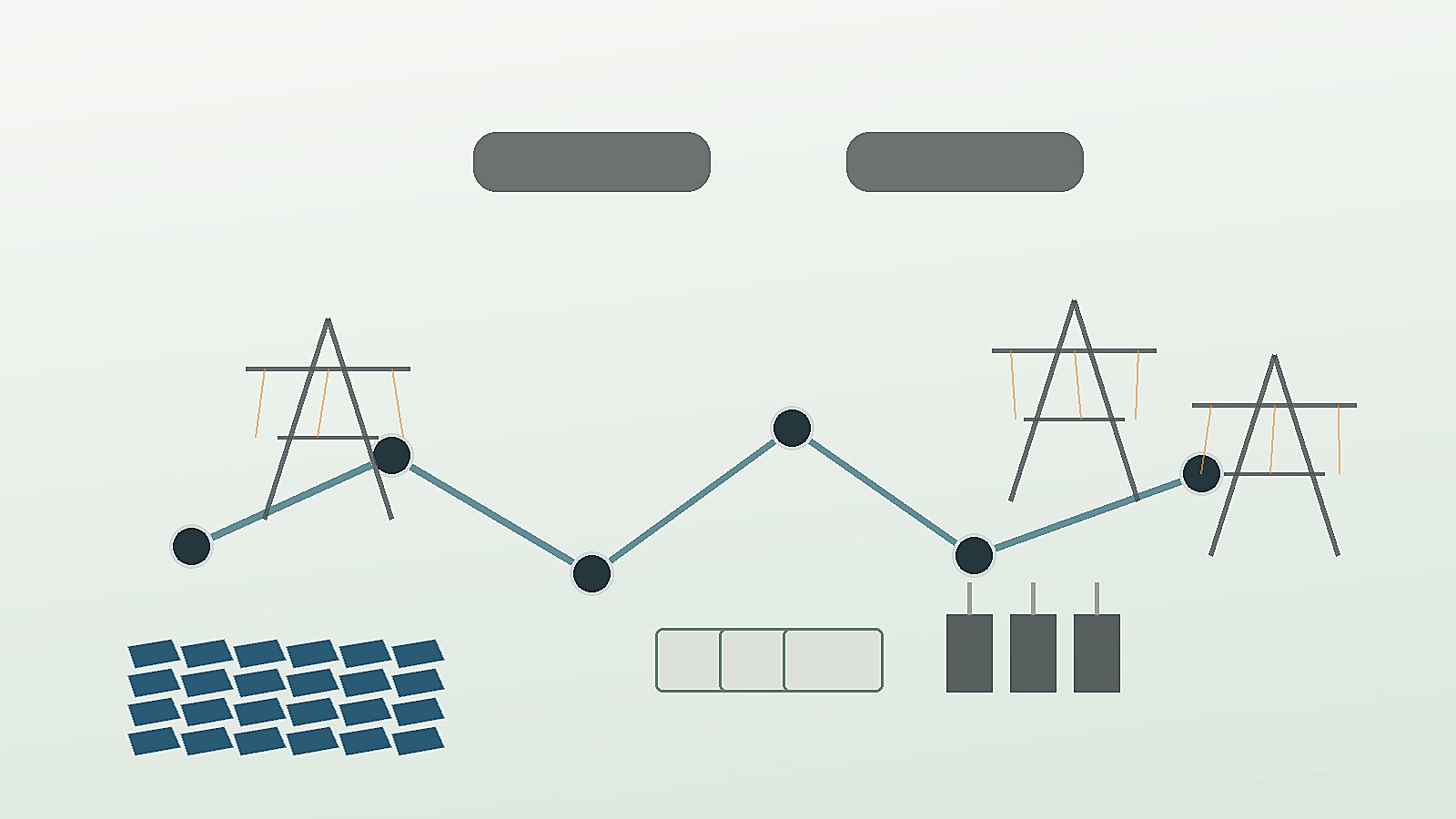
An interconnection queue is the waiting room where proposed solar, wind, battery, and hybrid projects ask grid operators for permission to connect. The queue decides what studies must be done, what upgrades are needed, how much they may cost, and when a project can safely deliver electricity.
The Queue Is a Reality Check
Developers often announce large pipelines, but queued capacity is not the same as finished capacity. Many projects withdraw after studies reveal upgrade costs, financing changes, permitting delays, equipment problems, or stronger competition from other projects. A crowded queue can signal market interest and grid stress at the same time.
Lawrence Berkeley National Laboratory’s interconnection queue research tracks the scale and composition of proposed generation and storage waiting for grid connection in the United States. The data repeatedly shows that queued capacity is much larger than annual buildout, especially for solar, wind, and battery storage.
That gap does not mean the projects are fake. It means the grid has become a scarce platform. The bottleneck is not only panels, turbines, or batteries. It is studies, substations, transmission lines, protection equipment, engineering staff, and rules for deciding who pays for upgrades.
Why Connection Studies Take Time
Grid operators need to know whether a new project will overload lines, violate voltage limits, create protection problems, or require new equipment. They also need to study interactions among projects that are close together electrically. One project may look simple alone and complicated when hundreds of nearby requests arrive at once.
Traditional study processes were built for a smaller number of large power plants. Today, many queues include solar farms, batteries, wind projects, hybrid plants, and repowering proposals in clusters. That creates a moving target. When one project withdraws, the cost allocation and technical assumptions for others may change.
The problem connects directly to our earlier discussion of why grid software is becoming as important as power plants. Better modeling, data sharing, and workflow automation can reduce friction, but they cannot eliminate the need for engineering judgment.
Batteries Change the Math
Battery storage can help the grid by shifting energy, reducing peak stress, and providing fast services. It can also complicate interconnection studies because a battery can both consume and inject power. Its operating profile matters. A battery charging during low-demand periods may ease congestion, while one exporting during a local peak may worsen it.
Hybrid projects, such as solar-plus-storage plants, make the question even more important. The physical equipment may have more combined capability than the project plans to export. Grid operators need enforceable operating limits, controls, and telemetry so the modeled behavior matches the real plant.
This is one reason grid-forming inverters and advanced controls matter. The connection study of the future will increasingly examine not just how many megawatts a project can deliver, but how inverter-based resources behave during disturbances.
Policy Reform Is Moving, but Results Take Time
In the United States, the Federal Energy Regulatory Commission’s Order No. 2023 reforms generator interconnection procedures by shifting toward first-ready, first-served cluster studies, stricter readiness requirements, and penalties for certain study delays. The aim is to reduce speculative queue entries and speed serious projects.
Reform does not instantly create transformers, transmission capacity, or experienced engineers. It changes the process by which projects are studied and filtered. The benefits depend on implementation by regional transmission organizations, utilities, developers, and regulators.
Europe faces related issues through different market structures. Grid expansion, permitting, and connection rules vary by country, but the broad pattern is similar: clean energy deployment increasingly depends on the ability to connect new resources at the speed the market wants to build them.
Transmission Is the Long Game
Some congestion can be handled with software, storage, reconductoring, dynamic line ratings, or operational changes. Other bottlenecks require new transmission. Large lines take years to plan, permit, finance, and build. When many projects want to connect in a resource-rich area with limited export capacity, study reform alone cannot solve the physics.
The International Energy Agency’s Electricity Grids and Secure Energy Transitions report warns that grids must expand and modernize to support electrification and renewable deployment. Interconnection queues are one visible symptom of that broader investment need.
This also affects long-duration energy storage. Storage can reduce some local constraints, but its value depends on where it connects and what the surrounding network can actually deliver.
What Developers Can Do
Developers can improve their odds by choosing sites with realistic grid capacity, submitting mature projects, securing land control, designing flexible operating modes, and understanding likely network upgrade costs before entering the queue. Speculative applications can slow everyone down and may now face tougher readiness screens.
Better project design also helps. A smaller interconnection request with firm controls may be more viable than a larger request that triggers expensive upgrades. Batteries can be configured to avoid exporting during constrained periods. Projects can share infrastructure when rules and commercial agreements allow it.
None of that guarantees approval. Interconnection is still shaped by regional grid conditions, local opposition, equipment lead times, and policy decisions. But serious, well-documented projects are easier to study and less likely to collapse when costs become clear.
What Consumers Should Watch
For ordinary electricity users, interconnection queues are a useful reality check on clean-energy headlines. A region can have enormous proposed capacity and still struggle to bring projects online. The question is not simply how much clean generation has been announced, but how quickly viable projects are being connected.
Watch queue withdrawal rates, average study times, transmission buildout, transformer availability, and whether storage projects receive operating rules that reflect their actual flexibility. Clean energy is increasingly a grid-delivery story. The panels and turbines matter, but the connection process decides when their electricity reaches the system.
Leave a Reply