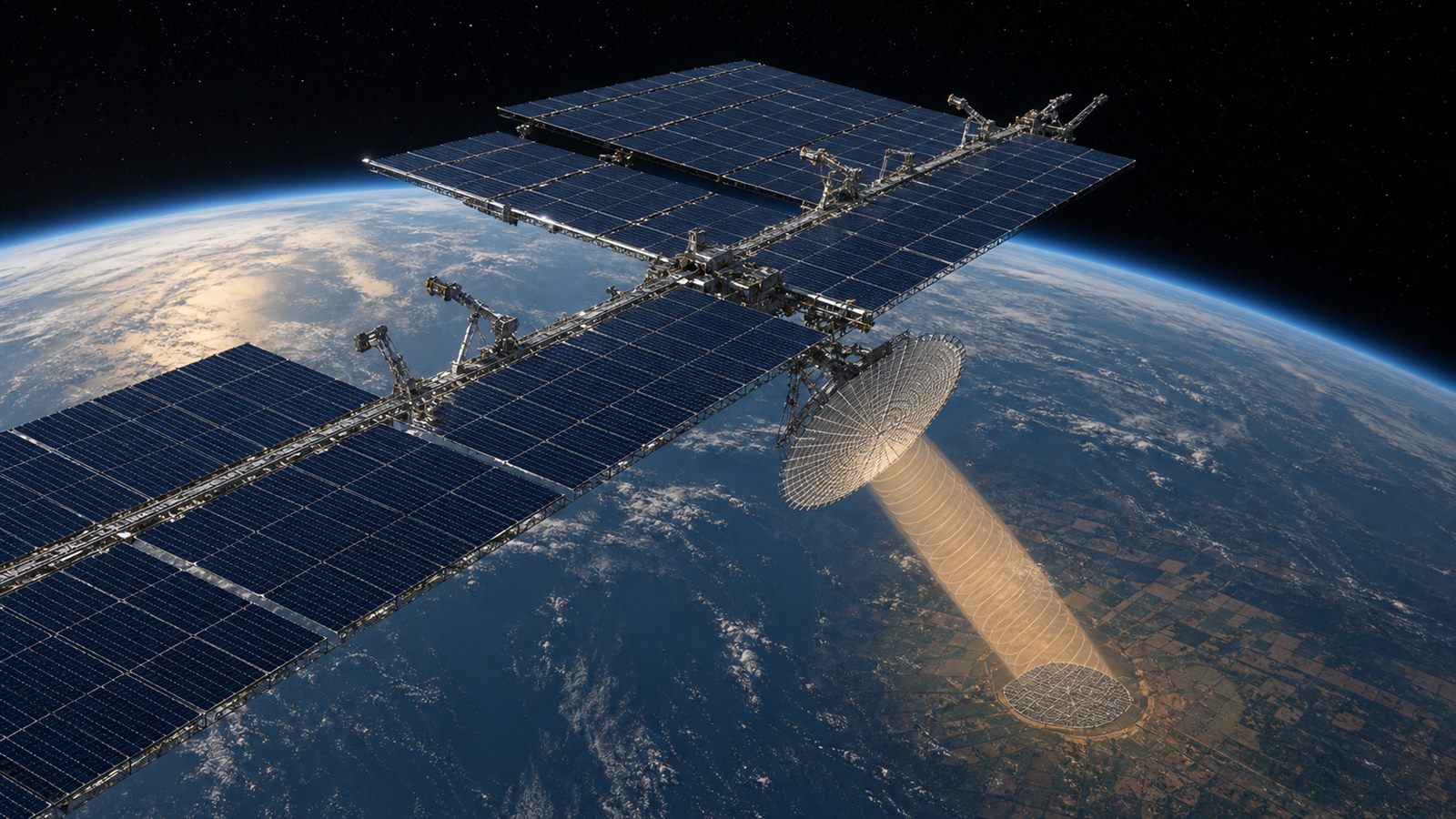
Space-Based Solar Power Has a Physics Case and an Infrastructure Problem
Orbital solar power needs efficient wireless transmission, vast structures, robotic assembly, ground receivers, debris planning, and competitive lifecycle costs.

Orbital solar power needs efficient wireless transmission, vast structures, robotic assembly, ground receivers, debris planning, and competitive lifecycle costs.
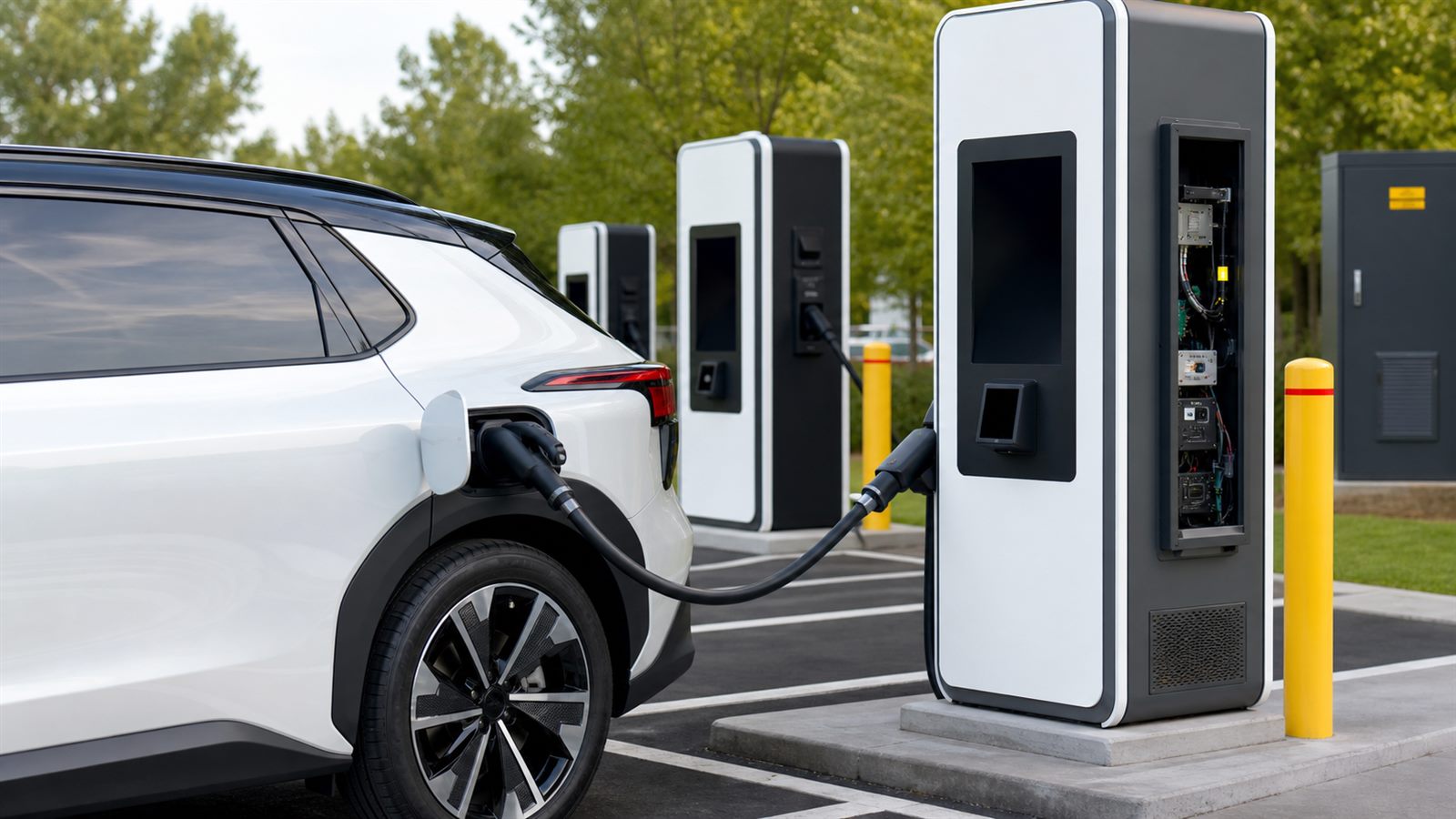
Reliable public charging requires successful starts, useful power delivery, working payments, normal session endings, and accurate real-time status.
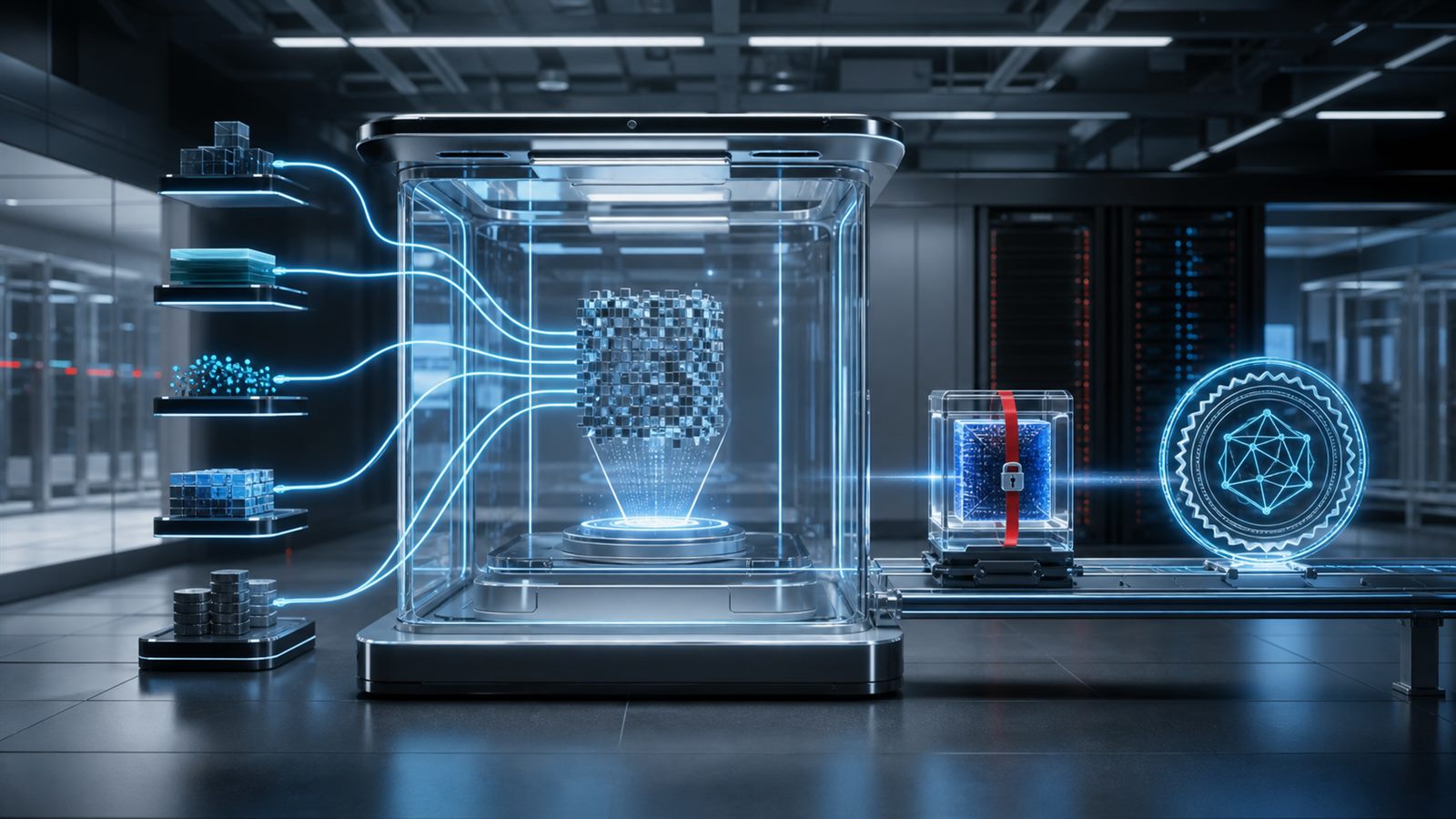
Signed build provenance can link software to an expected source and workflow, but it cannot replace secure design, testing, and verification policy.
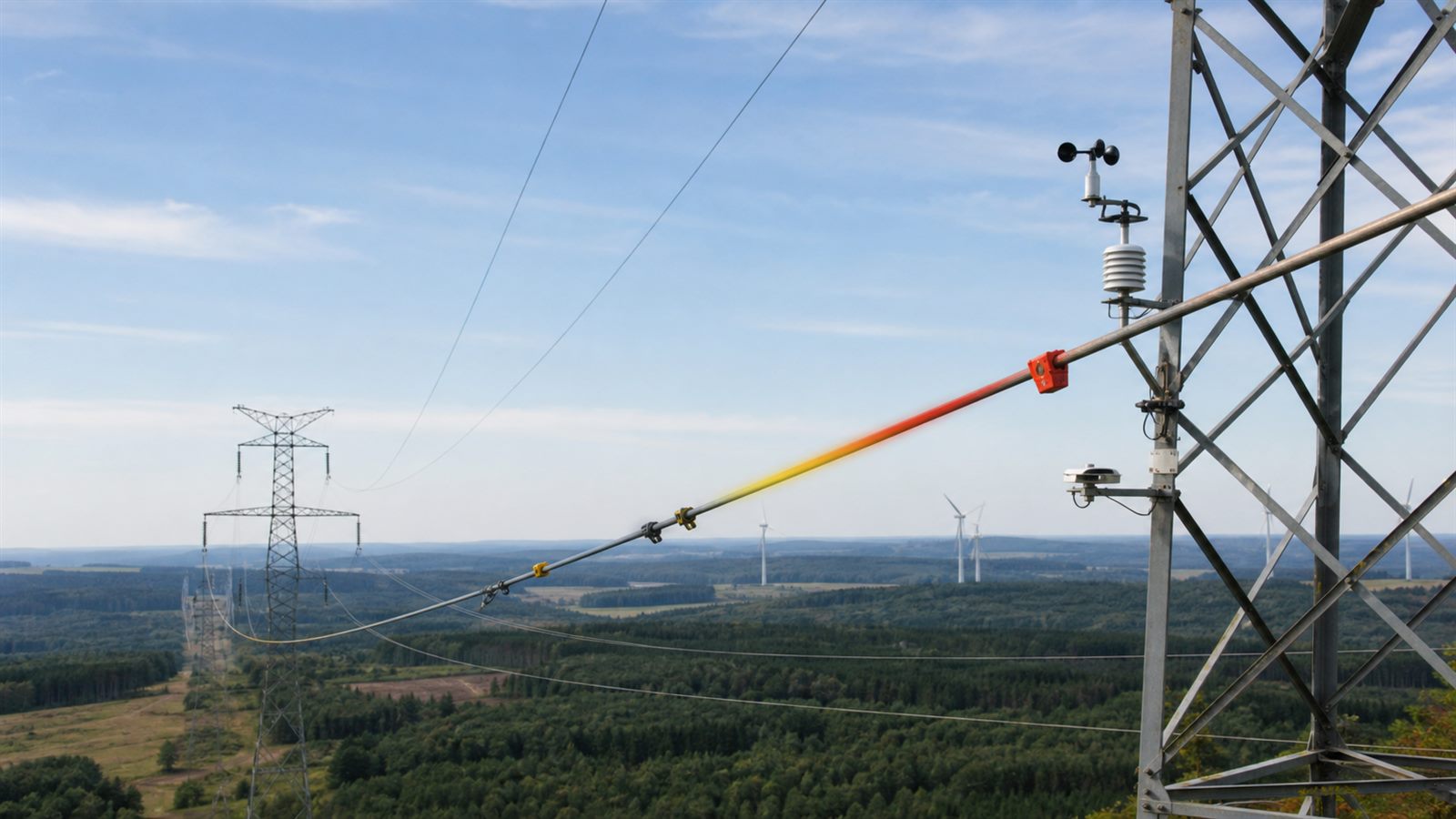
Weather, sag, and conductor sensors can reveal safe transmission capacity, but telemetry and dynamic ratings cannot remove every grid bottleneck.

Fault-tolerant quantum applications need physical-qubit, runtime, error-correction, magic-state, control, and classical-computing estimates.

Genetically engineered pig organs require regulated trials, consistent donor herds, immune monitoring, pathogen surveillance, and long-term evidence.
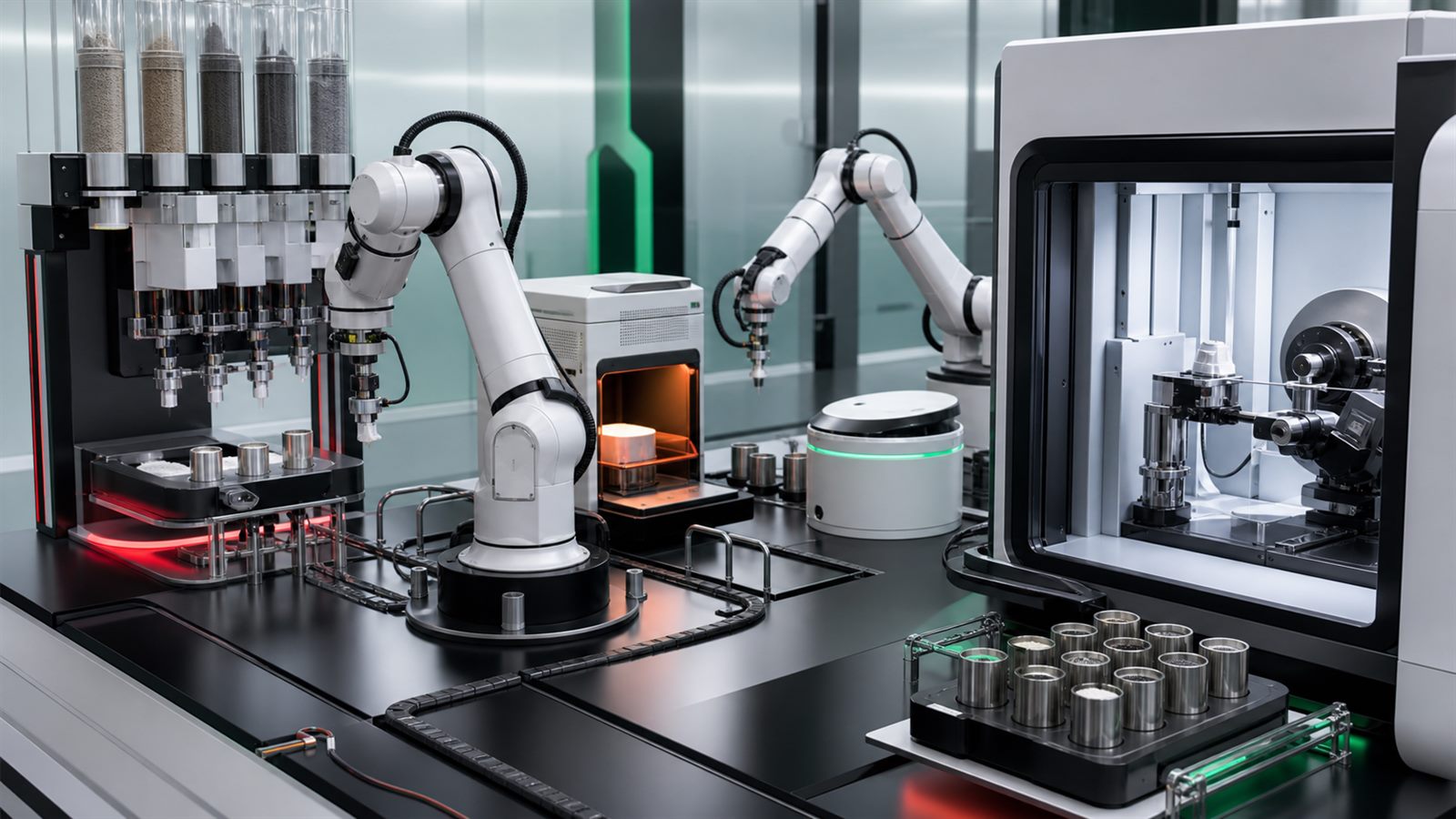
Autonomous laboratories need standard instrument control, sample provenance, AI-ready metadata, safety boundaries, and reproducible experimental decisions.
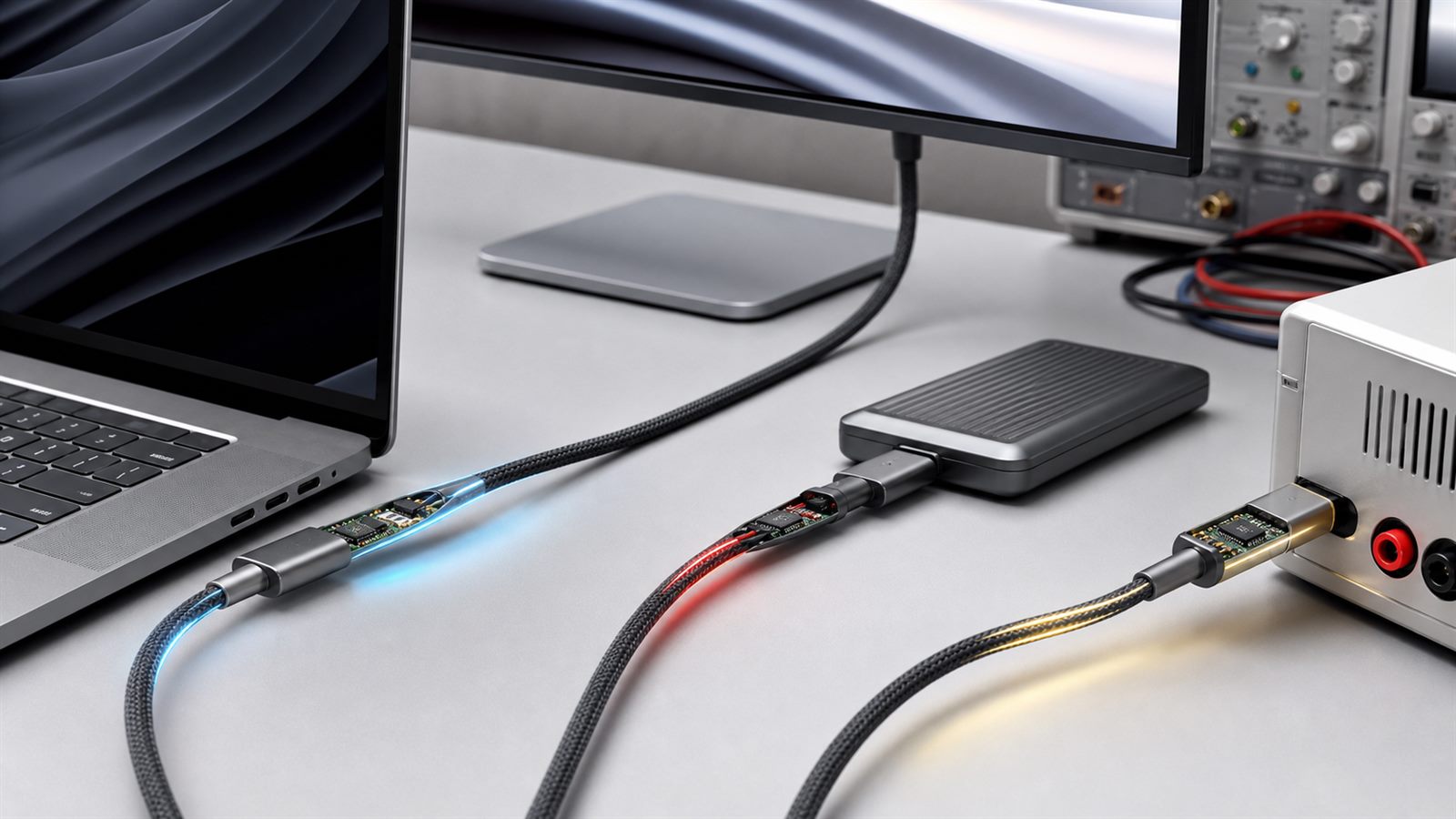
USB-C defines a reversible connector, while data speed, charging wattage, and video output still depend on the host, device, cable, and protocol.
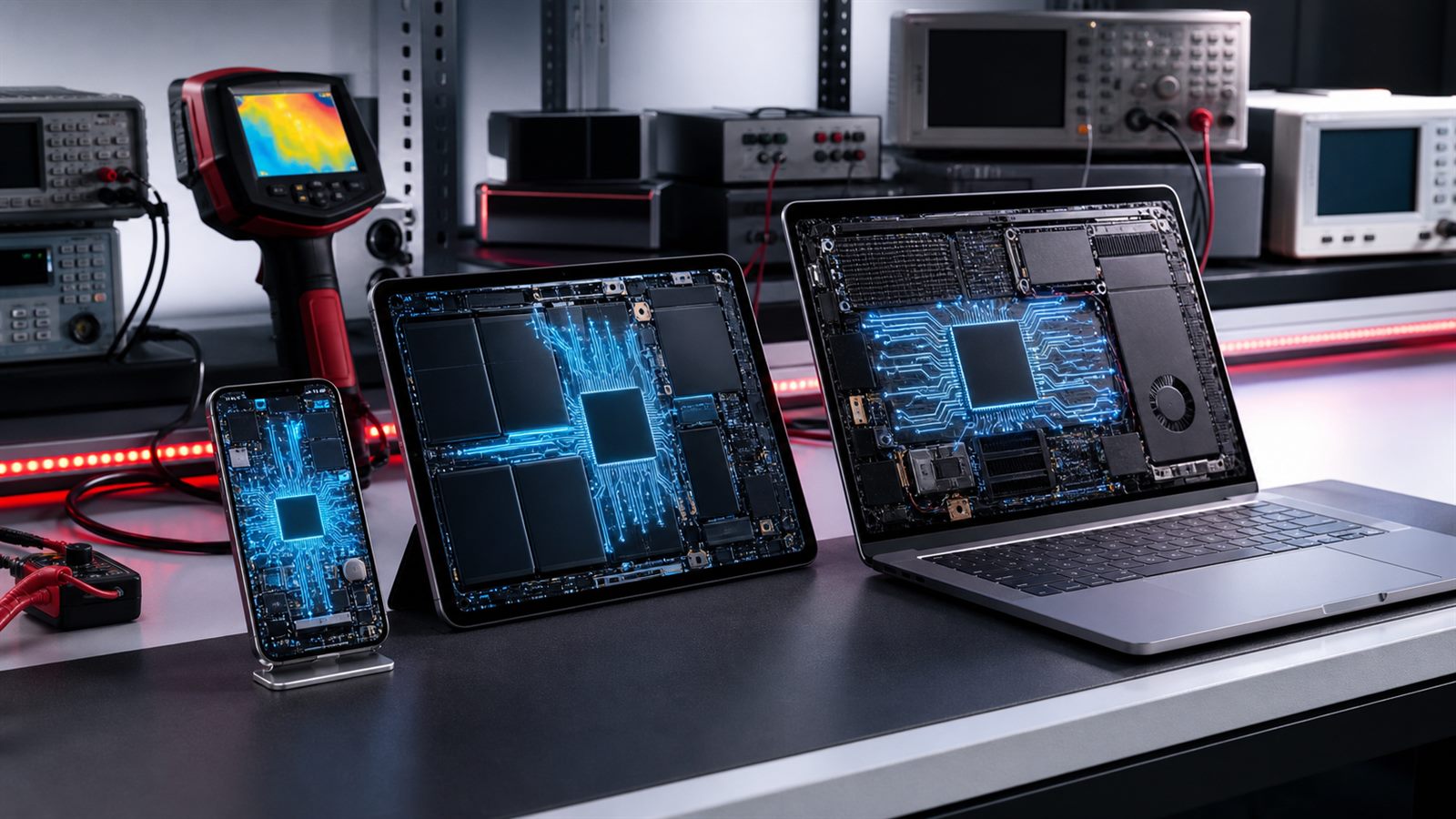
Peak TOPS cannot describe the quality, memory use, heat, battery cost, and sustained responsiveness of generative AI running on a personal device.
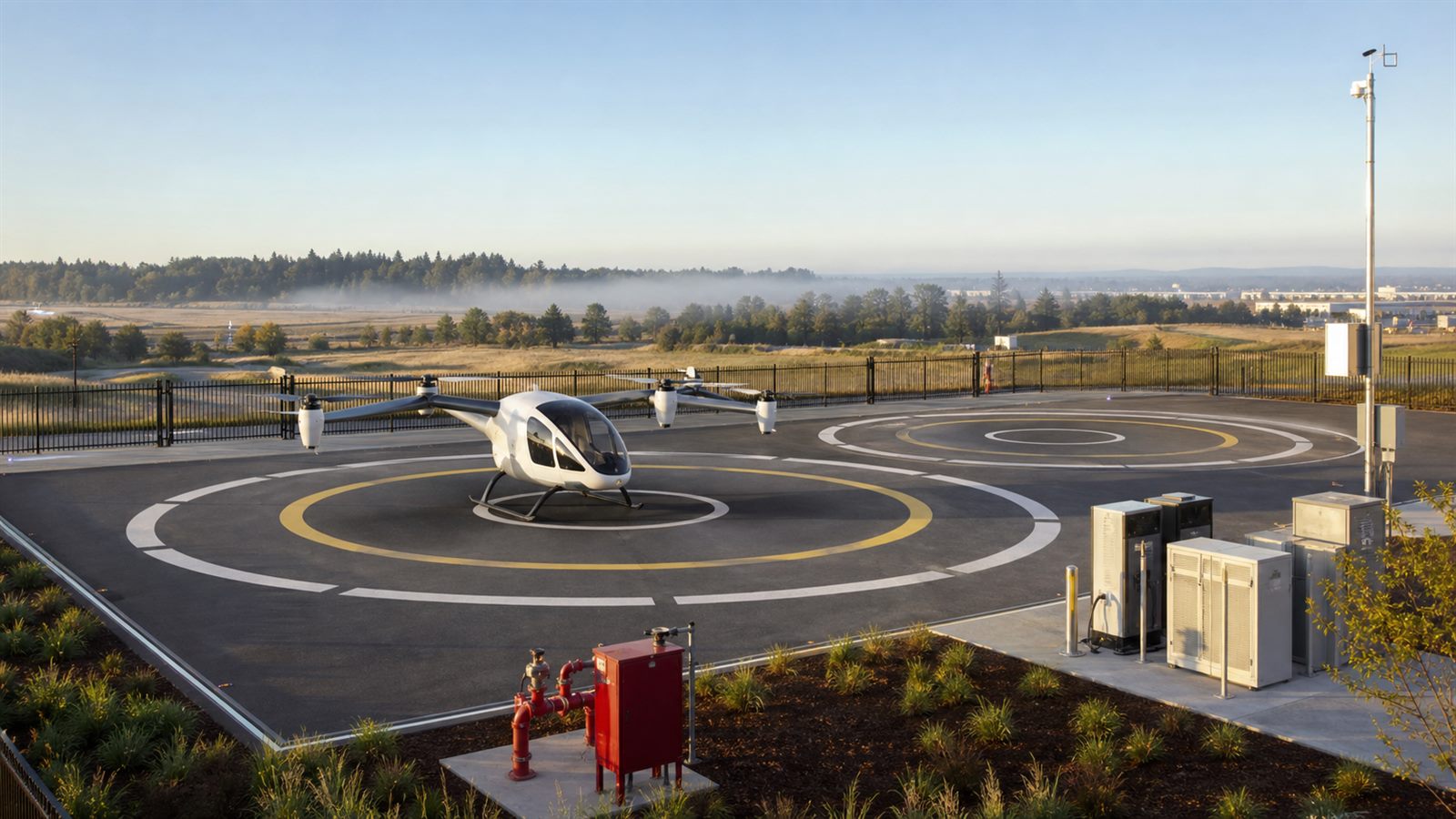
Electric air taxis need vertiports with safe approaches, power, charging, emergency access, airspace integration, and community acceptance.