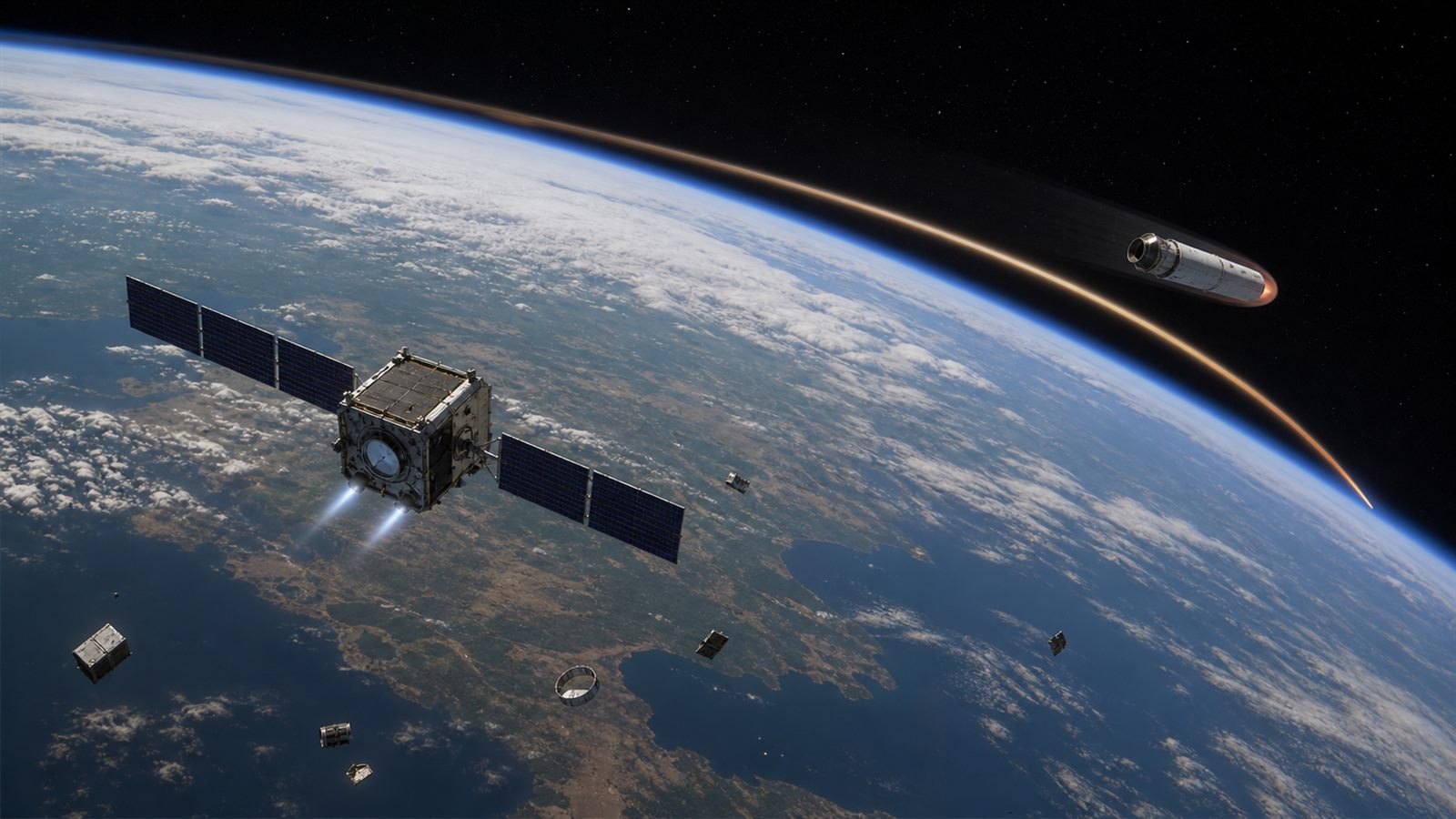
Orbital Debris Mitigation Is Becoming a Spacecraft Design Requirement
Passivation, collision avoidance, reliable disposal, and active removal are turning orbital sustainability into a core spacecraft engineering discipline.

Passivation, collision avoidance, reliable disposal, and active removal are turning orbital sustainability into a core spacecraft engineering discipline.

Passkeys remove reusable passwords and resist phishing, but secure recovery, device management, and fallback methods still determine account safety.

New US rules allow location-aware 6 GHz devices to use more power outdoors while geofencing protects licensed microwave links.
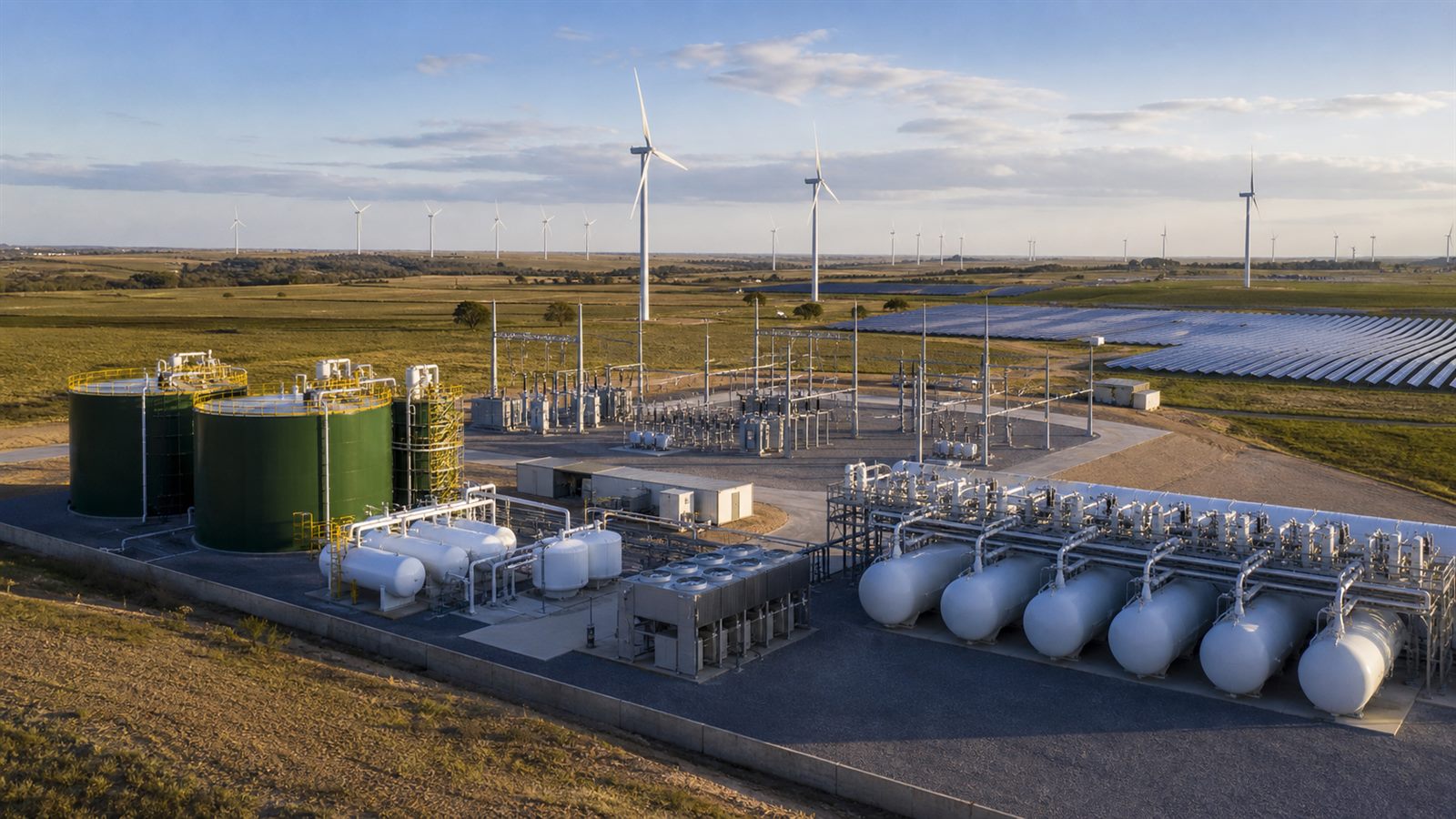
Long-duration energy storage spans batteries, thermal systems, and mechanical technologies chosen for specific grid needs, locations, and time scales.

A2A and MCP can connect agents, tools, and data across platforms, but interoperability still needs identity, permissions, testing, and human control.
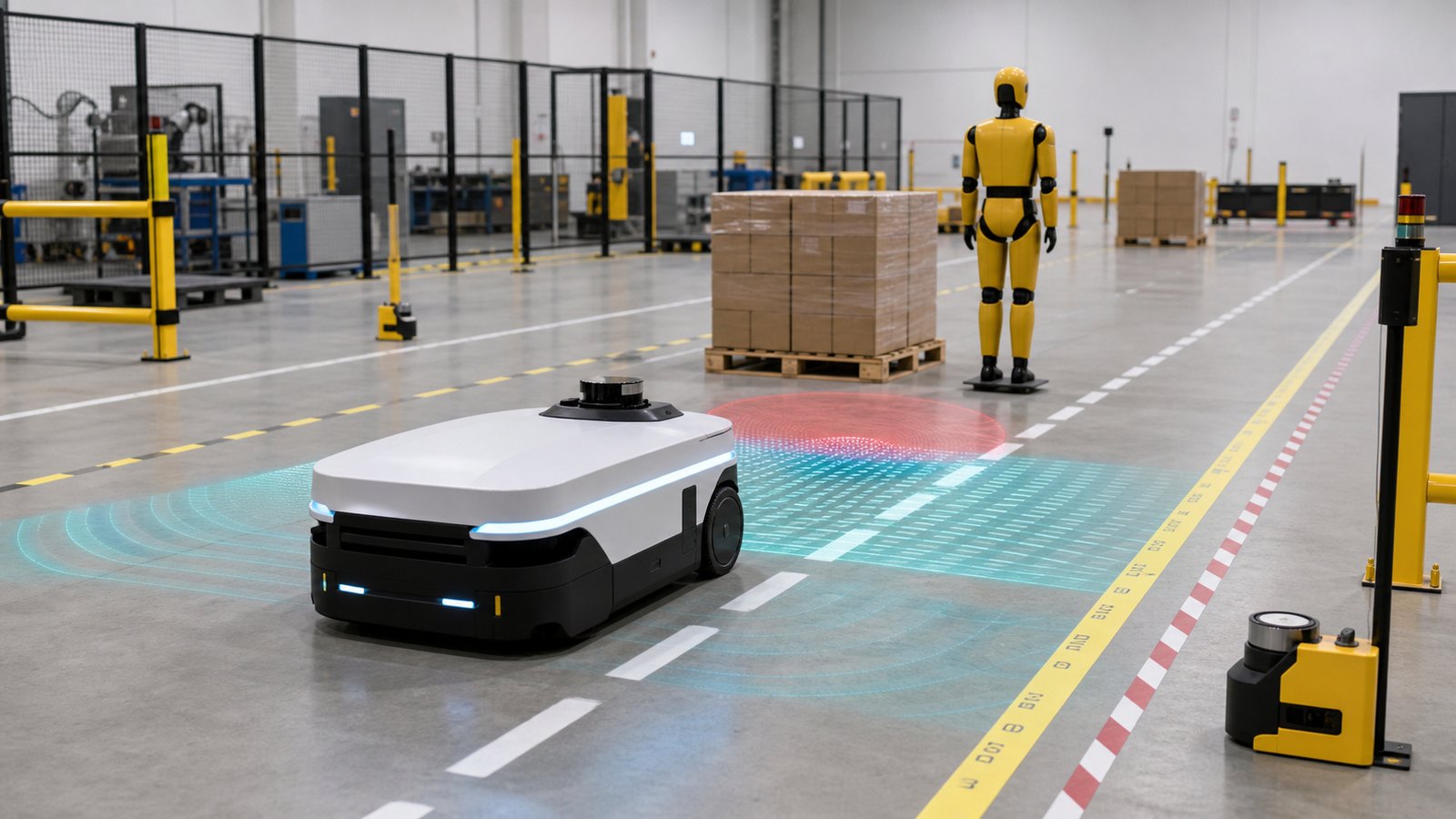
Autonomous mobile robots can improve warehouse work, but safe deployment depends on standards, operating environments, interoperability, and repeatable tests.
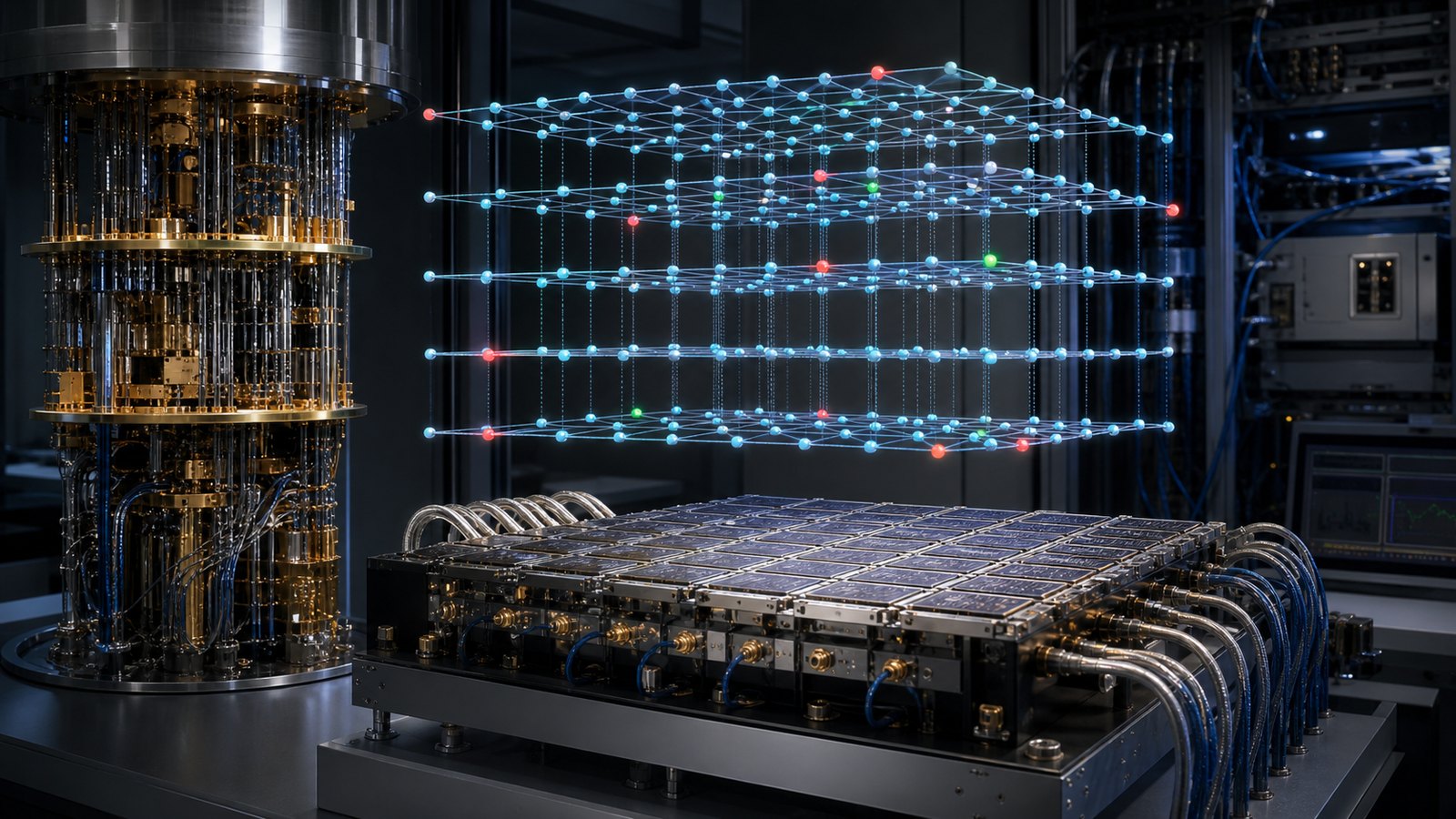
Quantum error correction is shifting from theory toward measurable engineering, where logical qubits must improve as physical qubits are added.

Spatial proteomics keeps location attached to protein measurements, giving biotech researchers richer maps of tissue structure, disease, and treatment response.

Electric road systems could help heavy trucks charge while moving, but the technology depends on standards, utilization, maintenance, and corridor economics.
Continuous threat exposure management helps security teams move beyond long vulnerability lists toward repeatable discovery, prioritization, validation, and risk reduction.