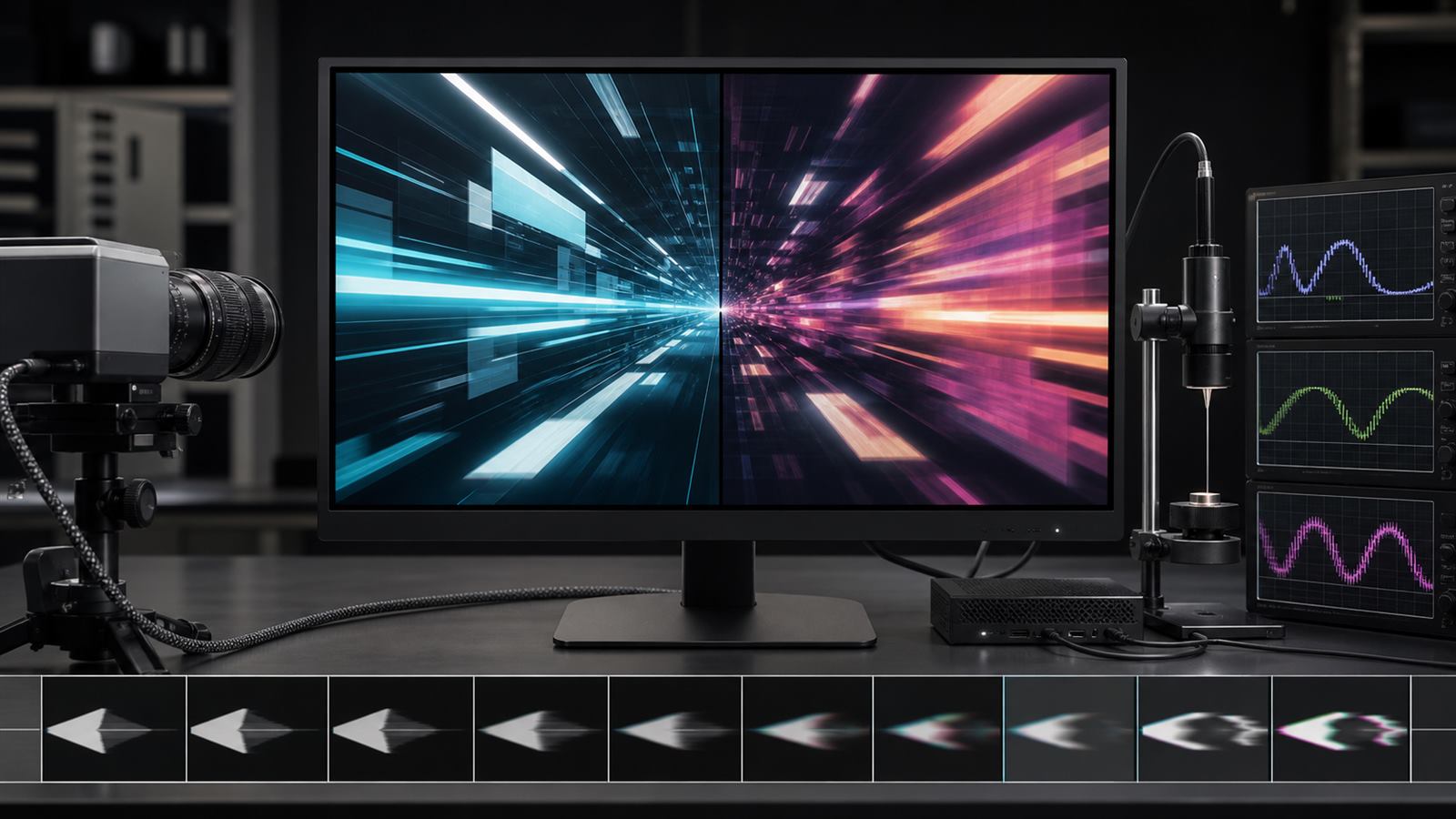
Variable Refresh Rate Needs More Than a High Maximum Number
A high refresh-rate ceiling does not guarantee smooth motion. VRR quality also depends on operating range, flicker, pixel response, overdrive, frame pacing, and latency.

A high refresh-rate ceiling does not guarantee smooth motion. VRR quality also depends on operating range, flicker, pixel response, overdrive, frame pacing, and latency.
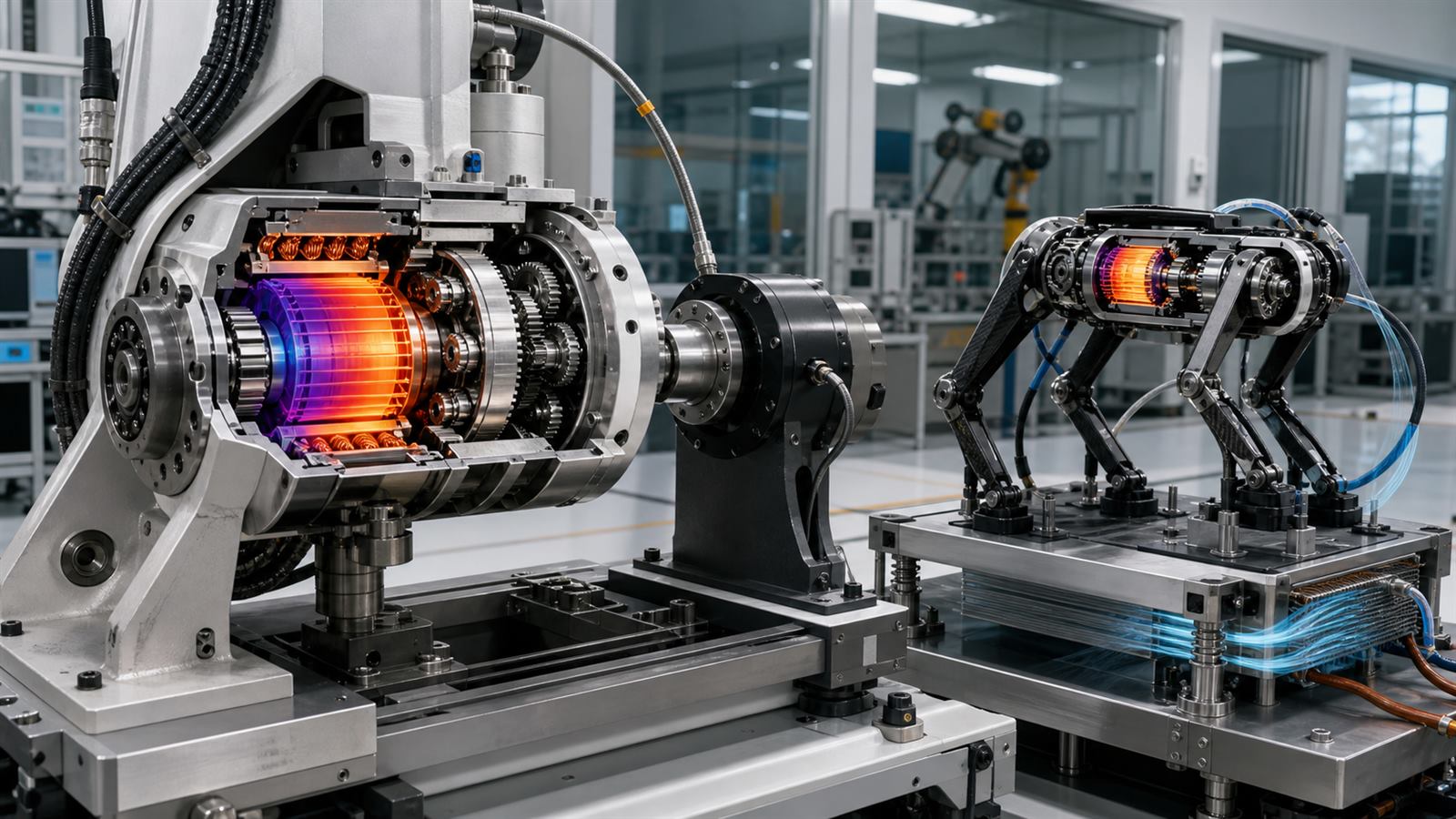
Peak torque describes a short burst. Useful robot-joint specifications also need continuous torque, duty cycle, heat, speed, gearing, backdrivability, and endurance data.
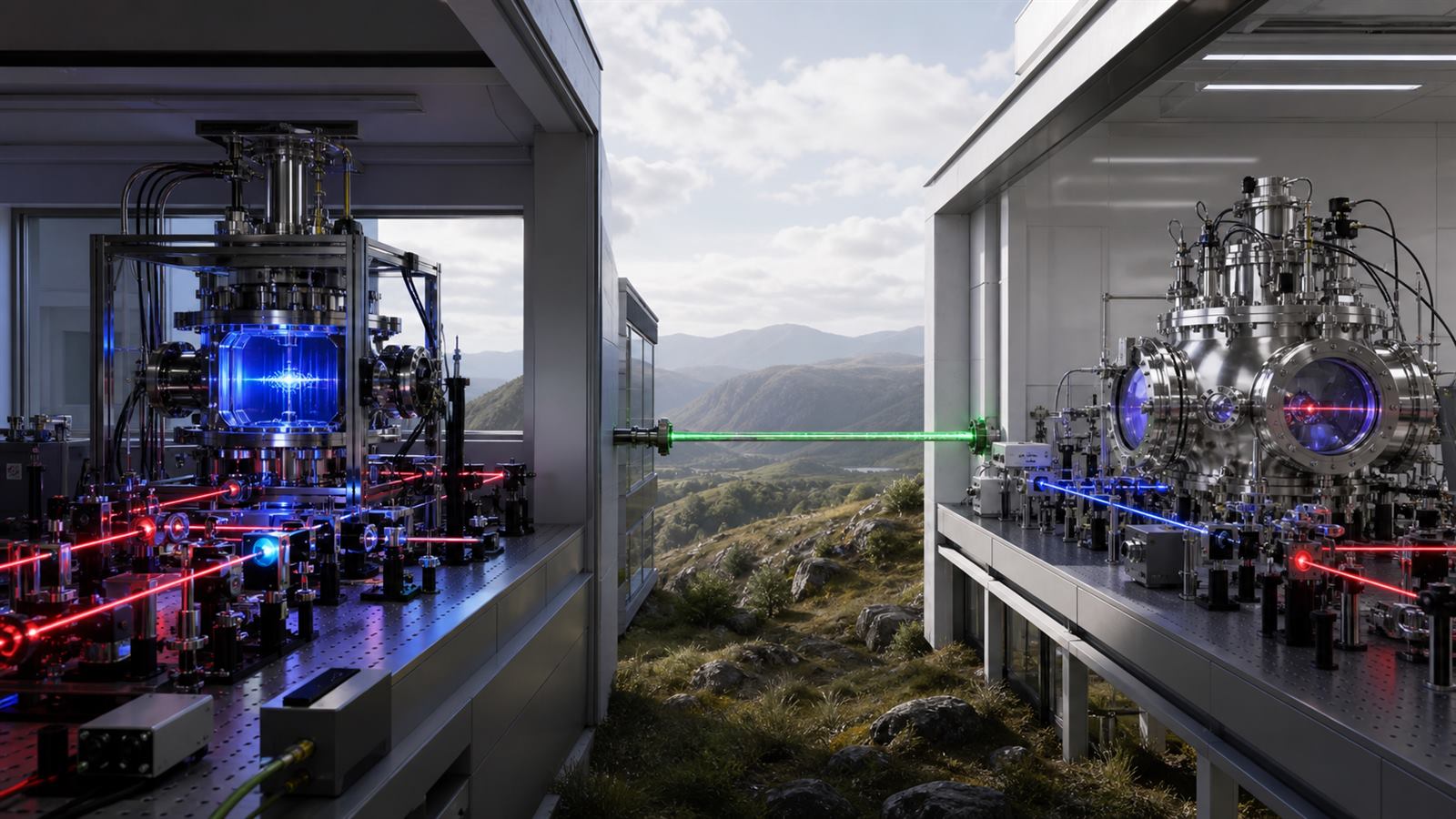
Optical clocks outperform cesium, but redefining the second requires independent comparisons, reliable time transfer, gravity corrections, sustained operation, and international agreement.

DNA can hold dense archival data, but practical storage also needs codecs, error correction, random access, durable containers, metadata, and interoperable readers.
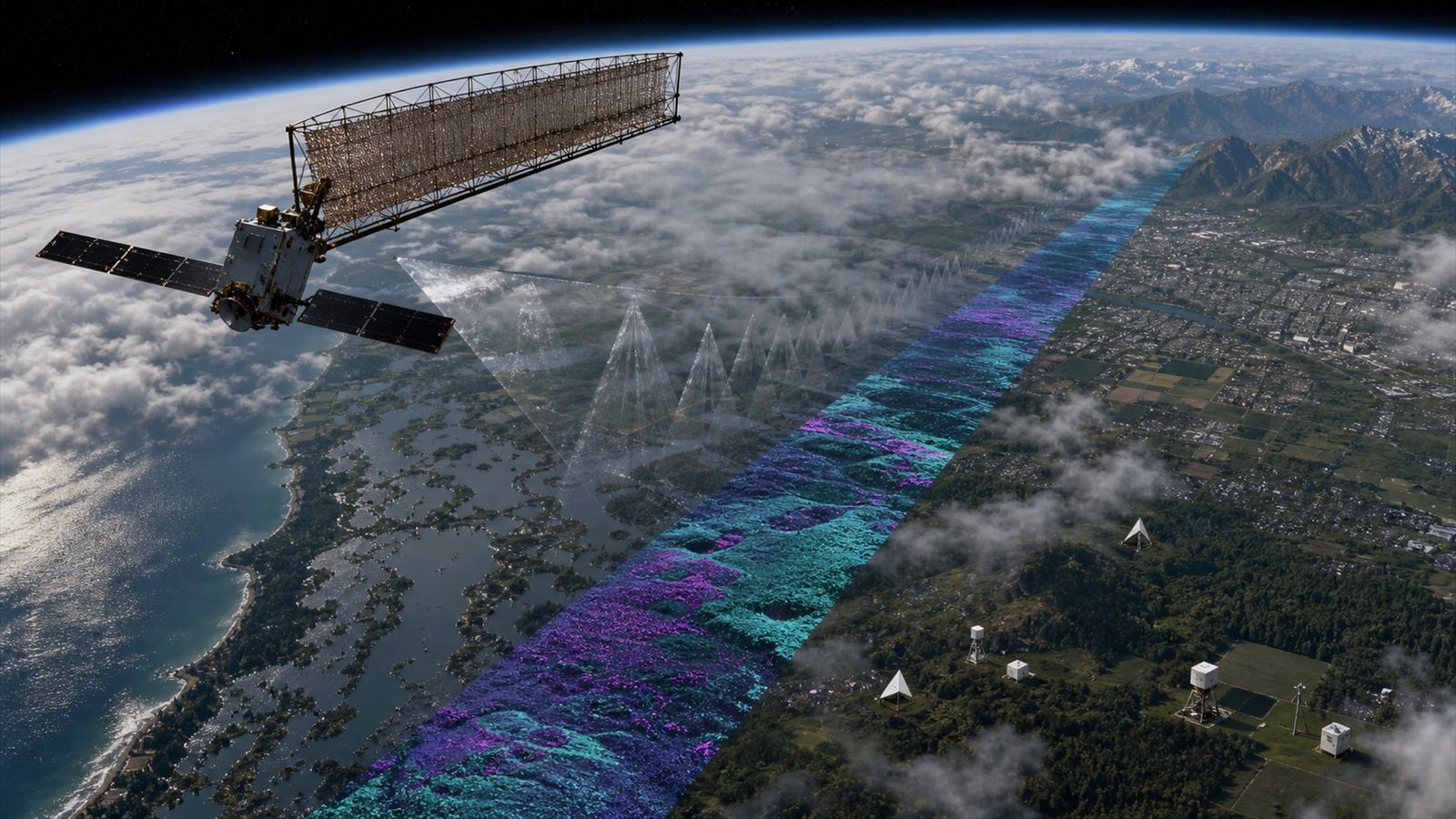
Spaceborne SAR can observe Earth through clouds and darkness, but wavelength, geometry, calibration, processing, uncertainty, and ground validation determine what its images mean.
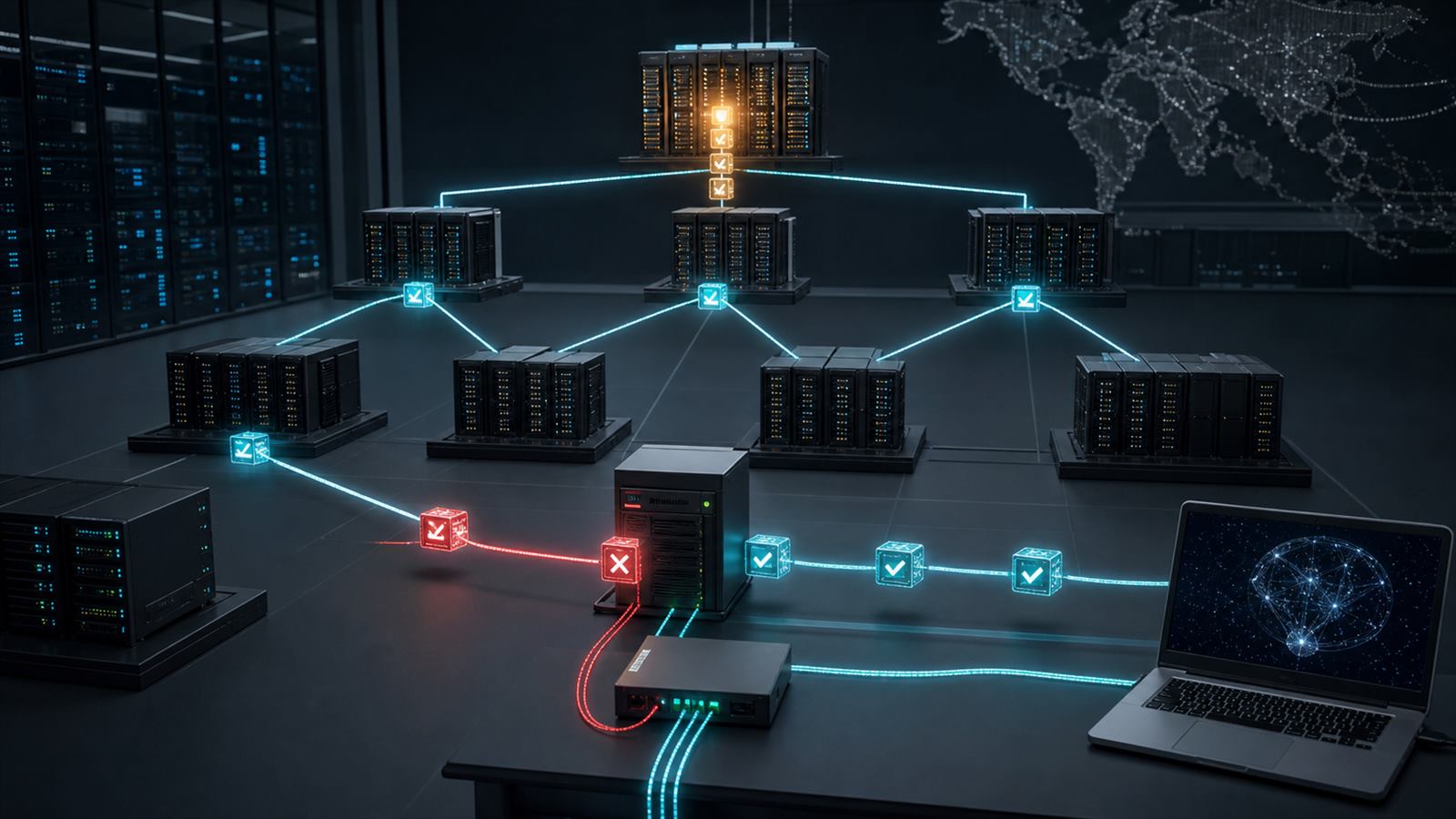
DNSSEC can detect forged or altered DNS records, but encrypted transport, TLS, routing security, careful key operations, and the 2026 root rollover remain separate concerns.
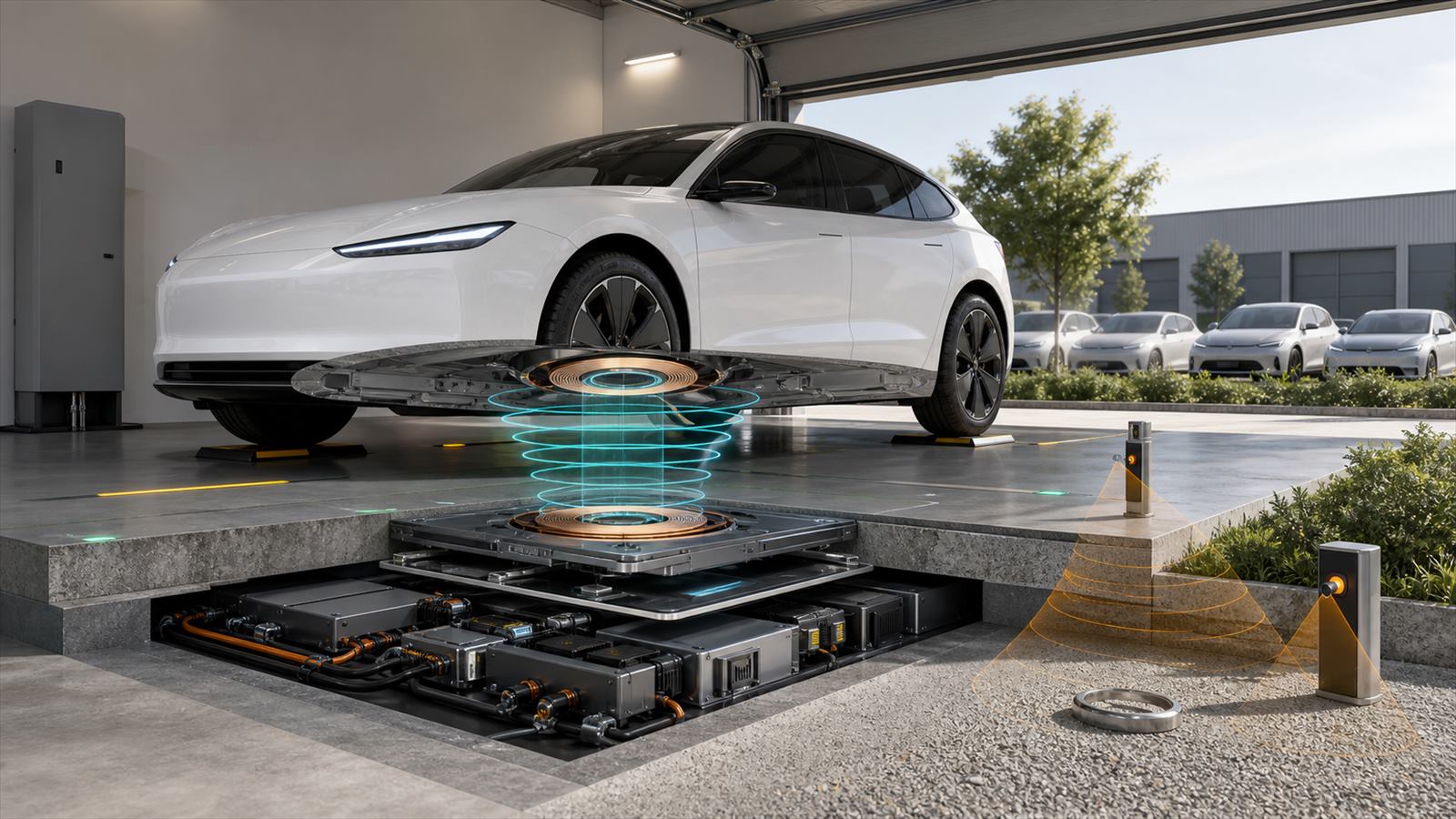
Wireless EV charging depends on coil alignment, interoperable communications, safety detection, whole-system efficiency, and installation quality, not just contact-free power transfer.

RAG can give AI models current, inspectable evidence, but retrieval quality, source governance, permissions, groundedness, and evaluation determine whether its answers deserve trust.
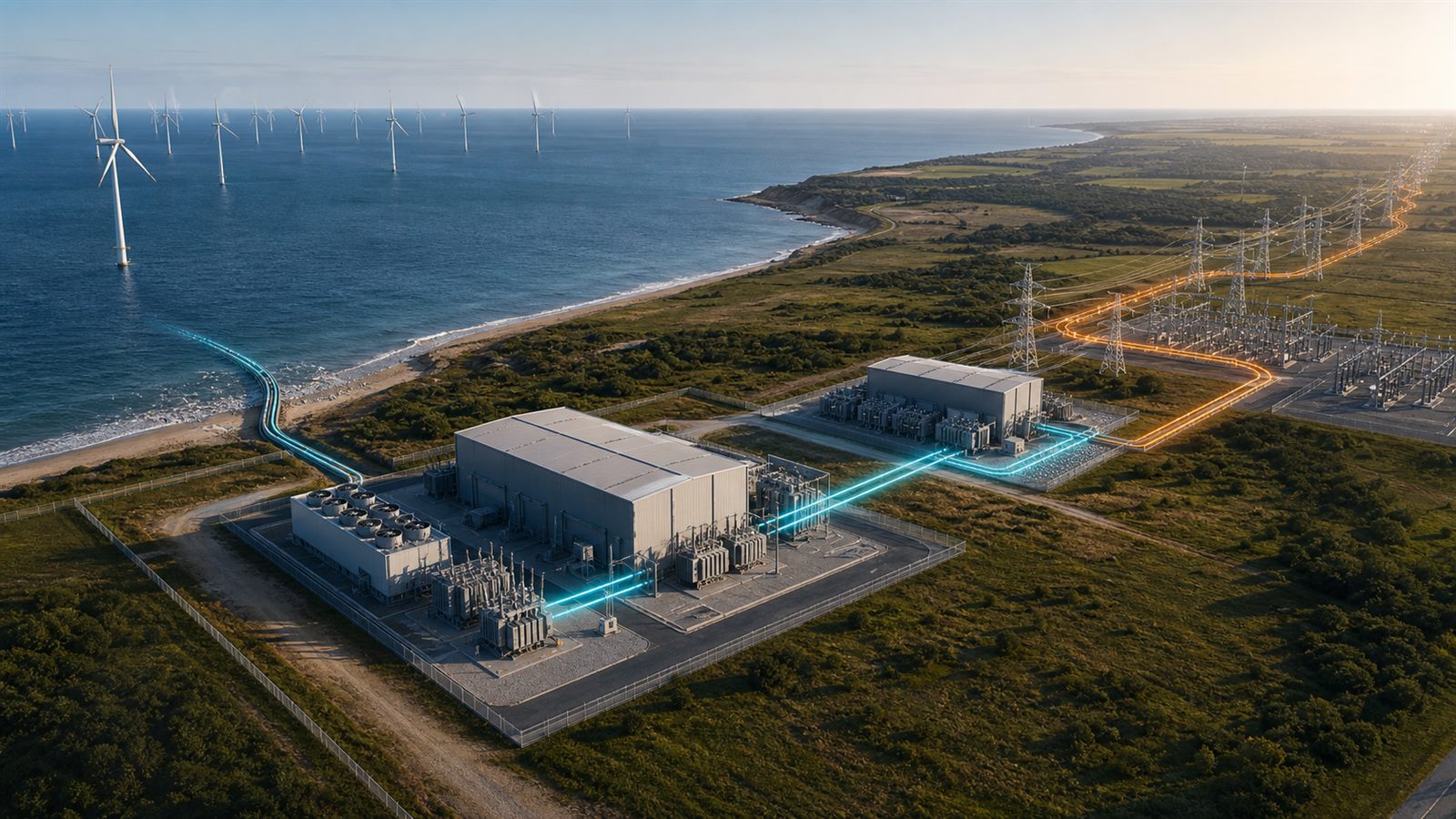
HVDC can move power efficiently through long cables and between asynchronous grids, but converter cost, DC protection, interoperability, supply chains, and planning decide whether projects work.
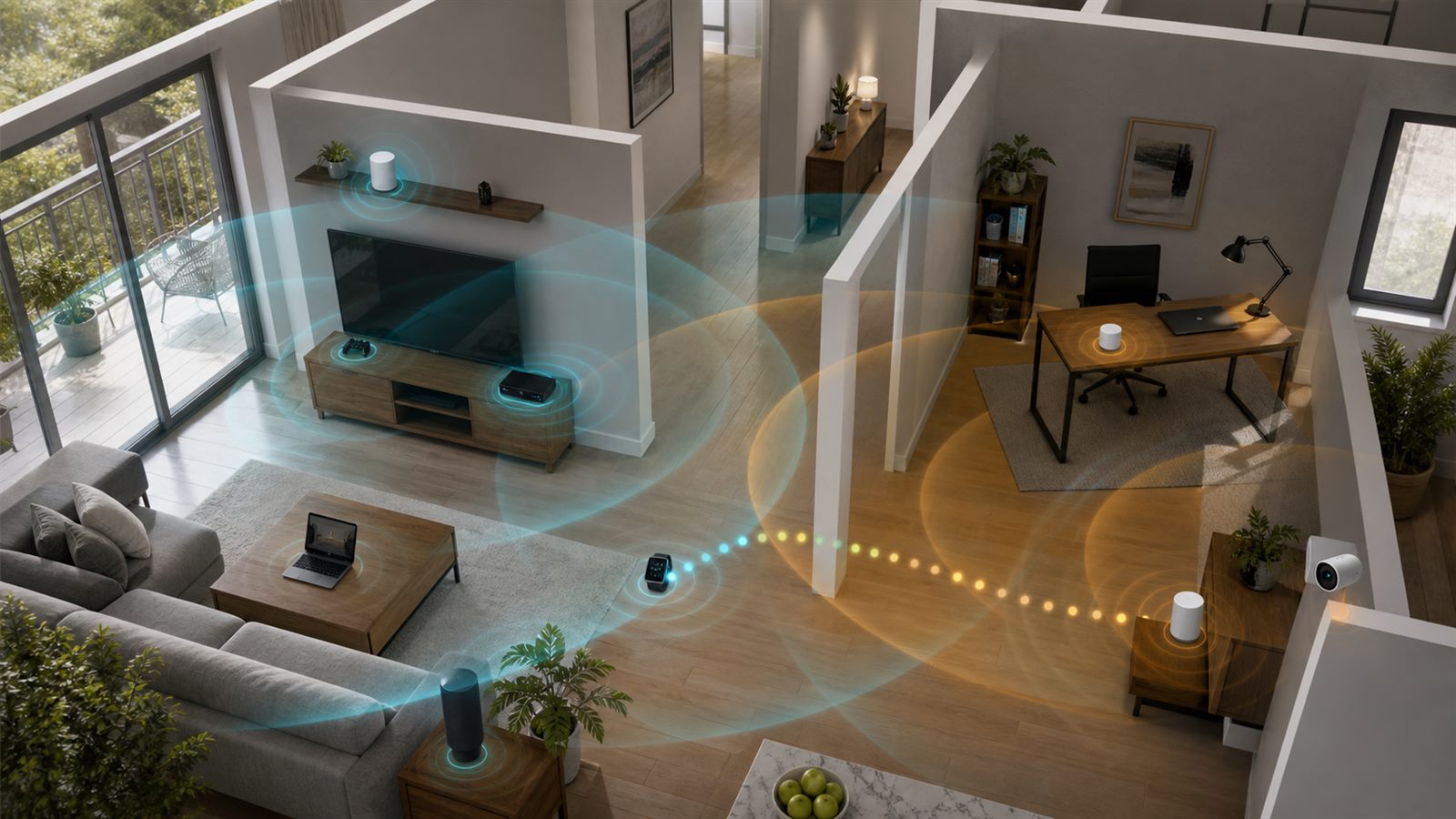
The IEEE 802.11bn project behind Wi-Fi 8 targets lower tail latency, fewer losses, better edge performance, and smoother coordination, but the standard and certification remain unfinished.